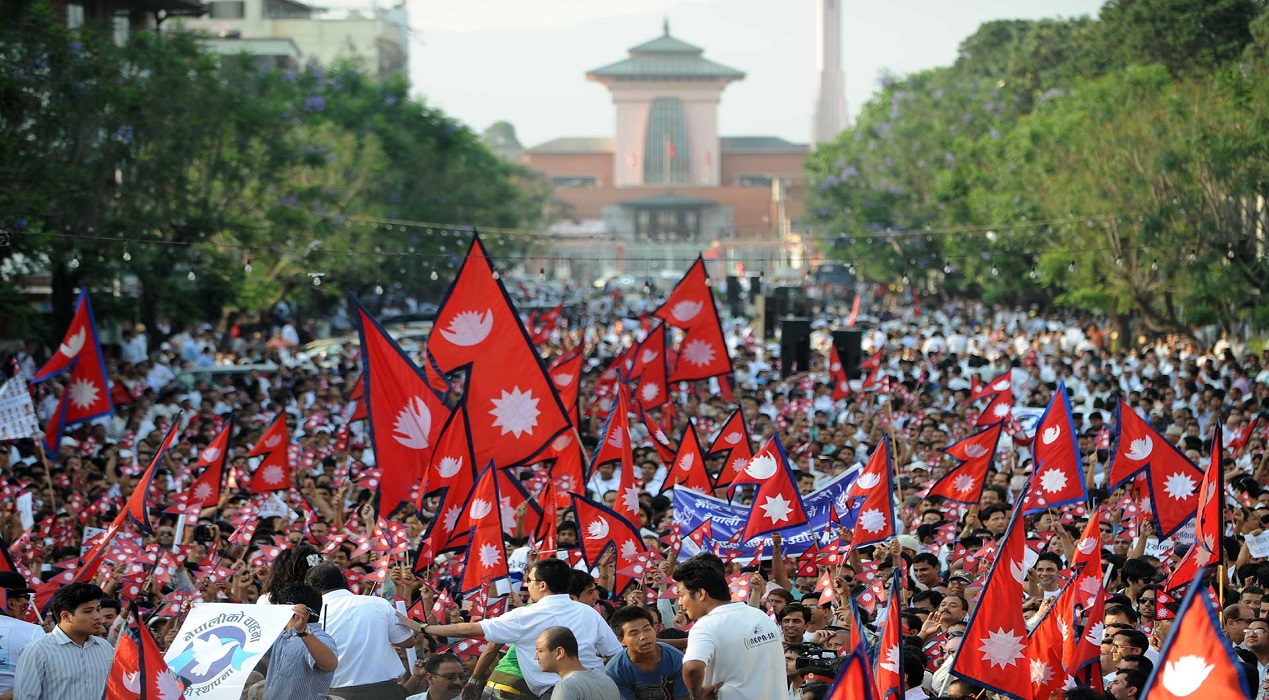





Nepal is holding historic parliamentary elections on March 5, 2026, following a youth-driven uprising that toppled the previous government in September 2025. The vote pits traditional political forces against new leaders and Gen Z-aligned figures, with millions of voters seeking accountability, reform, jobs and governance change in a defining political moment.
Election follows a massive youth-led uprising in September 2025 triggered by corruption, unemployment and a controversial social media ban.
Protests forced then-prime minister K.P. Sharma Oli to resign and led to the dissolution of parliament. An interim government under Sushila Karki was appointed to oversee stability and prepare for fresh elections.
Voter Dynamics And Stakes
-
Nearly 19 million Nepalis are registered to vote, including a surge of new, often young voters.
-
Youth aspirations for economic opportunities, anti-corruption reforms and better governance are central to electoral discourse.
-
The election is widely seen as a referendum on establishment politics versus generational change.
Key Contenders And Political Battle
-
Balendra Shah (“Balen”), a former rapper and independent mayor, has become a symbolic figure for change and leads youthful support.
-
Veteran politicians like K.P. Sharma Oli seek a comeback amid critiques over past governance and protest violence.
-
Reform-focused leaders like Gagan Thapa present alternative visions appealing to both young and moderate voters.
Challenges And Political Implications
-
Split results are expected, making coalition negotiations likely after March 5 voting concludes.
-
Translating protest energy into effective policy change remains a major question for Nepal’s political future.
-
India-China geopolitical interests and foreign policy directions could be influenced by the new government’s orientation.
Key Highlights
-
Election scheduled for 5 March 2026 after mass youth protests toppled previous government.
-
Interim government led by Sushila Karki established to guide transition.
-
Nearly 19 million voters registered; youth participation high.
-
Generational shift versus traditional political elites defines campaign narratives.
-
Prominent contenders include Balendra Shah, K.P. Sharma Oli and Gagan Thapa.
-
Results likely to require coalition and influence Nepal’s future governance and foreign policy path.
Sources: Reuters, Hindustan Times, The Washington Post, SCMP.