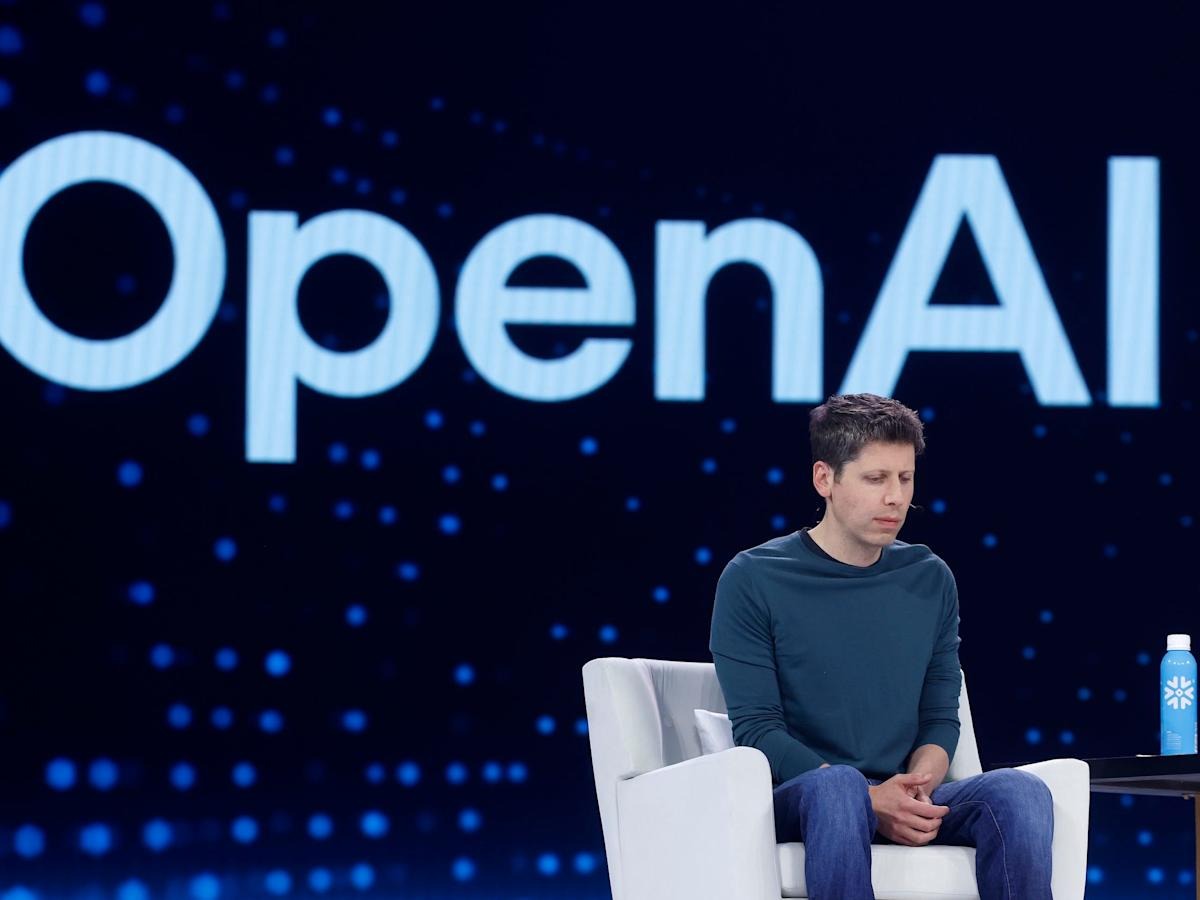



OpenAI’s VP of Product, Nick Turley, has suggested that the “unlimited” subscription model for ChatGPT may soon be phased out. Rising AI infrastructure costs and resource demands make flat-rate pricing unsustainable, with the company exploring usage-based models that align consumption with costs, similar to utilities like electricity.
Speaking on a recent podcast, Turley explained that unlimited access “just doesn’t make sense” given the immense computing power required to run advanced AI systems. The remarks signal a potential shift in OpenAI’s pricing strategy, aimed at balancing affordability with sustainability.
Why Unlimited Access Is Unsustainable
Running large language models involves significant expenses in training, scaling, and maintaining infrastructure. Heavy users consume disproportionate resources under the current flat-rate subscription, making the model financially challenging. Turley compared the situation to electricity usage, where unlimited consumption is impractical.
Exploring Usage-Based Pricing
OpenAI is considering utility-style billing, where users pay based on actual usage rather than a fixed monthly fee. This approach could make pricing more equitable, ensuring casual users pay less while heavy users contribute proportionally to resource costs.
Industry Context
The move reflects a broader trend in the AI industry. Companies like Microsoft, Google, and Anthropic are already experimenting with pay-as-you-go models. OpenAI’s CEO Sam Altman has previously hinted that intelligence should be priced like a utility, consumed as needed.
Key Insights
-
OpenAI VP says unlimited plans “just don’t make sense”
-
Rising AI costs make flat-rate subscriptions unsustainable
-
Usage-based pricing under active consideration
-
Industry peers already shifting toward utility-style billing
-
Free tiers likely to remain, but subscription overhaul expected
Future Outlook
Analysts believe OpenAI’s pricing changes could reshape consumer and enterprise access to AI. While some users may face higher costs, flexible tiers could democratize usage. The end of unlimited plans may mark the beginning of a more sustainable, utility-driven era for AI services.
Sources: Reuters, Mint, Economic Times, Firstpost