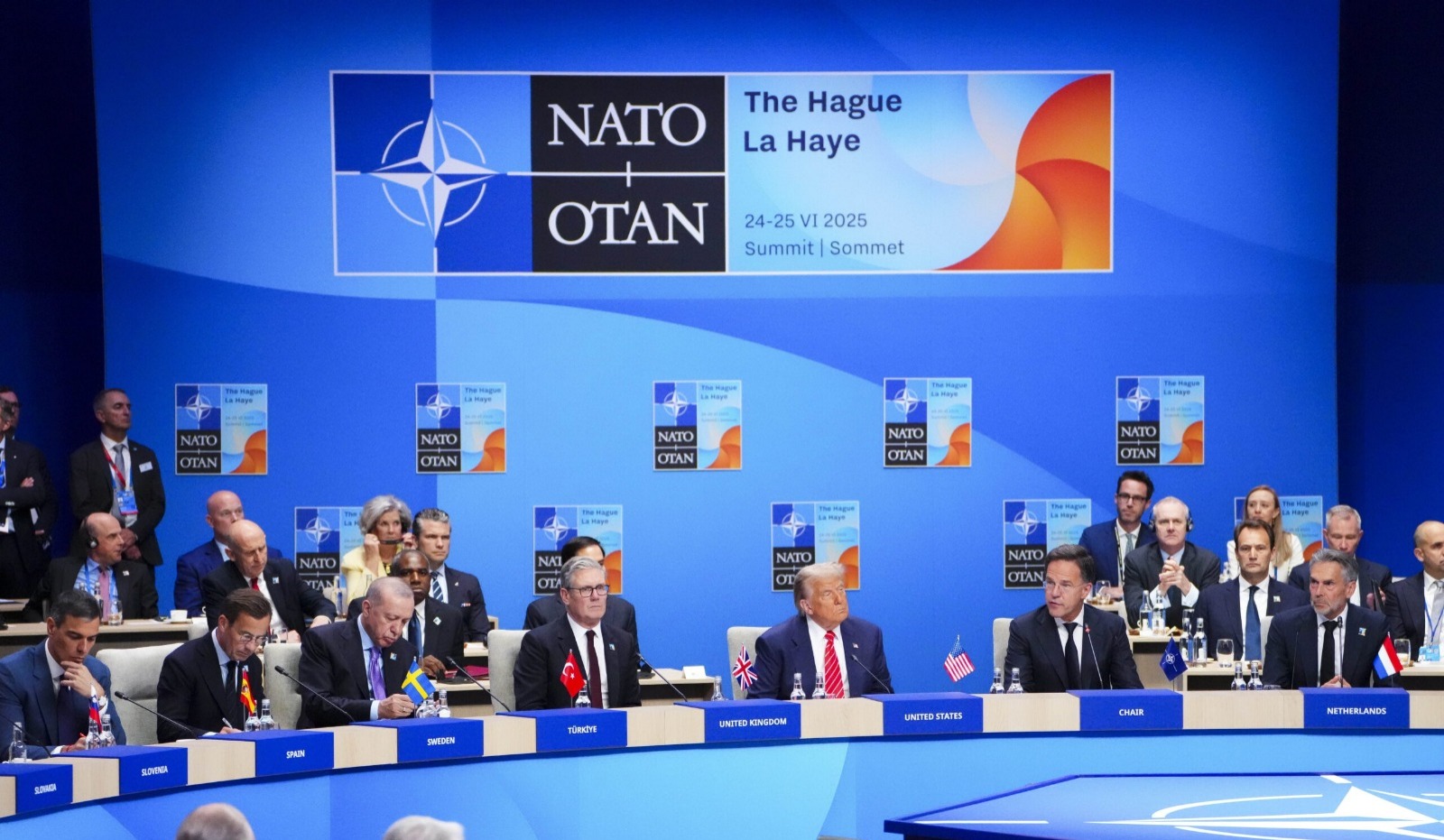






Washington has privately told European allies it wants them to assume the majority of NATO’s conventional defence burden—from troops and missiles to intelligence—by 2027. Pentagon officials warned that missing the target could see the US step back from some coordination roles, alarming European diplomats who already view the timetable as highly ambitious.
Washington’s new red line for NATO
Pentagon officials briefed European delegations in Washington that the US expects Europe to lead NATO’s conventional defence within two years, covering non-nuclear capabilities such as forces, weapons, air defence and ISR assets. Officials signalled frustration with the pace of Europe’s military build‑up since Russia’s expanded invasion of Ukraine in 2022 and linked failure to meet the 2027 goal to a possible US pullback from some alliance planning mechanisms.
The message comes as the EU itself targets 2030 to be able to defend the continent, already seen by analysts as a stretch given gaps in air defences, drones, munitions and cyber capacity. Some in Washington remain divided over how far and how fast the US should reduce its European role, adding uncertainty over whether the deadline reflects settled policy or a hard‑line Pentagon view.
Key highlights
-
US sets 2027 target for Europe to take majority of NATO’s conventional defence load, including intelligence and missile capabilities.
-
Pentagon warns of reduced US participation in certain NATO coordination mechanisms if Europe misses the deadline.
-
European diplomats call the timeline unrealistic, citing capability gaps and industrial constraints.
-
NATO acknowledges Europeans are assuming more responsibility but declines to endorse any specific 2027 deadline.
-
EU separately aims for a self-defence‑ready posture by 2030, including large investment plans and new defence initiatives.
Sources: Reuters, US News, The Financial Express (Bangladesh), NATO publications, Atlantic Council / MITRE analyses on NATO 2027 and European defence.