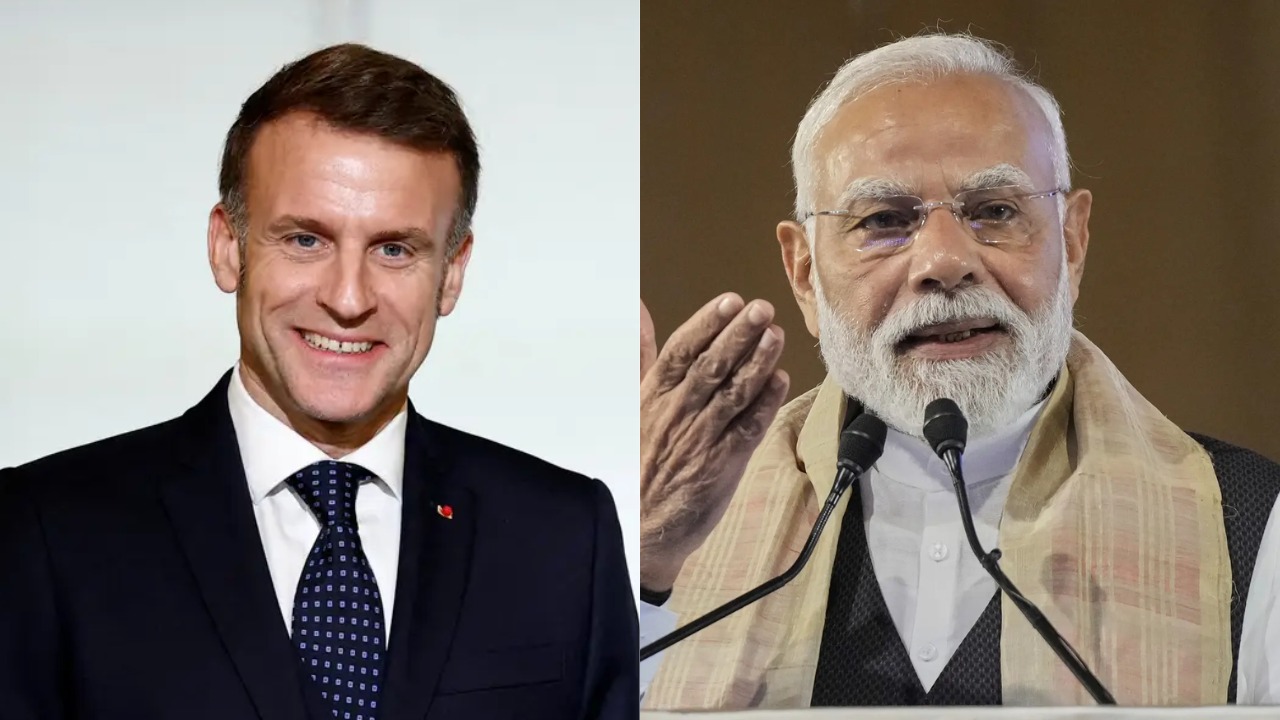






India and France have signed a Double Tax Avoidance Agreement (DTAA) to prevent individuals and businesses from being taxed twice on the same income. The treaty provides tax credits, lower rates on certain incomes, and greater clarity for investors, strengthening bilateral trade, investment flows, and economic cooperation.
Prime Minister Narendra Modi announced the signing of a landmark Double Tax Avoidance Agreement (DTAA) between India and France, aimed at eliminating double taxation and preventing fiscal evasion. The agreement ensures that income earned in one country will not be taxed again in the other, thereby creating a fair and predictable tax environment.
The DTAA is particularly significant for Non-Resident Indians (NRIs), multinational companies, and investors operating across both nations. It allows taxes paid in one country to be claimed as a credit in the other, while also offering lower withholding tax rates on dividends, royalties, and interest income.
This bilateral treaty is expected to boost trade and investment flows, enhance transparency, and reinforce the strategic economic partnership between India and France.
Key Highlights
-
Agreement Signed: India–France Double Tax Avoidance Agreement (DTAA)
-
Objective: Prevent double taxation, ensure fair tax treatment
-
Beneficiaries: NRIs, multinational companies, cross-border investors
-
Provisions: Tax credits, reduced withholding tax rates, fiscal clarity
-
Impact: Strengthens bilateral trade, investment, and economic cooperation
This agreement marks a crucial step in deepening Indo-French economic ties, aligning with India’s broader push for global tax fairness and investor confidence.
Sources: DTAA Treaty Overview (India-France), The Economic Times, NRI Taxation Guide