









Follow WOWNEWS 24x7 on:


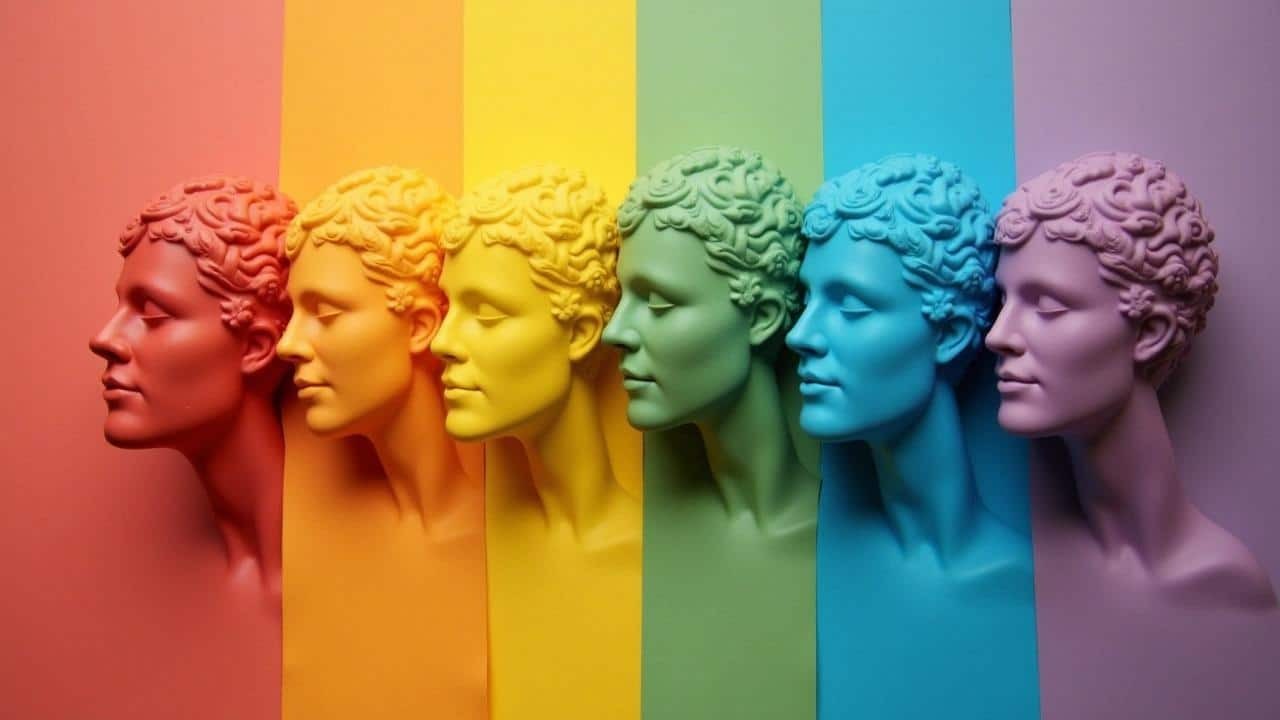
A new psychology study highlights three recurring color preferences that often emerge when individuals experience fragile self-confidence. Researchers observed that these choices deliberate and consistent act as subtle signals of inner insecurity masked by outward polish. The findings shed light on how color psychology can reveal hidden emotional states and coping strategies.
Show moreStay Ahead – Explore Now! Fan Engagement Vs Privacy: How Influencers Balance The Digital Divide



Updated: March 03, 2026 19:07

Updated: March 02, 2026 20:39

Updated: March 01, 2026 20:47











Follow WOWNEWS 24x7 on:





Copyright 2024 WOWNEWS 24x7. All rights reserved. The WOWNEWS 24x7 is not responsible for the content of external sites. Read about our approach to external linking.
Powered By Just Imagine
