



Cybersecurity experts caution that fake QR codes are emerging as a major threat to UPI users in India. Fraudsters paste counterfeit QR stickers over genuine ones at shops, petrol pumps, and public places, tricking people into transferring money directly to scam accounts. Vigilance and awareness are key to preventing losses.
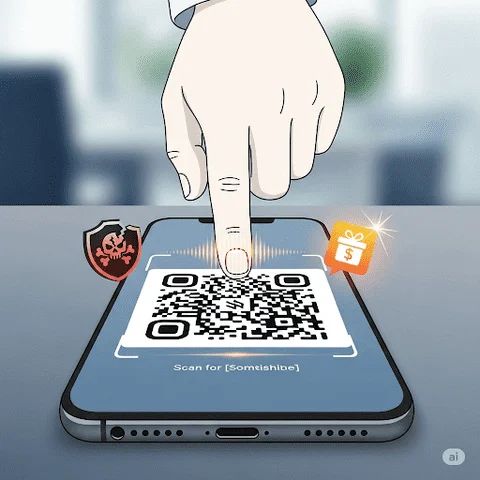
As UPI continues to dominate India’s digital payments ecosystem, a new scam is spreading fast—fake QR codes. Unlike phishing calls or suspicious links, these frauds operate in plain sight. Criminals simply paste counterfeit QR stickers over legitimate ones at shops, parking lots, ATMs, and petrol pumps, making them nearly impossible to spot at a glance.
Experts warn that unsuspecting users scanning these codes end up transferring money directly to fraudsters. With over 40,000 QR-related fraud cases reported in 2024, the trend is expected to worsen unless awareness improves.
Major Takeaways
How it works: Fraudsters overlay fake QR stickers on genuine payment codes.
Where it happens: Commonly at shops, petrol pumps, parking areas, and even electricity boards.
Scale of threat: QR scams surged by 100% since 2023, with tens of thousands of cases reported.
User risk: Victims unknowingly transfer money to scam accounts.
Expert advice: Always verify merchant details before paying, avoid scanning random codes, and report suspicious activity immediately.
Conclusion
The rise of fake QR codes highlights the dark side of India’s digital payment boom. While UPI offers unmatched convenience, users must stay alert, double-check QR codes, and rely on trusted sources to ensure safe transactions.
Sources: Shunyatax Global, LinkedIn – Poonam Singh, UPI Fraud Statistics India