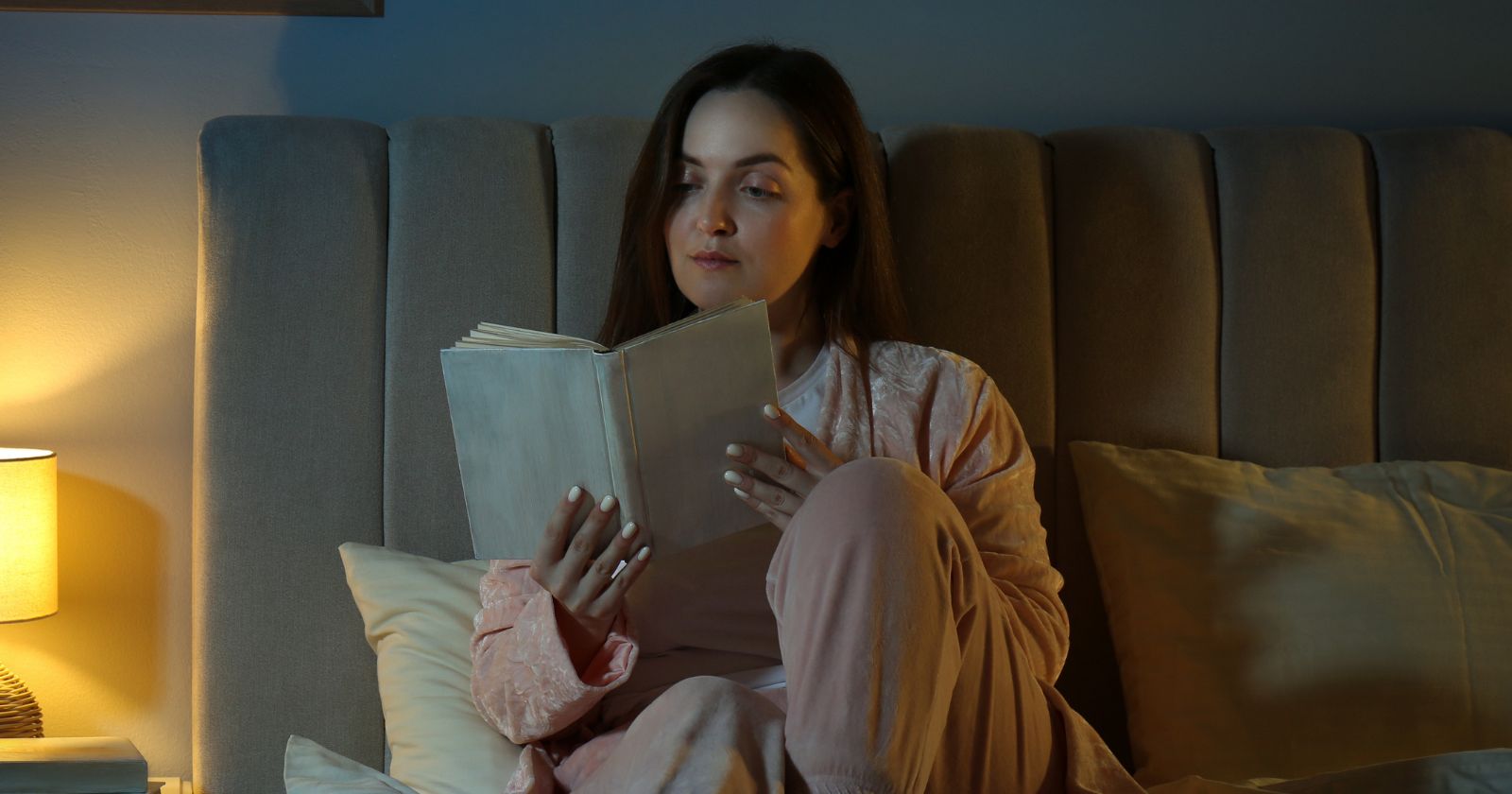

Recent psychology features highlight that people who prefer quiet evenings alone over crowded social events often display rare personality strengths—including deep focus, emotional regulation, creativity, and intrinsic motivation. Far from being antisocial, this preference reflects a healthy, restorative relationship with solitude and a strong sense of self-awareness.
A growing body of psychological reporting is challenging long‑held assumptions about introverts and solitude lovers. According to multiple analyses, individuals who choose calm nights at home instead of loud, crowded gatherings may actually possess distinct cognitive and emotional strengths.
Experts note that this preference is often misunderstood as shyness or social avoidance. In reality, it reflects a high sensitivity to overstimulation, a desire for meaningful recovery, and a deeper engagement with creativity and introspection. Many such individuals thrive in environments that allow them to think clearly, process emotions, and pursue personal passions without distraction.
Researchers also differentiate between loneliness and voluntary solitude—the latter being a powerful tool for mental clarity, emotional balance, and personal growth. These insights are reshaping how society views quiet personalities and the value of intentional alone time.
Key Highlights / Major Takeaways
Preference for solitude linked to rare personality strengths
Traits include deep focus, creativity, emotional regulation, and intrinsic motivation
Choosing quiet evenings is not antisocial, but restorative
Psychology distinguishes voluntary solitude from loneliness
Growing recognition of the mental health benefits of low‑stimulation environments
Sources: Silicon Canals, VegOut, Metabolic