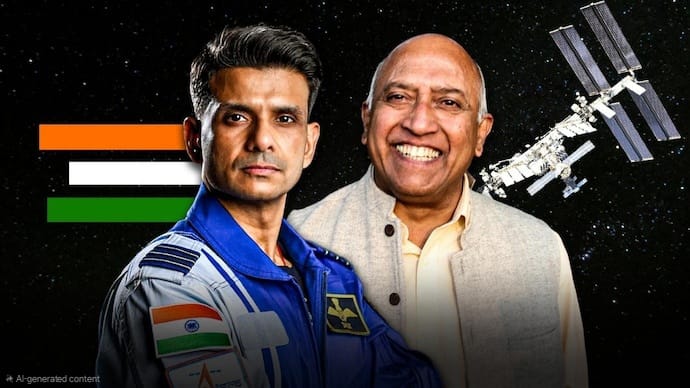







India’s astronaut pioneers Rakesh Sharma and Shubhanshu Shukla have outlined a new pathway for aspiring space travelers, moving beyond traditional military aviation backgrounds. They stressed the importance of multidisciplinary expertise, including science, engineering, and sustainability, to prepare India’s next generation for ambitious missions under ISRO’s evolving space program.
At India Climate Week, Wing Commander (Retd) Rakesh Sharma, who made history in 1984 as India’s first astronaut, joined Group Captain Shubhanshu Shukla, the country’s upcoming astronaut under the Gaganyaan program, to share insights on the future of astronaut training and selection. Their joint appearance highlighted how India’s space ambitions are shifting toward inclusivity and innovation.
The roadmap they presented reflects India’s growing role in global space exploration, where diverse skill sets will be critical to tackling challenges of sustainability, technology, and human resilience in space.
Key Highlights
-
Aspiring astronauts no longer restricted to fighter pilots; scientists, engineers, and sustainability experts will play vital roles.
-
India’s Gaganyaan program marks a new era of indigenous astronaut training and crew safety technologies.
-
Shubhanshu Shukla’s upcoming mission represents the first Indian astronaut flight in 41 years, bridging the legacy of Rakesh Sharma’s 1984 mission.
-
The duo emphasized climate responsibility, linking space exploration with sustainability goals for Earth.
-
Public appearances at India Climate Week and Mumbai Climate Week showcased their vision for inspiring youth and integrating space with broader societal priorities.
Sources: India Today, Times of India, News18, The Hindu