
Image Source: WOWNEWS24X7
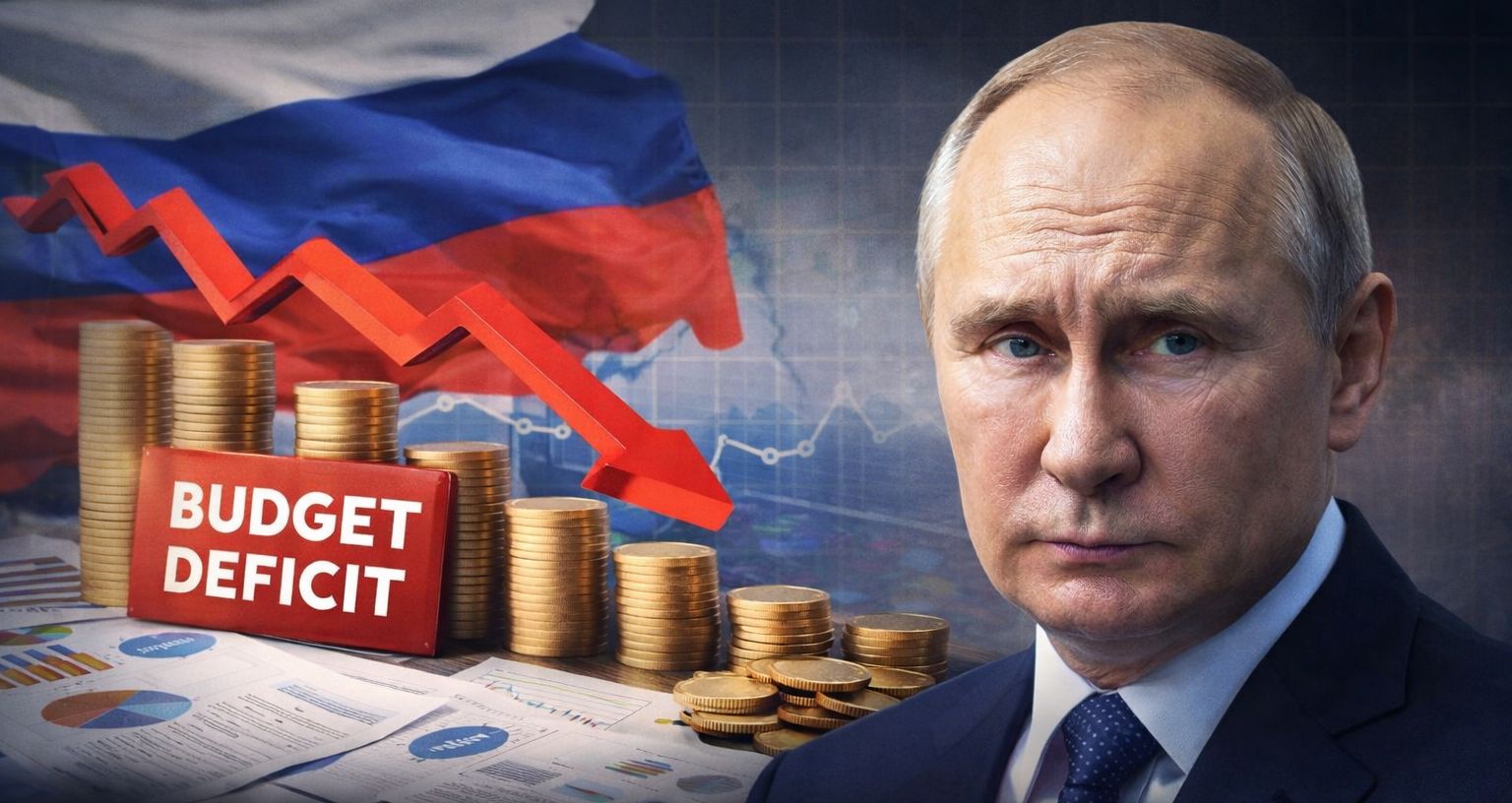
Russia’s fiscal deficit for 2026 may reach 3.5%–4.4% of GDP, far exceeding the official target of 1.6%, according to internal government-linked estimates. Falling energy revenues, reduced oil purchases from India, and higher state spending are driving the gap, raising concerns about Moscow’s financial stability and long-term economic outlook.
Show more
Russia’s budgetary outlook for 2026 is under strain as internal estimates suggest the deficit could balloon to 3.5%–4.4% of GDP, nearly triple the official target of 1.6%. The widening gap reflects a combination of declining revenues and increased government expenditure, underscoring the challenges facing Moscow’s fiscal planning.
Notable Updates
-
Revenue decline: Lower oil revenues due to discounted crude exports and reduced demand from India.
-
Spending pressures: Higher-than-expected government spending, particularly on defense and social programs.
-
Deficit risk: Internal projections show a shortfall significantly above official forecasts.
-
Market impact: The widening deficit could weaken investor confidence and put pressure on the ruble.
-
Policy response: Authorities may need to tap fiscal reserves or raise taxes to bridge the gap.
Major Takeaways
-
Russia’s fiscal health is increasingly vulnerable to external energy market dynamics.
-
The projected deficit highlights the strain of sanctions and shifting trade flows.
-
Long-term stability may depend on diversifying revenue sources beyond oil and gas.
Sources: Reuters, Global Banking & Finance Review
Stay Ahead – Explore Now!
India-US Trade Deal Boosts Market Sentiment, Calms FPI Concerns

Advertisement
Advertisement