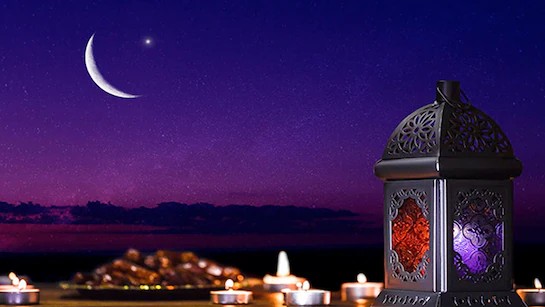




Saudi Arabia's Supreme Court has confirmed the Ramadan 1447 AH crescent moon sighting on February 17 evening, marking the start of the holy month. Muslims worldwide prepare for fasting from dawn to sunset beginning Wednesday, February 18, with Taraweeh prayers commencing that night. This lunar event unites over 1.8 billion faithful in spiritual renewal amid global anticipation.
Moon Sighting Details
Saudi authorities urged citizens to scan western skies post-Maghrib on Tuesday, February 17, 2026, for the faint hilal. Reports from local courts and committees verified visibility despite challenges like proximity to the sun and potential cloud cover. Confirmation ensures Sha'ban concludes at 29 days, aligning Ramadan precisely with Islamic lunar traditions.
Key Highlights
-
Crescent confirmed after sunset observations across Kingdom
-
First fasting day: Wednesday, February 18, from Fajr suhoor to Maghrib iftar
-
Taraweeh nightly prayers begin February 18 evening in mosques
-
Astronomical data predicted slim visibility window on February 17
Global Observance Variations
While Saudi Arabia leads, regions like UAE, Oman, and Gulf states often follow its announcement due to shared visibility. India's Ruet-e-Hilal committee meets February 18 post-sunset, potentially starting Roza February 19 if no sighting. Asia-Pacific areas anticipate February 19 start as moon sets early relative to sun.
Regional Timings
-
Saudi Arabia, UAE: February 18 first Roza
-
India, Pakistan: Likely February 19 pending local confirmation
-
Turkey, Europe: Follows February 18 or 19 based on committees
-
Dubai forecasts 29-day Ramadan pending final hilal checks
Ramadan 2026 Significance
This ninth Islamic month emphasizes Quran reflection, charity, and self-discipline as a core pillar of faith. Families stock dates, iftar specials, and prayer mats amid economic boosts in halal markets. Digital apps track timings, enhancing accessibility for diaspora communities.
Sources: Times of India, News24online, Al Jazeera, Gulf News.