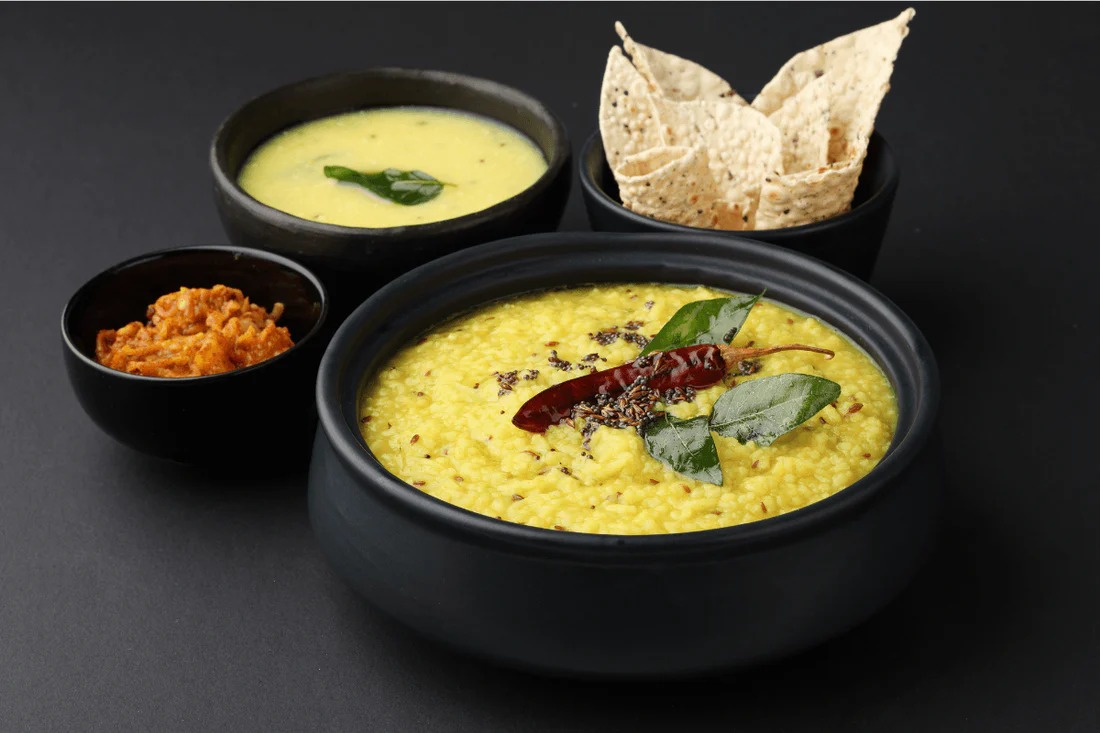






Several traditional Indian dishes, once associated with frugality and survival, have now been elevated to gourmet status. From khichdi to litti chokha, these meals born out of necessity are celebrated in luxury restaurants today, reflecting nostalgia, wellness trends, and regional pride that have transformed humble recipes into premium dining experiences.
Food history often mirrors social change, and India’s culinary journey is a testament to resilience and reinvention. Dishes that were once staples for farmers, labourers, and modest households are now celebrated on curated menus and fine-dining tables. Chefs and food enthusiasts are reinterpreting these recipes with modern techniques, premium ingredients, and artistic presentation, turning survival food into cultural icons.
Khichdi, once seen as “sick food,” is now marketed as a superfood rich in nutrition. Litti chokha, a rustic dish from Bihar, has found its way into urban cafés with refined plating. Bajra roti, ragi mudde, and jowar bhakri-once staples of rural diets-are now embraced by wellness-conscious diners for their health benefits. Similarly, dishes like poha, dal baati churma, and sattu-based preparations have transitioned from humble kitchens to premium menus, celebrated for their heritage and wholesomeness.
This transformation reflects India’s growing culinary storytelling culture, where nostalgia, wellness, and regional pride converge to redefine food value. What was once necessity is now luxury, and what was once survival is now celebrated as heritage.
Key Highlights
-
Khichdi rebranded as a nutritious superfood
-
Litti chokha elevated from rustic fare to gourmet delicacy
-
Millet-based dishes like bajra roti and ragi mudde embraced for wellness
-
Poha and dal baati churma celebrated in premium dining
-
Sattu preparations reinterpreted for urban menus
-
Transformation driven by nostalgia, wellness trends, and regional pride
Sources: ETimes, Ramrajya News, Pune Pulse