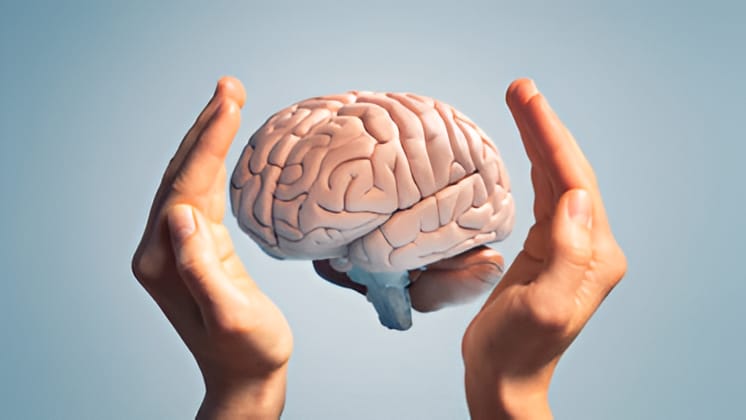








Neurologists emphasize that the brain, much like muscles, thrives on regular exercise. From learning new skills to engaging in deep reading and meaningful conversations, mental workouts can strengthen memory, sharpen focus, and build resilience. Experts highlight structured approaches that sustain motivation and create lasting cognitive benefits for 2026 and beyond.
We often associate workouts with physical fitness, but neurologists are increasingly stressing that the brain requires its own training regimen. Just as muscles weaken without use, cognitive abilities can stagnate without stimulation. Recent expert insights underline that consistent mental challenges help build new neural connections, enhancing memory, creativity, and problem-solving.
Key Highlights
-
Learning new skills such as languages or musical instruments stimulates fresh neural pathways, keeping the brain agile.
-
Deep reading and meaningful conversations foster critical thinking and emotional intelligence, strengthening long-term memory.
-
Structured 90-day brain health programs are shown to create measurable improvements in focus, motivation, and resilience.
-
Variety is essential: repeating the same mental tasks without progression limits growth, much like lifting the same weight repeatedly.
-
Lifestyle factors such as balanced nutrition, adequate sleep, and stress management complement cognitive workouts, ensuring holistic brain health.
-
Neurologists caution against relying solely on puzzles or games; while helpful, they must be part of a broader, evolving routine.
Conclusion
The message is clear: training your brain is not optional but essential. By embracing diverse, progressive mental exercises and pairing them with healthy lifestyle choices, individuals can unlock sharper thinking and stronger memory. In 2026, neurologists urge us to treat brain workouts with the same seriousness as physical fitness.
Sources: Times of India, Hope Brain & Body Recovery Center, The Conversation