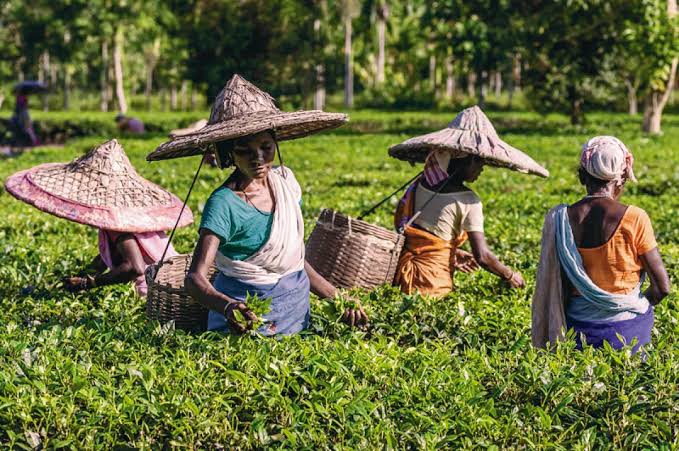








India's tea industry, the world's second-largest producer, grapples with escalating input costs, stagnant prices, severe labor shortages, and climate risks, pushing planters toward financial distress. Leaders from the Tea Association of India demand swift policy interventions like subsidies, loan relief, and agricultural scheme access to ensure sustainability and quality production.
India's tea estates face unprecedented strain as production costs skyrocket while prices remain flat, forcing many to sell below cost and rely on heavy borrowings. Wages comprise nearly 60 percent of expenses, amplified by sharp rises in fertilizers, coal, pesticides, electricity (Rs 10-11 per kg of tea), and frequent wage hikes. Industry voices highlight a persistent gap between cost inflation and revenue growth, threatening the livelihoods of over one million direct workers.
Labor shortages exacerbate the crisis, with absenteeism hitting 25-50 percent during peak seasons, compelling estates to hire costlier external workers. Erratic rainfall, higher temperatures, and pest attacks further erode yields and quality, compounding challenges from prior years' production shortfalls.
Key Policy Demands
-
Expedited Tea Board subsidies and interest subvention on working capital loans
-
Financial incentives for specialty tea production and machinery modernization
-
Access to Ministry of Agriculture and Farmers Welfare schemes, recognizing tea as agricultural activity
-
Lower power tariffs and faster rollout of West Bengal's solar energy provisions
-
Stricter controls on cheap imports and mislabeled blended teas to safeguard domestic markets and exports
Stakeholders like Uttam Chakraborty, Chairman of the Tea Association of India's North Bengal branch, stress that high-quality tea at remunerative prices is vital for survival. Shailja Mehta, the association president, echoes calls for structural reforms amid ongoing climate variability.
This crisis underscores the need for real-time policy action to bolster India's tea economy, a cornerstone of rural employment and exports.
Sources: DTNext, The Hindu BusinessLine, Economic Times