




Science in India today is not just about discovery but a critical pillar of national sovereignty. From AI and biotechnology to defense and climate research, scientific innovation is shaping economic resilience, security, and global positioning. National Science Day 2026 highlighted this shift, underscoring research as a strategic imperative.
India’s scientific journey has evolved from pure discovery to a sovereignty-driven mission, where innovation is central to national security, economic independence, and global competitiveness. At the India-AI Summit 2026, leaders emphasized that science and technology are no longer optional pursuits but essential tools for safeguarding sovereignty and shaping the future.
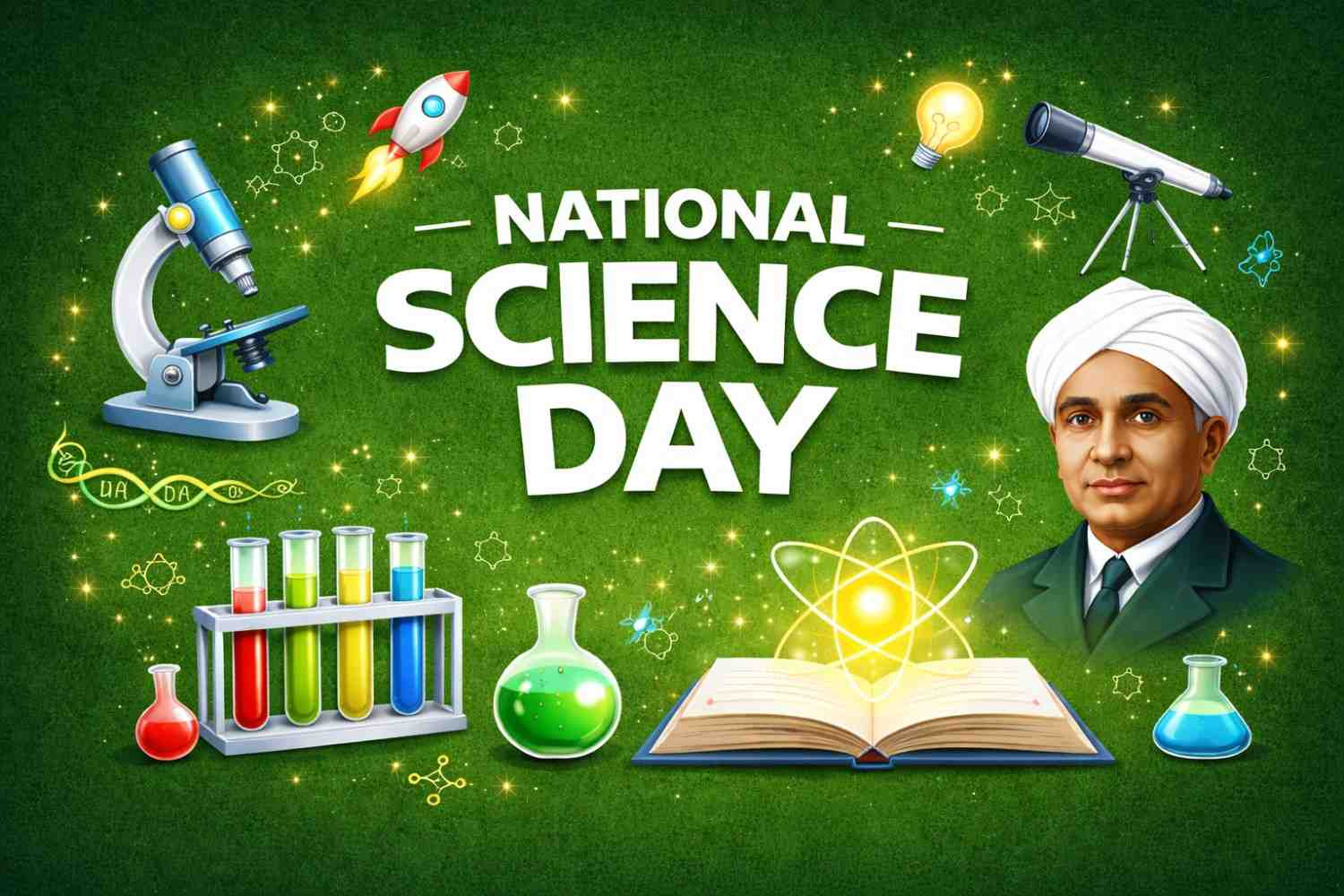
National Science Day 2026 further reinforced this narrative, showcasing India’s push toward inquiry-based education, early research exposure, and industry-linked innovation. Initiatives under the National Education Policy (NEP 2020) and the National Research Foundation (NRF) are building a research-ready workforce, while AI, biotech, and defense technologies are being positioned as sovereignty imperatives.
Key Highlights
-
India-AI Summit 2026 stressed science as a sovereignty imperative, focusing on AI, skill development, and global cooperation
-
National Science Day 2026 highlighted reforms in education and research ecosystems under NEP 2020 and NRF
-
Scientific innovation now tied directly to defense, climate resilience, and economic independence
-
India’s global positioning increasingly shaped by technological leadership and innovation capacity
Shaping India’s Future
Analysts note that India’s emphasis on science as sovereignty reflects a broader global trend where nations view technological dominance as a strategic asset. By investing in AI, biotech, defense systems, and sustainable energy, India is building resilience against external shocks while positioning itself as a leader in the new world order.
Sources: ABP News, Mint, Ministry of External Affairs, ET Education, ACS Publications