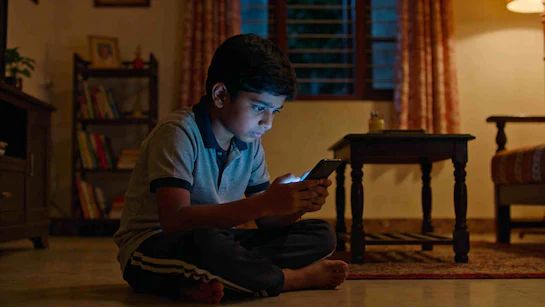








Following Australia’s landmark ban on social media for children under 16, Indian experts are weighing its feasibility here. While concerns about cyberbullying, addiction, and unsafe content are real, challenges around enforcement, digital literacy, and parental responsibility make a blanket ban difficult. Experts suggest regulation, awareness, and bottom-up solutions as alternatives.
Australia’s recent move to ban children under 16 from accessing major social media platforms has sparked debate in India. The law, which mandates strict age verification tools and imposes heavy penalties on violators, aims to curb risks like cyberbullying, predatory behavior, and mental health issues.
In India, however, experts caution that such a ban may be impractical to enforce given the country’s vast user base and limited digital monitoring infrastructure. With 76% of Indian children aged 14–16 already using smartphones and social media, experts argue that regulation and education may be more effective than outright prohibition.
Major Takeaways
Global Context: Australia’s ban is the world’s first, with other nations considering similar steps.
Indian Reality: Enforcement challenges due to scale, digital literacy gaps, and parental oversight.
Expert Opinion: Psychologists and educators advocate awareness campaigns, parental controls, and digital literacy programs over bans.
Risks Addressed: Concerns include cyberbullying, unsafe content exposure, and excessive screen time.
Alternative Approach: Bottom-up solutions involving parents, schools, and tech platforms seen as more sustainable.
Conclusion
While India shares concerns about children’s online safety, experts believe a social media ban under 16 may not be workable. Instead, strengthening digital literacy, parental involvement, and platform accountability could provide a balanced path to protect young users without stifling access.
Sources: NDTV, Lawyers Club India, Times of India, Tribune India