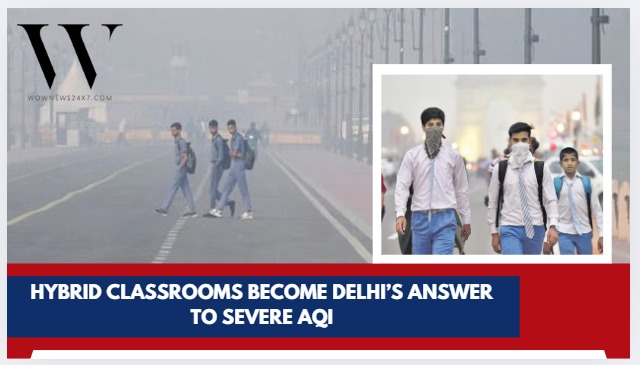



Delhi schools have been ordered to adopt hybrid learning for Classes 1–9 and 11, while Classes 10 and 12 continue offline amid board exam preparations. The directive follows AQI levels crossing 431 (‘severe’). Authorities aim to protect children’s health, while parents face challenges of digital access and learning continuity.
In response to worsening air quality, the Delhi Directorate of Education (DDE) has ordered schools to adopt hybrid learning for all classes except 10th and 12th, effective immediately. The directive follows the Commission for Air Quality Management (CAQM) invoking Stage IV of the Graded Response Action Plan (GRAP) after the city’s AQI crossed into the ‘severe’ category.
Key Highlights
Hybrid Classes Mandated: Students from Classes 1 to 9 and Class 11 will attend school in a hybrid format, combining physical and online learning. The option to choose online rests with parents and guardians.
Exemptions: Classes 10 and 12 will continue with physical classes due to upcoming board examinations, ensuring minimal disruption to critical academic schedules.
AQI Levels: Delhi recorded a 24-hour average AQI of 431, among the worst this year, with several areas crossing the ‘Severe Plus’ threshold of 450.
Government Measures: Alongside schools, the Delhi government has directed offices to adopt work-from-home wherever possible, while essential services like hospitals, fire services, and public transport remain exempt.
Health Concerns: Authorities stressed that the move is aimed at protecting children from prolonged exposure to toxic air, which poses risks of respiratory illness, eye irritation, and long-term health complications.
Communication: Schools have been instructed to inform families immediately and ensure smooth transition to online platforms wherever feasible.
Broader Context
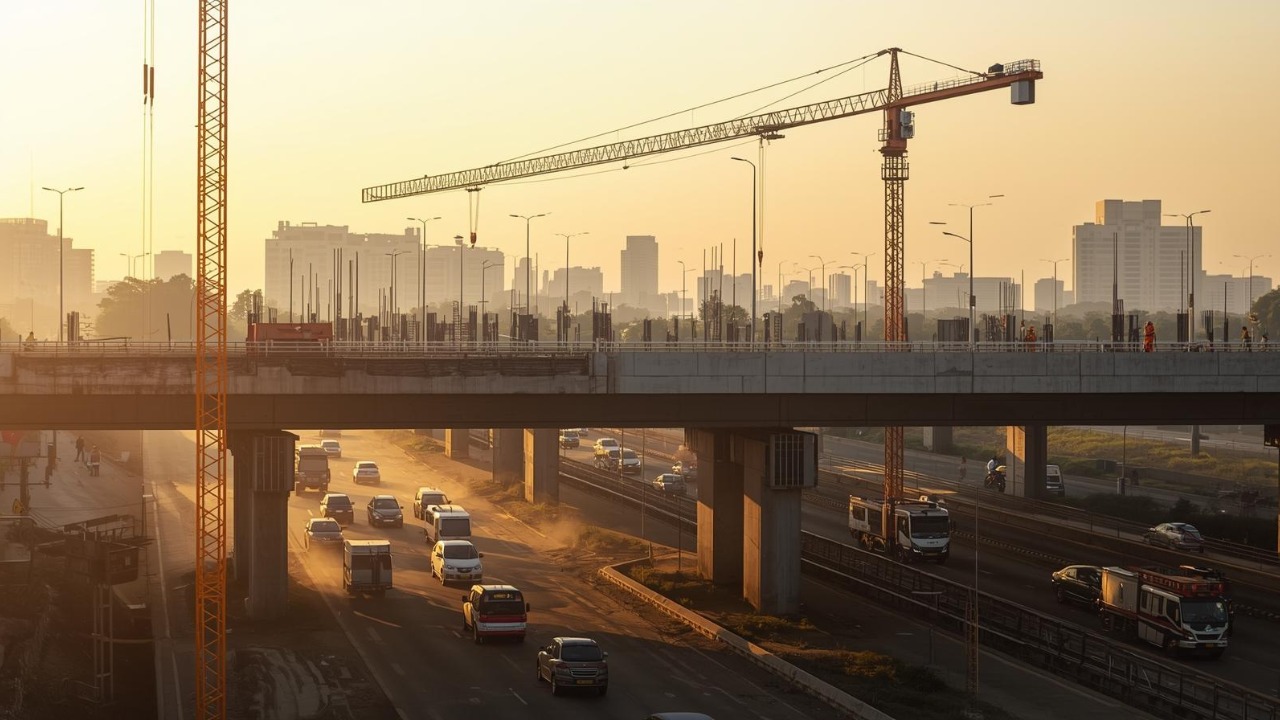
Delhi’s air pollution crisis has worsened in recent weeks due to stubble burning, vehicular emissions, and weather conditions trapping pollutants. The invocation of GRAP Stage IV represents the strictest set of measures, including bans on construction activities, restrictions on truck entry, and curbs on industrial operations.
Education experts note that while hybrid learning ensures continuity, it also highlights digital divide challenges, as not all students have equal access to devices or stable internet. Parents have welcomed the flexibility but expressed concerns about learning gaps if the situation persists.
Risks & Opportunities
Risks: Prolonged hybrid learning may widen inequalities, strain teachers, and reduce classroom engagement.
Opportunities: The crisis underscores the need for long-term solutions, including cleaner energy, stricter emission controls, and investment in digital infrastructure to support hybrid education.
Delhi’s hybrid schooling order reflects the city’s urgent balancing act—safeguarding health while ensuring education continuity amid one of the worst pollution spells of the year.
Sources: Financial Express, India TV News, ANI News