








Follow WOWNEWS 24x7 on:


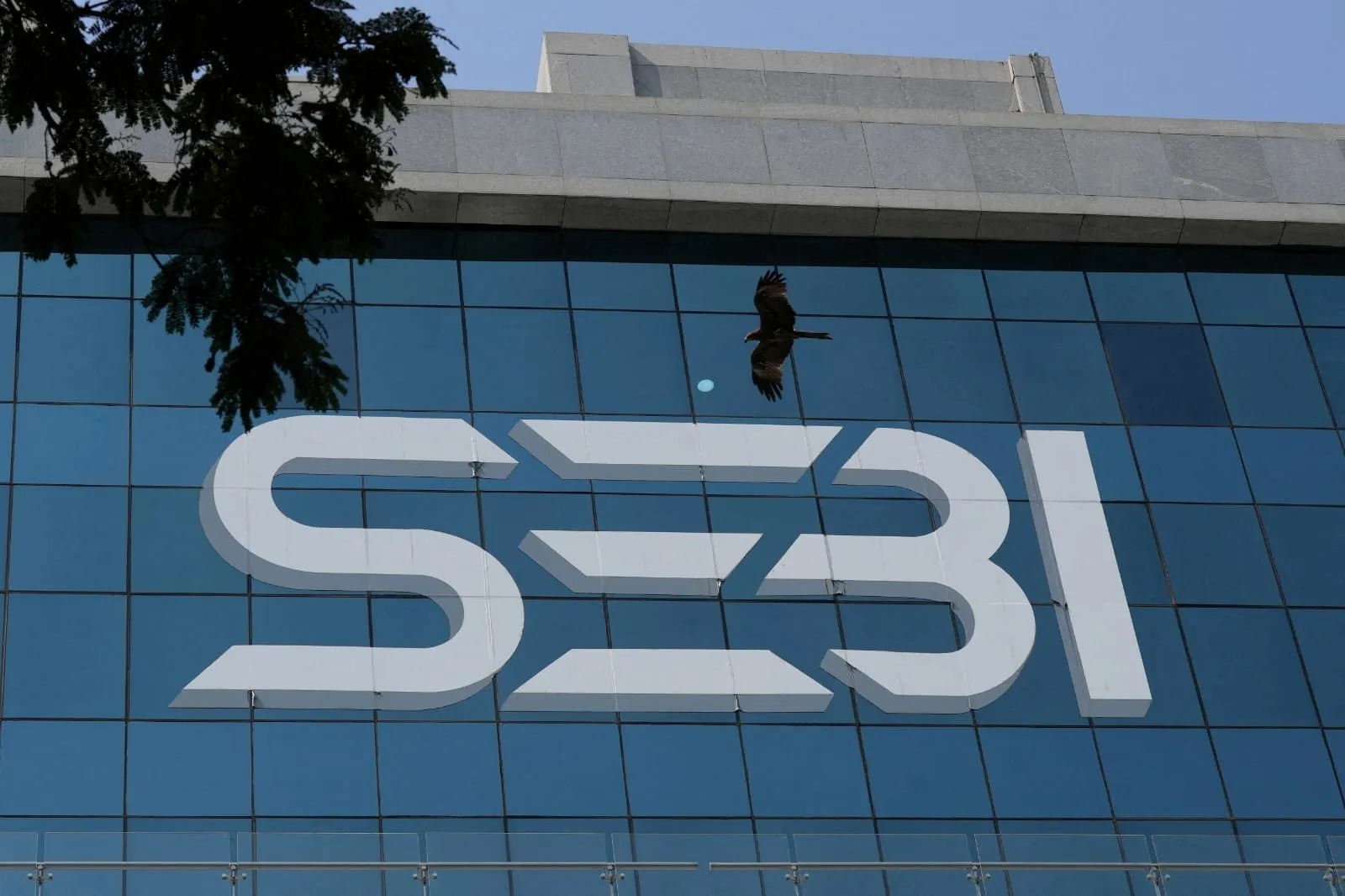
India’s markets regulator, SEBI, has released a new circular revisiting the categorization and rationalization of mutual fund schemes. The move aims to enhance clarity, reduce portfolio overlaps, and balance investor protection with product innovation. Asset managers and trustees are expected to align schemes with the revised framework for better comparability.
Show moreStay Ahead – Explore Now! Modison Restores Full Operations At Vapi Plant



Updated: February 27, 2026 18:54

Updated: February 26, 2026 18:44

Updated: February 25, 2026 12:52












Follow WOWNEWS 24x7 on:





Copyright 2024 WOWNEWS 24x7. All rights reserved. The WOWNEWS 24x7 is not responsible for the content of external sites. Read about our approach to external linking.
Powered By Just Imagine
