






Follow WOWNEWS 24x7 on:



India’s creator economy is undergoing a seismic shift. What began as a wave of viral content and loyal followings has evolved into full-fledged entrepreneurship. Social media influencers across the country are now launching their own brands, building direct-to-consumer empires, and reshaping the business landscape. From fashion and beauty to fitness and tech, these digital stars are no longer just content creators—they’re CEOs.
Here’s a deep dive into the booming business of India’s influencer economy:
1. From Likes to Launchpads
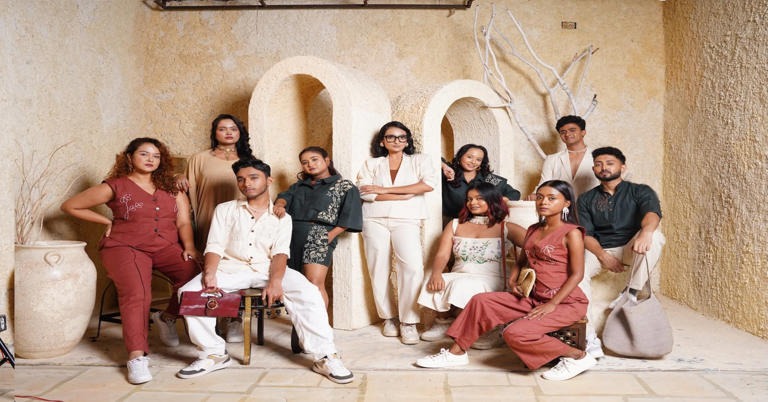
- Preeti Sarkar, a Kolkata-based content creator with over 1.6 million followers across Instagram and YouTube, has launched her own clothing brand, Preetizen
- Sarkar’s journey began with simple skincare and fashion videos filmed using a bucket as a tripod
- Her breakthrough came when she embraced authenticity—posting unfiltered, makeup-free videos that resonated deeply with her audience
- Today, she markets her brand using the same genuine approach, even crowdsourcing models from her follower base for campaigns
2. The Rise of Creator-Led Brands
- Influencers like Nitibha Kaul, Kusha Kapila, and Gaurav Taneja are leading the charge with their own product lines
- Kaul’s beauty brand, Kapila’s shapewear label, and Taneja’s sports nutrition venture are examples of creators leveraging trust to drive commerce
- These businesses are not side hustles—they’re central to the influencer’s identity and revenue model
- The shift marks a reversal of the traditional path: instead of entrepreneurs becoming influencers, influencers are becoming entrepreneurs
3. Economic Impact and Market Size
- According to Boston Consulting Group, India now has over 2 million monetized content creators
- These creators influence more than 350 billion dollars in consumer spending
- Direct revenue from the creator ecosystem is projected to grow from 25 billion dollars in FY24 to over 100 billion dollars by 2030
- By the end of the decade, creator-influenced consumption could exceed 1 trillion dollars
4. Authenticity as Currency
- Sarkar’s success story highlights a broader trend: audiences crave realness
- Her decision to feature everyday people as models—regardless of height, skin tone, or conventional beauty standards—generated over 60,000 comments on a single post
- This community-driven approach is becoming a blueprint for influencer-led brands
- Consumers are increasingly drawn to brands that reflect their own identities and values
5. Hyperlocal and Regional Reach
- Influencers are creating content in regional languages, tapping into underserved markets
- Sarkar’s Bengali-language videos helped her build a strong local following
- Traditional media struggles to reach these hyperlocal audiences, but influencers are bridging the gap with personalized content
- This regional penetration is driving growth in Tier 2 and Tier 3 cities
6. Industry Trends and Future Outlook
- The India Influencer Marketing Report 2025 shows a 322 percent growth in the creator base since 2020
- Instagram and YouTube remain dominant platforms, but WhatsApp and Telegram are rising as private community hubs
- Brands are shifting from short-term campaigns to long-term influencer partnerships
- Micro-influencers with niche audiences are gaining traction for their authenticity and engagement
7. Challenges and Regulatory Shifts
- The Advertising Standards Council of India now requires clear labeling of paid content on social media
- This move aims to protect consumers from misleading promotions and ensure transparency
- As the industry matures, creators must balance authenticity with compliance and brand alignment
India’s influencer ecosystem is no longer just about entertainment—it’s a powerful economic engine. As creators continue to build businesses rooted in trust, community, and cultural relevance, they’re redefining what it means to be a modern entrepreneur.
Sources: CNBC, India Influencer Marketing Report 2025 by The Goat Agency and Kantar, The Hindu Business Line, Boston Consulting Group, Daily Expert News, The Indian Express, The Global Statistics, Clickbox Agency







Follow WOWNEWS 24x7 on:


Copyright 2024 WOWNEWS 24x7. All rights reserved. The WOWNEWS 24x7 is not responsible for the content of external sites. Read about our approach to external linking.
Powered By Just Imagine
