







Follow WOWNEWS 24x7 on:



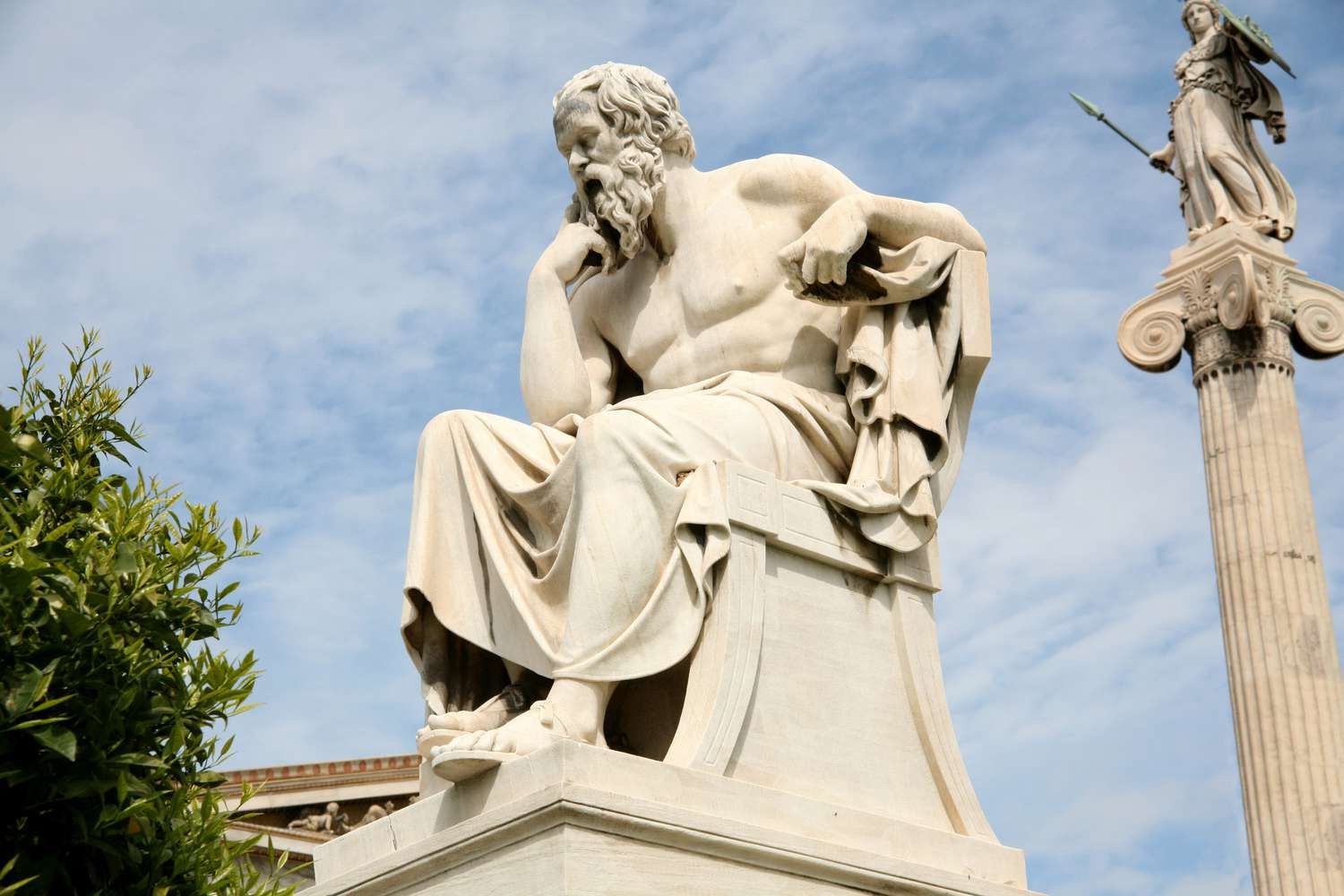
Ancient Greek philosopher Socrates described the soul as eternal, unchanging, and surviving beyond the death of the body. According to accounts preserved in Plato’s Dialogues, Socrates believed the soul resides in the ideal realm, guiding human morality and knowledge. His teachings continue to shape philosophy, ethics, and spiritual thought today.
Show moreStay Ahead – Explore Now! Why Dreams Slip Away: Neuroscience Unlocks the Mystery of Dream Amnesia















Follow WOWNEWS 24x7 on:





Copyright 2024 WOWNEWS 24x7. All rights reserved. The WOWNEWS 24x7 is not responsible for the content of external sites. Read about our approach to external linking.
Powered By Just Imagine
