Brazil’s President Lula announced plans to visit South Korea and India in February 2026, followed by Germany in April, aiming to deepen economic, strategic and diplomatic ties. The tours build on ongoing collaborations and situate Brazil as a proactive player in global geopolitics and emerging markets.
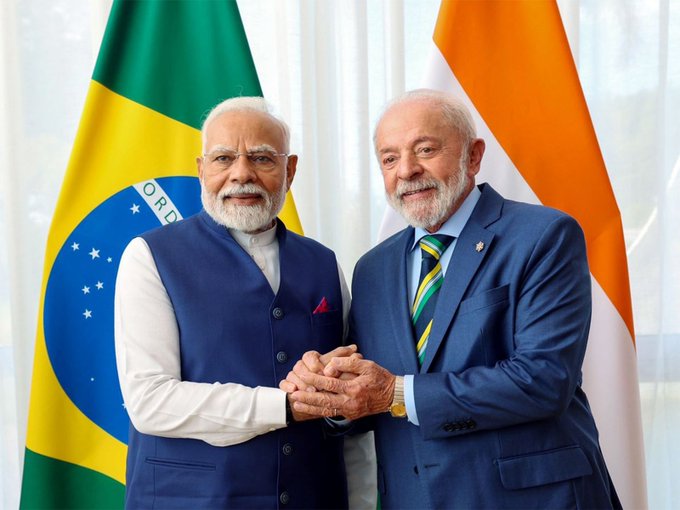
Brazil’s President Luiz Inácio Lula da Silva has unveiled ambitious plans for a diplomatic tour in early 2026, marking a proactive push to strengthen Brazil’s global engagements. Announced this week, Lula’s itinerary includes state visits to South Korea and India in February, followed by a visit to Germany in April — signalling a clear thrust toward deepening economic and geopolitical partnerships.
The announcement underscores Brazil’s intent to expand its global footprint amid shifting geopolitical dynamics and rising trade tensions. Lula’s proactive approach reflects Brazil’s aspiration to assert its leadership on the world stage while fostering economic ties that align with national development goals.
Key Highlights
Diplomatic tour schedule unveiled
Lula confirmed that he will travel to South Korea and India in February 2026, then proceed to Germany in April. The tour aims to strengthen Brazil’s bilateral relations across Asia and Europe, building on recent strategic dialogues.
Focus on South Korea engagement:
The planned visit to South Korea highlights Brazil’s intent to deepen cooperation with a key Asian economy — especially in areas such as trade, technology exchange, and industrial collaboration. Strategic economic ties are expected to be a core part of discussions.
Strengthening Brazil-India ties:
India figures prominently in Lula’s diplomatic roadmap. His February visit follows high-level engagements focused on defence, trade, and digital infrastructure cooperation. Preparatory talks between security advisers from both countries have already set the stage for this visit.
German engagement in April:
The April trip to Germany signals Brazil’s ambitions for enhanced engagement with European partners. Germany is a major economic player, and Lula’s visit could touch on collaboration in sustainability, trade, and global governance.
Context within broader geopolitical momentum:
Lula’s outreach comes against a backdrop of initiatives to boost South-South cooperation within blocs like BRICS and in response to global trade headwinds. Brazil continues to advocate multilateralism and stronger ties among emerging markets.
Implications for Brazil’s global strategy:
This diplomatic tour reflects an assertive foreign policy at a time when global power balances are in flux. Strengthening strategic alliances with Asia and Europe could bolster Brazil’s economic resilience and geopolitical influence.
Source: Reuters, TradingView.