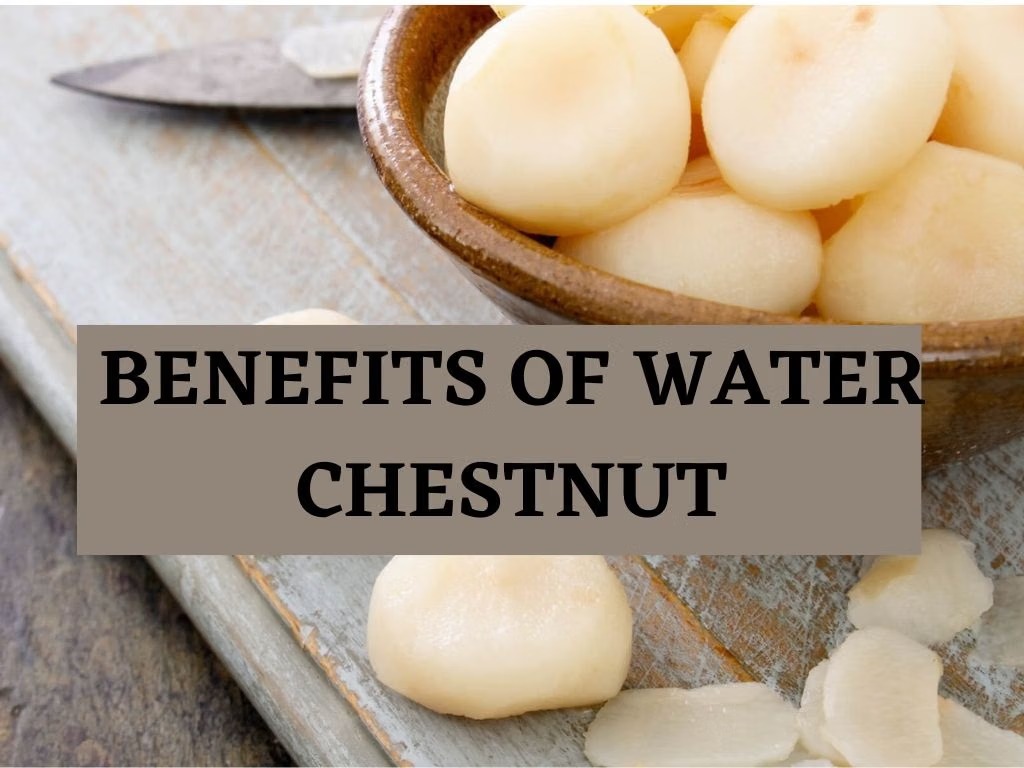







Water chestnuts, or singhara, are emerging as a winter super-snack: low in calories, rich in fibre, potassium and antioxidants, and naturally gluten-free. Nutritionist Deepali Sharma highlights five key benefits, from better digestion and stress support to skin health and jaundice recovery, making singhara a guilt-free, versatile addition to winter diets.
Why singhara is “guilt-free”
A 100 g serving of raw water chestnuts has around 97 calories, negligible fat and about 3 g fibre, helping increase satiety without calorie overload.
The combination of fibre and a relatively low glycaemic impact makes singhara a smart snacking choice for weight-conscious and metabolically sensitive individuals.
Five key health benefits
-
Digestive support: High fibre content promotes smoother bowel movements, eases constipation and supports a healthier gut environment.
-
Stress and sleep: Vitamin B6 in singhara supports neurotransmitter synthesis, which may help reduce stress, stabilise mood and improve sleep quality over time.
-
Jaundice recovery: High water content and cooling, hydrating properties can help reduce weakness and support detoxification during recovery from jaundice.
-
Skin and anti-ageing: Antioxidants such as ferulic acid and catechins combat oxidative stress, supporting brighter skin and potentially slowing appearance of fine lines.
-
Heart and metabolic health: Potassium-rich, low-fat singhara may aid blood-pressure control, support heart health and assist blood sugar regulation when eaten as part of a balanced diet.
How to add it to your diet
-
Snack bowl: Eat boiled or roasted singhara with mild spices as a mid-day, fasting-friendly snack.
-
In meals: Add sliced water chestnuts to stir-fries, wraps, salads or soups to boost crunch, hydration and micronutrient density.
Sources: Hindustan Times, Health Shots, WebMD, Diabetes Telecare, ICICI Lombard, Bajaj Finserv Health, The Better India, NDTV Food, Metropolis Healthcare.