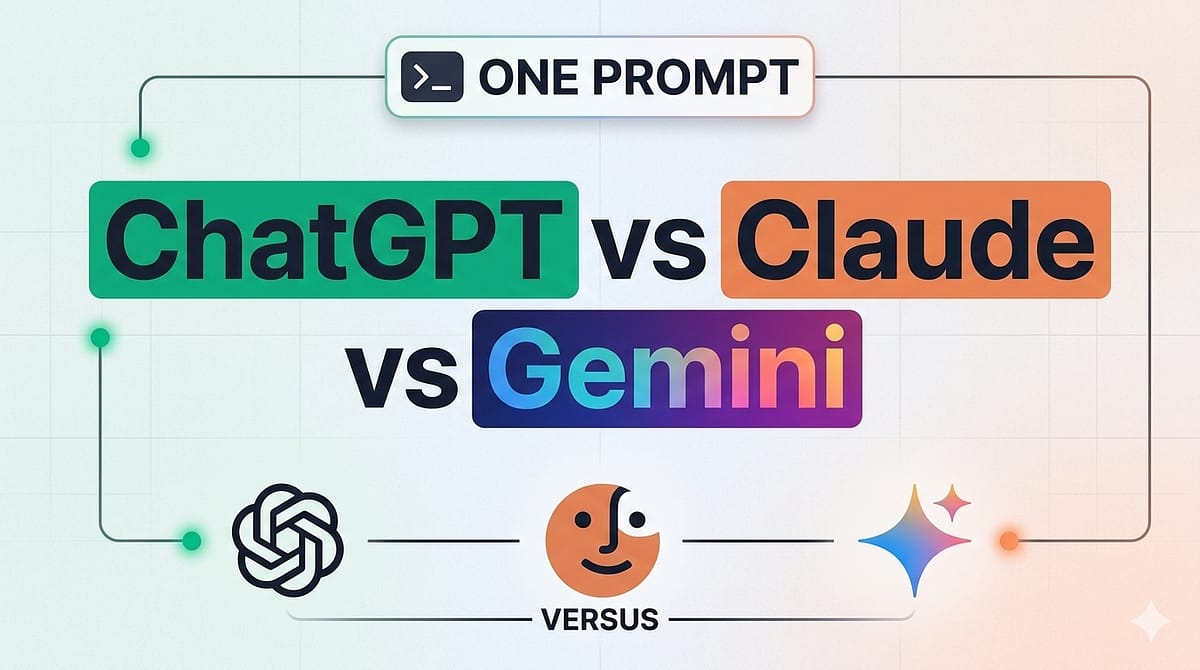


A hands-on experiment comparing ChatGPT, Gemini, and Claude for AI-driven website creation reveals clear differences in creativity, usability, and prompt interpretation. While all three models generated functional HTML code, Claude delivered the most immersive and visually refined onboarding webpage, highlighting the growing impact of AI-powered “vibe coding” in modern web development.
Artificial intelligence is rapidly transforming the way websites and software are built, with large language models (LLMs) enabling even non-programmers to generate working code using simple prompts. A recent experiment compared three leading AI models—ChatGPT, Gemini, and Claude—to determine which performs best when tasked with designing a functional website interface.
The test involved giving each model the same prompt: create an HTML onboarding screen for a social networking platform designed for Dungeons & Dragons players. The interface needed to welcome new users, allow them to choose their preferred play style, and encourage them to complete a short profile, while maintaining a strong thematic experience and clear usability.
Each AI-generated code output was evaluated using three primary criteria: aesthetic intelligence, usability, and adherence to the prompt. The results showed that while all three models produced working HTML pages, their design quality and interpretation of the prompt varied significantly.
Key Highlights
-
The experiment tested ChatGPT, Gemini, and Claude using the same prompt to ensure a fair comparison of AI website generation capabilities.
-
ChatGPT successfully produced functional HTML code but delivered a relatively plain design that resembled a simple form interface rather than an immersive onboarding experience.
-
Gemini demonstrated stronger design sensibilities, incorporating thematic elements such as fantasy-inspired field labels and better visual hierarchy to create a more engaging user interface.
-
Claude emerged as the clear winner by delivering the most visually compelling and immersive design, complete with animation effects and a cohesive fantasy aesthetic.
-
The Claude-generated page used glowing gold accents and a darker environment that aligned closely with the Dungeons & Dragons theme, enhancing the overall user experience.
-
Claude also excelled in prompt interpretation, filling creative gaps intelligently and producing a balanced blend of usability, visual storytelling, and thematic design.
-
The test highlights the rise of “vibe coding,” where developers and non-coders rely on AI tools to generate functional code from natural language prompts.
-
Experts note that while all modern AI models can generate working code, the key differentiator increasingly lies in creative interpretation, UI design, and contextual understanding.
-
As AI-driven development tools continue evolving, experiments like this demonstrate how different models vary in creative intelligence despite similar technical capabilities.
Source: XDA Developers