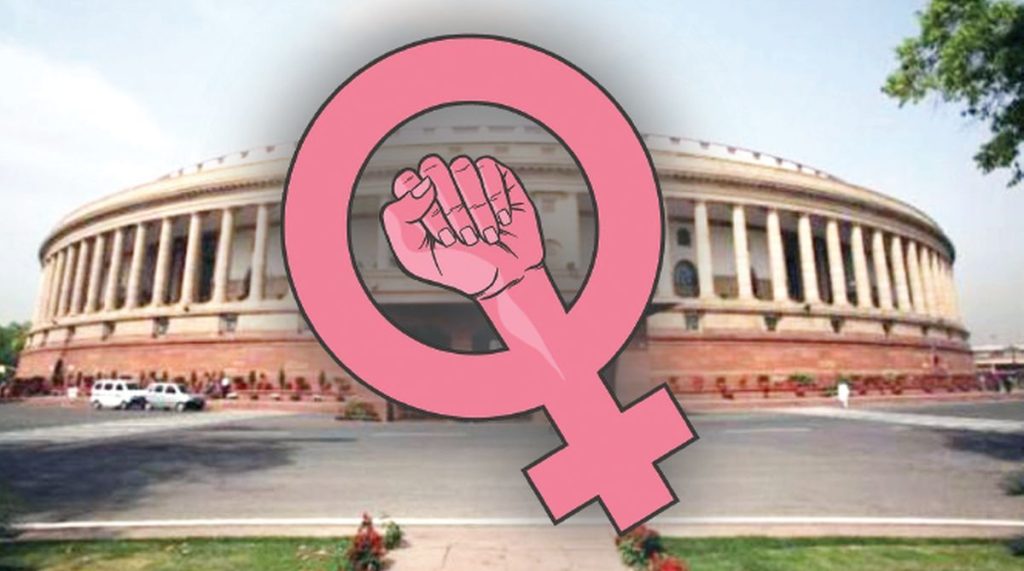



On International Women’s Day 2026, India’s Parliament reports fewer than 14% women MPs in the Lok Sabha, underscoring limited female representation. While the Women’s Reservation Bill promises future change, India lags behind countries like Rwanda and Sweden, where women hold over 40% of parliamentary seats. Global comparisons highlight the gap.
Key Highlights
Current Representation: Women make up less than 14% of Lok Sabha MPs , a modest improvement but still far below global averages.
Rajya Sabha Numbers: Representation in the Rajya Sabha remains similarly low, reflecting systemic barriers to women’s political participation.
Global Comparison:
-
Rwanda: Over 60% of MPs are women, the highest globally.
-
Sweden & Finland: Women hold 40–47% of seats, showcasing strong gender parity.
-
India: At under 14%, India ranks well below the global average of ~26%.
Legislative Action: The Nari Shakti Vandan Adhiniyam (Women’s Reservation Bill), passed in 2023, promises 33% reservation for women in Parliament and state assemblies, but implementation awaits delimitation and census exercises.
Party-Level Representation: Questions remain about how many women MPs the five largest political parties field, with opposition leaders pressing for accountability.
Why This Matters
Women’s representation in Parliament is not just symbolic — it directly influences policy priorities, inclusivity, and governance outcomes. Countries with higher female participation often see stronger focus on healthcare, education, and social welfare policies.
India’s low numbers highlight structural challenges: patriarchal norms, limited access to resources, and party-level biases. While the Women’s Reservation Bill is a landmark step, its delayed implementation means real change may take years.
Globally, India’s position underscores the urgency of reforms. With nations like Rwanda, Sweden, and Mexico leading the way, India’s future credibility as a democracy depends on greater gender parity in political representation.
Conclusion
On International Women’s Day 2026, India celebrates progress but confronts reality: less than 14% of MPs are women, far behind global leaders. The passage of the Women’s Reservation Bill offers hope, but until implemented, India’s Parliament remains male-dominated. True empowerment will require structural reforms, party accountability, and cultural change.
Sources: Mint, WorldNews, Association for Democratic Reforms