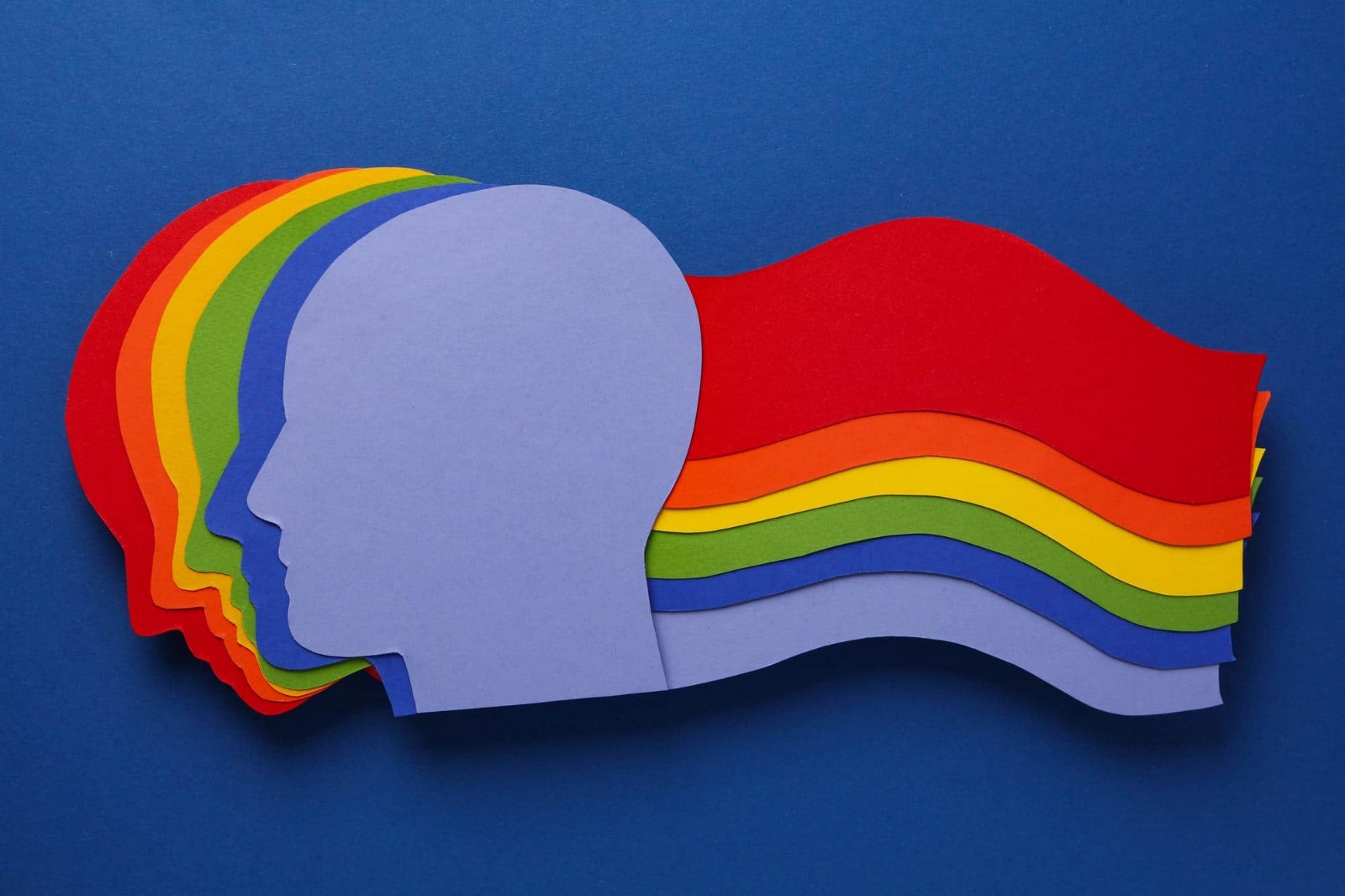







Psychologists have identified black, grey, and beige as the three colors most often chosen by people with low self-esteem. These muted tones reflect a desire to blend in, avoid attention, and create a sense of emotional protection, signaling fragile confidence and inner struggles with self-worth.
Psychology research has long explored the connection between color preferences and emotional states. Recent studies reveal that individuals with low self-esteem often gravitate toward subdued, neutral shades such as black, grey, and beige. Far from being random choices, these colors act as subtle indicators of inner insecurities and a preference for invisibility in social settings.
Experts explain that color choices are not merely aesthetic but psychological expressions. Black is often associated with protection and withdrawal, grey with neutrality and avoidance, and beige with invisibility and safety. Together, these tones suggest a subconscious effort to shield oneself from judgment or attention.
Key highlights
-
Black, grey, and beige are the three colors most linked to low self-esteem.
-
Psychologists note these shades reflect avoidance, invisibility, and emotional protection.
-
Color preferences act as non-verbal cues of fragile confidence.
-
Studies show individuals with low self-esteem often avoid bright or bold colors.
-
Experts emphasize that color choices can reveal deeper psychological states.
-
Awareness of these patterns may help in building self-confidence and positive identity.
Researchers highlight that while fashion and style play roles in color selection, repeated reliance on muted tones often signals deeper emotional struggles. For example, black may feel like armor, grey like a shield against visibility, and beige like a way to fade into the background. These choices are not inherently negative but can reflect an inner reluctance to stand out.
Psychologists suggest that recognizing these patterns can be a step toward self-awareness. Encouraging individuals to experiment with brighter colors may help foster confidence and openness, though the deeper solution lies in addressing underlying self-esteem issues through support, therapy, and positive reinforcement.
The findings remind us that colors are more than fashion—they are psychological mirrors of how people perceive themselves and their place in the world.
Sources: The Punjab, Dankaminsky, Turlock Express