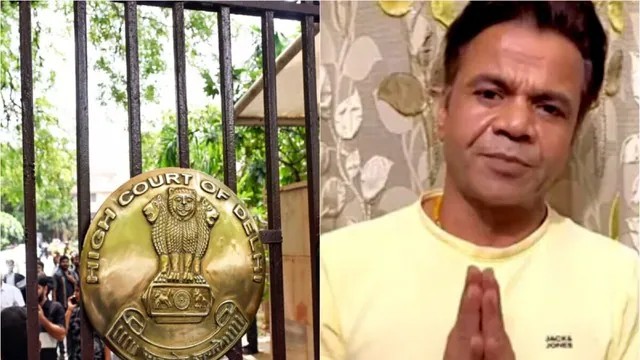

Bollywood actor Rajpal Yadav surrendered at Tihar Jail after the Delhi High Court refused to extend his deadline in multiple cheque-bounce cases. Despite offering partial repayment and seeking more time, the court dismissed his plea, directing immediate surrender. The actor will now serve his sentence as per judicial orders.
Bollywood actor Rajpal Naurang Yadav, known for his comic roles, faced a serious legal setback as he surrendered before Tihar Jail authorities on Thursday, February 5, 2026. This development followed the Delhi High Court’s refusal to grant him further relief in long-pending cheque-bounce cases.
The High Court, led by Justice Swarana Kanta Sharma, dismissed Yadav’s plea seeking an extension to deposit settlement amounts. His counsel had informed the court that Rs 50 lakh had been arranged and requested a week’s time to complete the payment. However, the bench categorically rejected the application, emphasizing that repeated leniency had already been extended earlier.
Key Highlights
-
Actor Rajpal Yadav surrendered at Tihar Jail at 4 pm on Thursday, February 5, 2026
-
Delhi High Court refused to extend the surrender deadline, rejecting his plea for more time
-
Yadav’s counsel informed the court about arranging Rs 50 lakh, but the request for a week’s extension was denied
-
The court stated that no further hearing would be granted unless Yadav first surrendered to jail authorities
-
The case involves multiple cheque dishonour complaints linked to financial transactions with Murli Projects Private Limited
-
Justice Swarana Kanta Sharma highlighted that Yadav had failed to comply with earlier undertakings and deadlines set by the court
-
The actor will now serve his sentence as per judicial procedure, with jail authorities following standard operating protocols
This case underscores the judiciary’s firm stance on cheque-bounce offences and the importance of compliance with court orders. Rajpal Yadav’s surrender marks a significant moment in the ongoing legal proceedings, reflecting the consequences of financial misconduct and repeated breaches of undertakings.
Sources: Press Trust of India (PTI), The Times of India, The Tribune