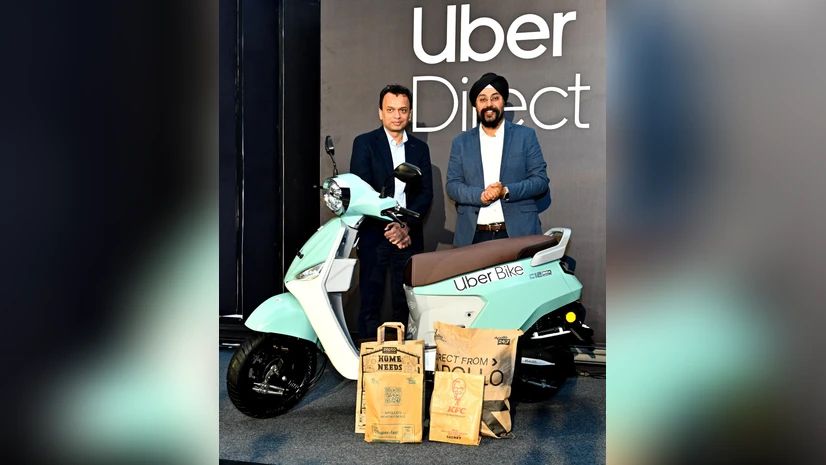

Uber has rolled out Uber Direct, a B2B logistics solution powered by ONDC, alongside metro ticketing integration for Bengaluru commuters. Unlike Uber Courier, Uber Direct operates behind the scenes as a logistics engine for businesses. The dual launch strengthens Uber’s multi-service offerings, combining enterprise delivery support with seamless urban mobility.
Uber has announced two major initiatives in Bengaluru, reinforcing its role as a multi-service platform in India. The company has entered the B2B logistics space with the launch of Uber Direct, powered by ONDC, and simultaneously introduced metro ticketing on the Uber app for Bengaluru’s Namma Metro commuters.
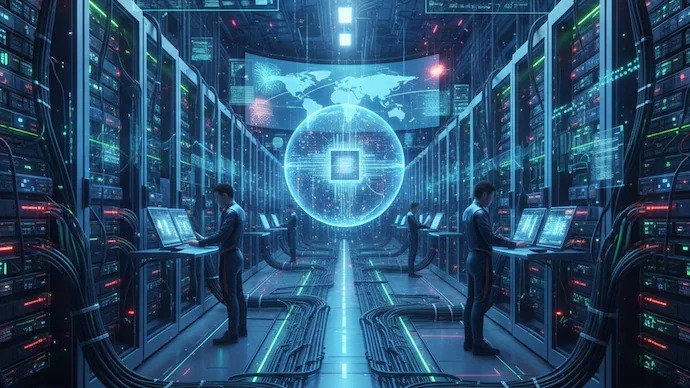
Uber Direct is designed as a plug-and-play logistics engine for enterprises, enabling businesses to fulfill customer orders placed on their own apps or websites. Unlike Uber Courier, which is consumer-facing, Uber Direct works behind the scenes, with Uber’s delivery partners completing the last-mile service. Early partners include Zepto, KPN Farm Fresh, KFC, Burger King, Taco Bell, and Rebel Foods, highlighting the platform’s versatility across industries.
In parallel, Uber has rolled out metro ticketing integration via ONDC, allowing Bengaluru commuters to purchase tickets directly through the Uber app. This move aligns with Uber’s vision of building connected mobility solutions, leveraging India’s digital public infrastructure to make urban travel more seamless.
Prabhjeet Singh, President of Uber India and South Asia, emphasized Bengaluru’s role as a “playground for innovation,” making it the natural choice for deepening ONDC integration.
Major Takeaways
B2B Logistics Launch: Uber Direct enables businesses to manage deliveries via ONDC.
Enterprise Partners: Early adopters include Zepto, KPN Farm Fresh, and major QSR chains.
Metro Ticketing: Namma Metro tickets now available on the Uber app.
Consumer Convenience: Integration simplifies commuting and delivery experiences.
Strategic Expansion: Bengaluru chosen as the pilot city for innovation-driven rollouts.
Notable Updates
Behind-the-Scenes Service: Uber Direct differs from Uber Courier by functioning as a logistics backbone.
Digital Infrastructure: Both services leverage ONDC’s open digital rails.
Multi-Service Push: Uber aims to combine mobility, commerce, and logistics under one ecosystem.
Conclusion
With the launch of Uber Direct and metro ticketing in Bengaluru, Uber is positioning itself as more than a ride-hailing app. By integrating enterprise logistics and commuter services into its platform, Uber is creating a connected ecosystem that benefits both businesses and everyday users.
Sources: The Hindu BusinessLine, Business Standard, CNBC TV18