
The Union Budget 2026 has placed a spotlight on coconut cultivation and value-added processing, aiming to boost farmer incomes and rural employment. This policy focus resonates deeply with India’s food culture, where coconut anchors countless regional dishes. Six iconic recipes—from chutneys to solkadhi—show why coconut is both an economic and culinary powerhouse.
Coconut Gets Budget Spotlight: India’s Culinary & Agricultural Symbol
Finance Minister Nirmala Sitharaman’s Union Budget 2026 emphasized high-value crops, with coconut receiving special attention for its role in coastal livelihoods, food culture, and value-added exports. The announcement includes targeted support for productivity, orchard rejuvenation, and farmer income programs.
Notable Updates
-
Budget focus: Coconut highlighted as a priority crop alongside cashew, cocoa, and sandalwood.
-
Policy measures: Support for productivity improvement, processing units, and farmer cooperatives.
-
Economic impact: Coconut farming sustains millions in Kerala, Tamil Nadu, Karnataka, and coastal states.
Major Takeaways
Coconut is central to India’s culinary diversity, used fresh, dried, or as oil.
Six dishes showcasing its cultural importance:
-
Kerala Avial – mixed vegetable curry with coconut paste.
-
Goan Solkadhi – kokum and coconut milk drink.
-
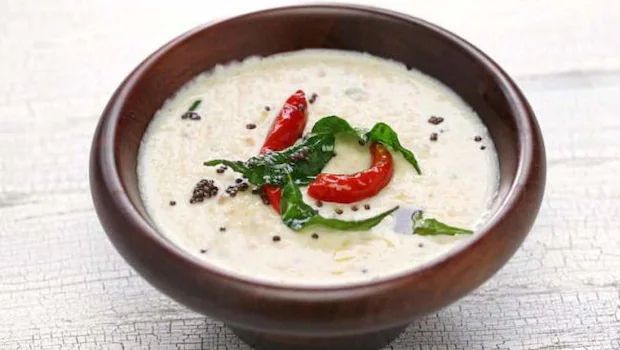
South Indian Coconut Chutney – staple with idli/dosa.
-
Bengali Narkel Naru – festive coconut sweet.
-
Mangalorean Chicken Sukka – spiced chicken with grated coconut.
-
Tamil Nadu Thengai Sadam – coconut rice.
Important Points
-
Coconut bridges policy and culture, symbolizing food security and tradition.
-
The Budget’s push for coconut aligns with India’s export ambitions and sustainable farming goals.
Analysts see this as a strategic move to diversify agriculture while celebrating India’s culinary heritage.
Sources: NDTV Food, ETimes, Hindustan Times