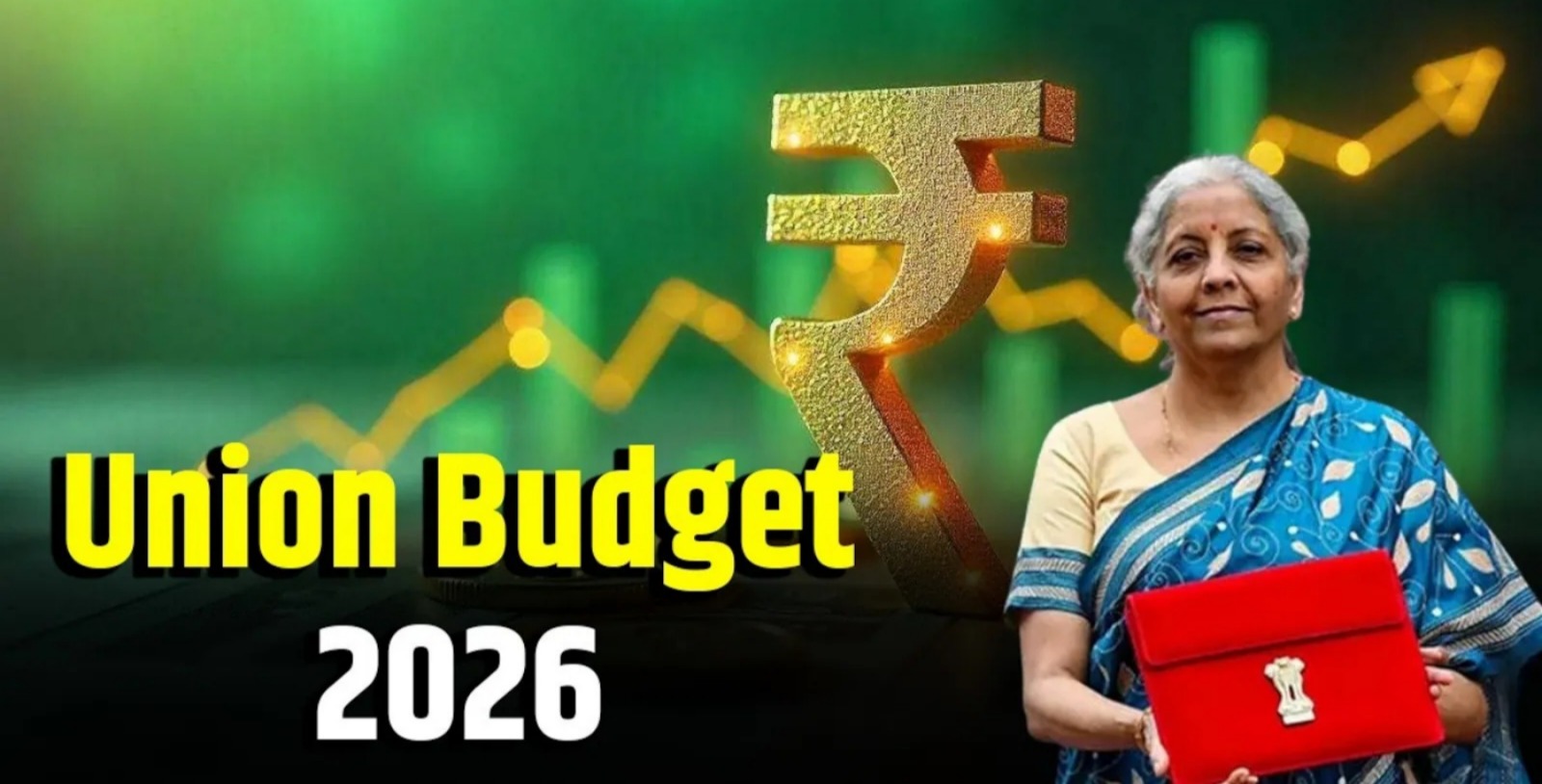

As India prepares for the Union Budget 2026, attention turns to a historic change in 1955 when Finance Minister C.D. Deshmukh introduced the first Hindi-printed budget. This marked a turning point in making fiscal policy more accessible, reflecting India’s linguistic diversity and strengthening democratic participation in economic governance.
The Union Budget has long been a cornerstone of India’s economic planning, outlining revenue generation, expenditure priorities, and fiscal direction. While today’s budgets are presented with advanced digital tools and broad outreach, the roots of accessibility trace back to 1955. That year, Finance Minister C.D. Deshmukh ensured the budget was printed in Hindi for the first time, breaking away from the colonial legacy of English-only documents.
This move was not just linguistic but symbolic, reinforcing India’s commitment to inclusivity and representation. It allowed millions of Hindi-speaking citizens to engage more directly with national economic policy, setting the stage for future reforms in transparency and communication.
Key Highlights
-
Until 1955, Union Budgets were exclusively printed in English
-
C.D. Deshmukh introduced Hindi printing to widen accessibility
-
The change reflected India’s linguistic diversity and democratic ethos
-
Budgets today continue to evolve with digital formats and broader outreach
-
The tradition underscores the balance between heritage and modernization in governance
Future Outlook
As Union Budget 2026 approaches, the historic shift of 1955 serves as a reminder that accessibility and inclusivity remain central to India’s fiscal journey, ensuring citizens can connect with the nation’s economic vision.
Sources: NDTV, News18, The Hindu