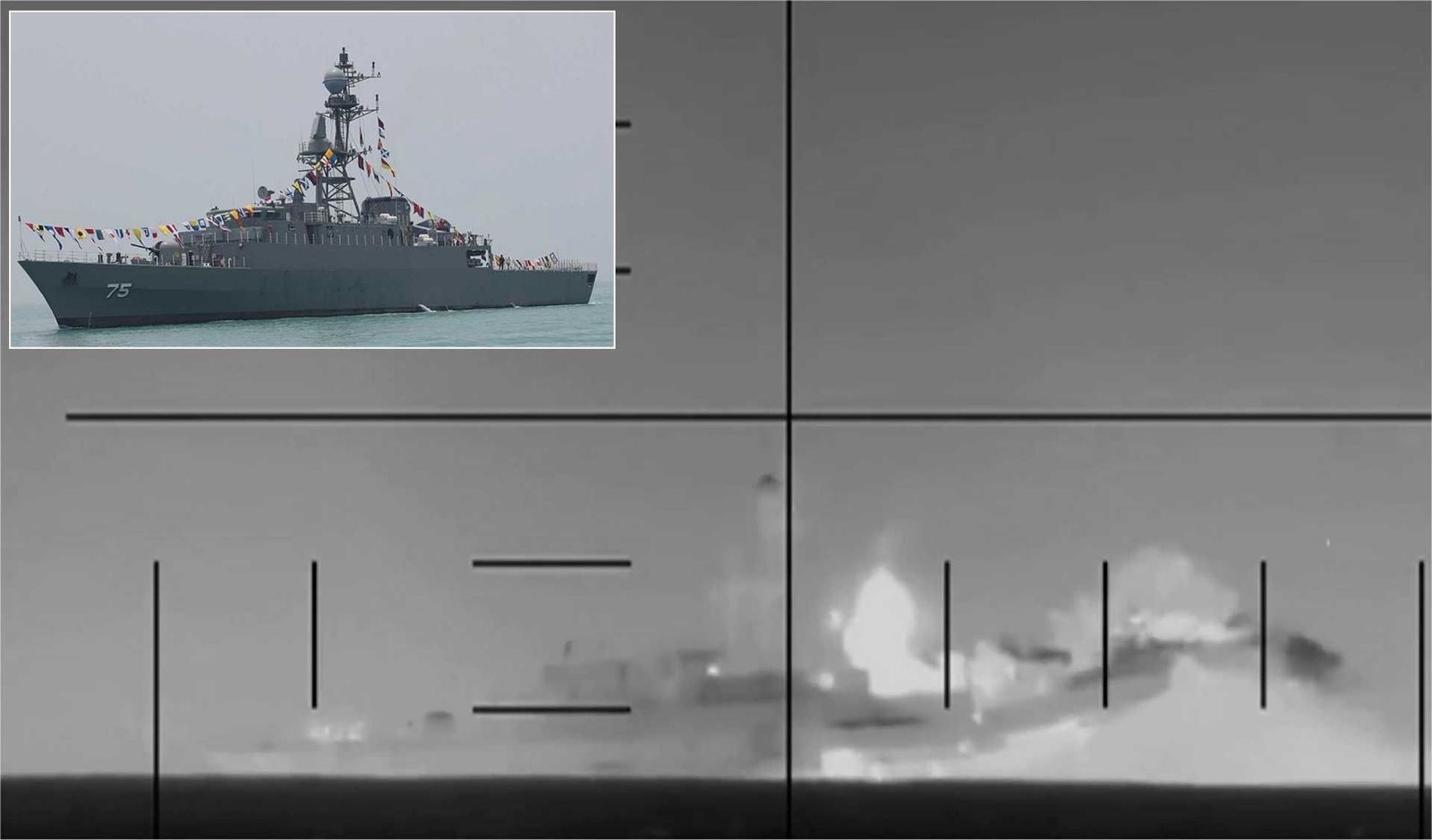






On March 4, 2026, a U.S. Navy submarine sank the Iranian frigate IRIS Dena in the Indian Ocean near Sri Lanka, marking the first combat torpedo strike by a U.S. submarine since World War II. The attack killed over 80 Iranian sailors, escalating tensions and deepening the Gulf shipping crisis.
In a historic and alarming escalation, the U.S. Navy confirmed that one of its submarines sank the Iranian warship IRIS Dena using a Mk 48 torpedo in international waters south of Sri Lanka. The strike represents the first time since WWII that a U.S. submarine has sunk a warship in combat.
Sri Lanka’s Deputy Foreign Minister reported that 80 Iranian sailors were killed, while 32 survivors were rescued by the Sri Lankan Navy. The IRIS Dena had recently participated in India’s MILAN naval exercise before being struck.
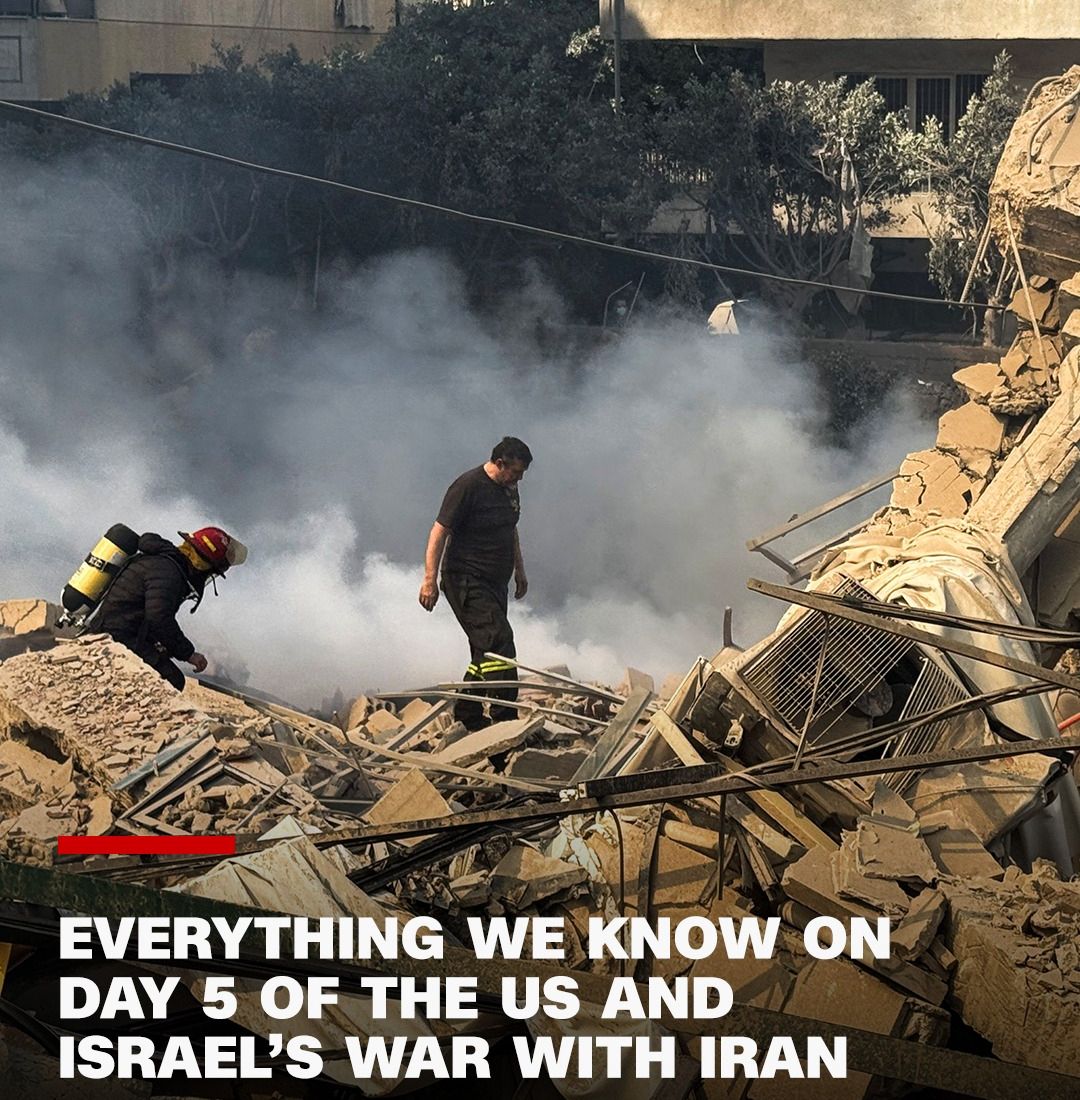
The incident has intensified the U.S.–Iran conflict, already destabilizing global shipping. Reuters reports that the Strait of Hormuz has been paralyzed for five consecutive days, choking vital oil and gas flows. Iran has vowed retaliation, warning of “widespread destruction” across the Middle East.
Defense analysts note that the sinking underscores the renewed role of submarines in modern warfare, highlighting both their stealth and destructive capability. The attack also raises concerns about escalation into a broader regional conflict.
Major Takeaways
-
U.S. Navy submarine sank Iranian frigate IRIS Dena with a Mk 48 torpedo
-
First U.S. submarine torpedo strike on a warship since World War II
-
Incident occurred in the Indian Ocean near Sri Lanka on March 4, 2026
-
Over 80 Iranian sailors killed; 32 rescued by Sri Lankan Navy
-
IRIS Dena had just participated in India’s MILAN naval exercise
-
Gulf shipping crisis deepens, with Strait of Hormuz blocked for five days
-
Iran vows retaliation, warning of widespread destruction in the Middle East
Conclusion
The sinking of the IRIS Dena marks a watershed moment in naval warfare and geopolitics. Beyond its historic military significance, the strike threatens to escalate the U.S.–Iran conflict, disrupt global energy flows, and destabilize regional security. As tensions rise, the world watches closely for the next phase of confrontation.
Sources: The Economic Times, Rediff.com, U.S. News & World Report, Army Recognition, Naval News