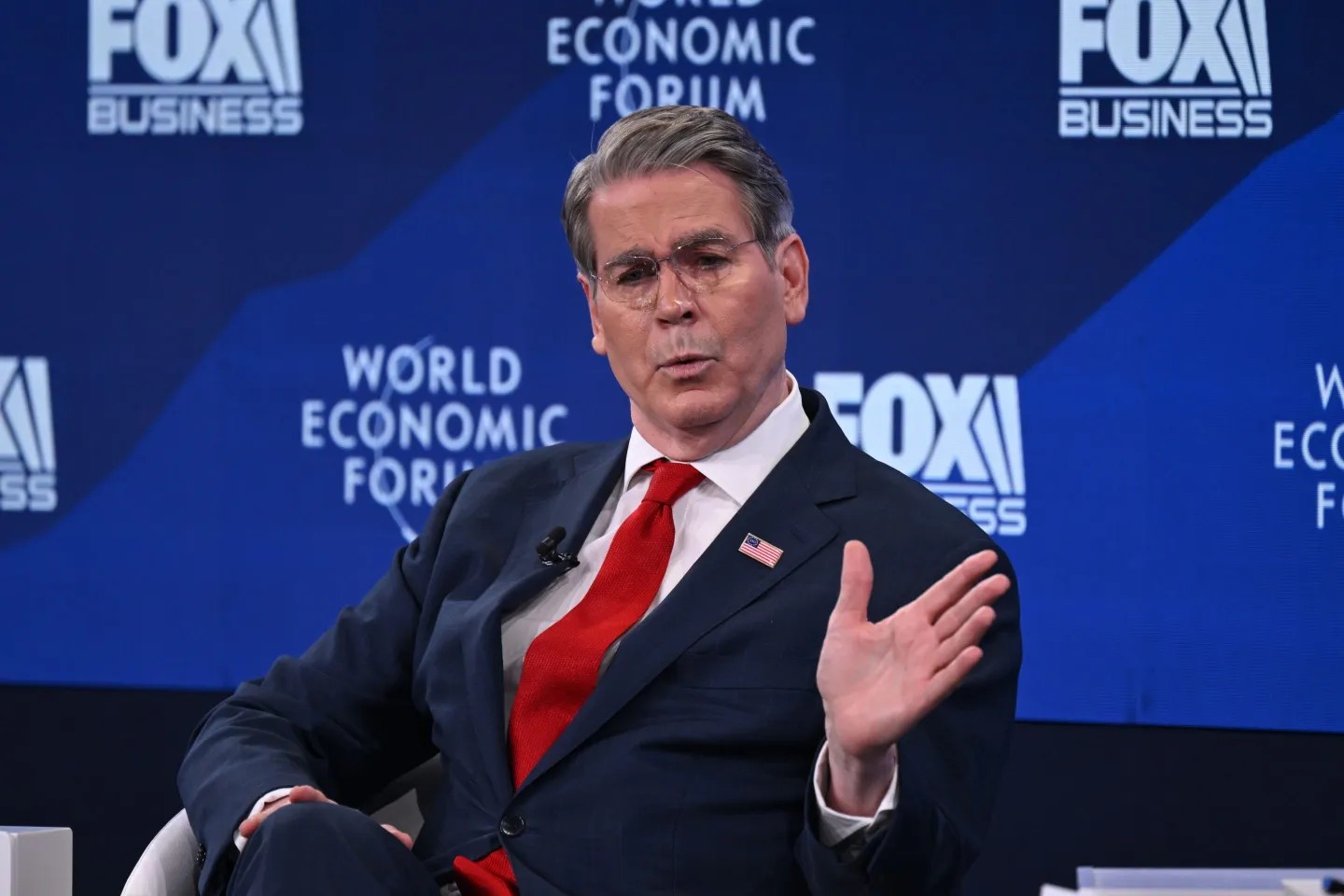

U.S. Treasury Secretary Scott Bessent has sharply criticized Europe’s decision to finalize a free trade agreement with India, calling it disappointing and counterproductive. He argued that Europe is indirectly financing Russia’s war effort by buying refined oil products from India, undermining U.S. sanctions and tariffs imposed on New Delhi.
The recently finalized India-European Union Free Trade Agreement (FTA), hailed as a landmark deal, has sparked sharp criticism from Washington. U.S. Treasury Secretary Scott Bessent openly expressed disappointment with Europe’s stance, accusing it of undermining global efforts to pressure Russia amid the ongoing Ukraine conflict.
Key Highlights
-
Scott Bessent stated that Europe is “financing the war against themselves” by purchasing refined oil products from India, which originate from Russian crude.
-
The U.S. has imposed a 25 percent tariff on India for importing Russian oil, underscoring Washington’s tougher stance compared to Europe.
-
Despite these measures, Europe proceeded to finalize its trade pact with India, which Bessent described as a diplomatic setback for Washington.
-
The deal, celebrated as the “mother of all trade deals,” is expected to boost India-EU economic ties significantly, but it has raised questions about geopolitical alignment.
-
Bessent emphasized that the U.S. has made “much bigger sacrifices” than Europe in confronting Russia, pointing to tariffs and broader sanctions as evidence of Washington’s commitment.
-
The timing of the deal coincides with ongoing negotiations led by President Donald Trump to seek a resolution to the nearly four-year-long Russia-Ukraine war.
-
Analysts suggest that Europe’s move reflects its prioritization of economic interests over geopolitical solidarity, potentially straining transatlantic relations further.
Broader Implications:
The India-EU FTA is expected to reshape trade flows, offering India greater access to European markets while strengthening Brussels’ supply chains. However, Washington’s criticism highlights the growing divergence between U.S. and European strategies in dealing with Russia. The episode underscores the complexity of balancing economic partnerships with geopolitical commitments, especially in a multipolar world where energy security and trade interests often clash with sanctions regimes.
Sources: Reuters, ABC News, AFP, Moneycontrol