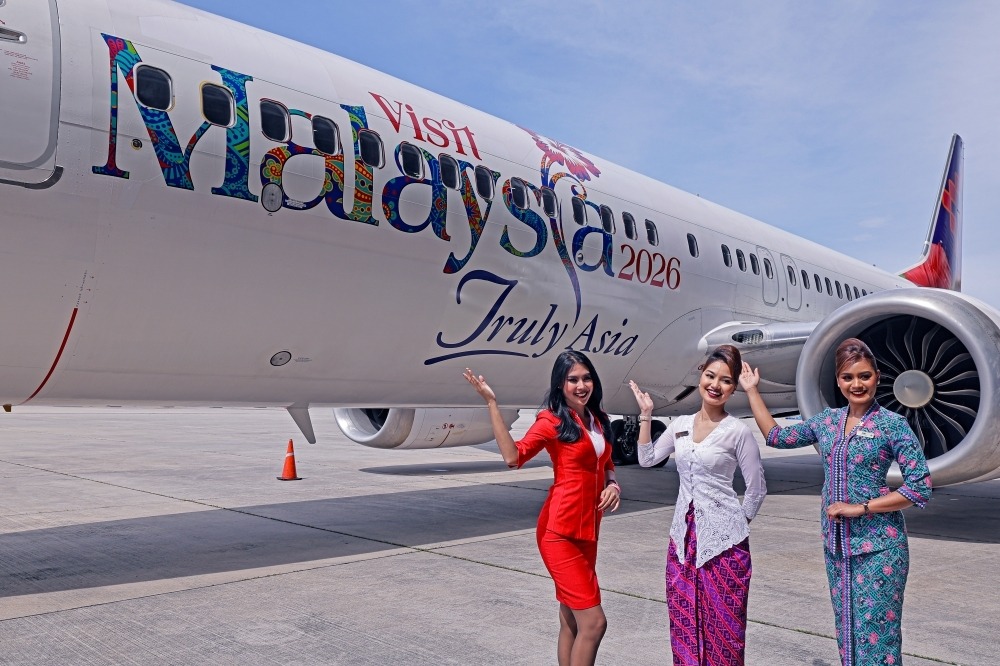







Visit Malaysia 2026 is being positioned not just as a tourism campaign but as a national opportunity to address long-standing policy and delivery gaps. Experts argue that the initiative can strengthen infrastructure, streamline governance, and enhance service quality, ensuring Malaysia’s tourism sector remains globally competitive and sustainable.
Malaysia’s upcoming Visit Malaysia 2026 campaign is being seen as more than a promotional exercise. Policymakers, industry leaders, and analysts emphasize that the event should serve as a platform to fix systemic issues in tourism policy and delivery. With global competition intensifying, Malaysia must leverage this milestone to align its tourism strategies with international best practices while addressing domestic shortcomings.
Key highlights from the announcement include
-
Visit Malaysia 2026 aims to attract millions of international visitors, boosting economic growth and cultural exchange.
-
Experts stress the need to address policy gaps in infrastructure, transport connectivity, and digital readiness.
-
Delivery challenges such as inconsistent service quality, bureaucratic delays, and fragmented coordination across agencies must be resolved.
-
Tourism stakeholders call for stronger collaboration between federal, state, and local authorities to ensure seamless execution.
-
Sustainability is highlighted as a priority, with emphasis on eco-tourism, heritage preservation, and community-based initiatives.
-
Digital transformation, including smart tourism platforms and AI-driven visitor services, is seen as critical to global competitiveness.
-
Industry voices urge Malaysia to learn from past campaigns, ensuring that promises translate into measurable outcomes.
-
The campaign is expected to generate significant employment opportunities and strengthen Malaysia’s position as a regional tourism hub.
The broader vision of Visit Malaysia 2026 is to transform tourism into a driver of inclusive growth. By addressing policy gaps—such as outdated regulations and fragmented governance—and improving delivery mechanisms, Malaysia can ensure that visitors experience world-class hospitality. The campaign also provides a chance to integrate sustainability into tourism planning, balancing economic gains with environmental and cultural preservation.
Ultimately, Visit Malaysia 2026 is not just about numbers but about credibility. If Malaysia can demonstrate efficiency, innovation, and inclusivity, the campaign will leave a lasting legacy beyond 2026, positioning the country as a model for tourism-driven development in Asia.
Sources: The Star, New Straits Times, Malay Mail, Bernama