




New scientific research suggests that a massive volcanic eruption in the 13th century set off a “butterfly effect” that ultimately contributed to the outbreak of the Black Death in the mid-14th century. The eruption disrupted climate patterns, weakened food supplies, and created conditions for the plague to spread across Europe.
A groundbreaking study has revealed how a volcanic eruption centuries before the Black Death may have indirectly shaped one of history’s deadliest pandemics. Researchers argue that the eruption triggered global cooling, crop failures, and famine, which destabilized societies and made populations more vulnerable to disease. This cascading effect, described as a “butterfly effect,” highlights the interconnectedness of natural disasters and human history.
Key highlights from the announcement include
-
The eruption occurred in the 13th century, releasing massive amounts of ash and sulfur into the atmosphere.
-
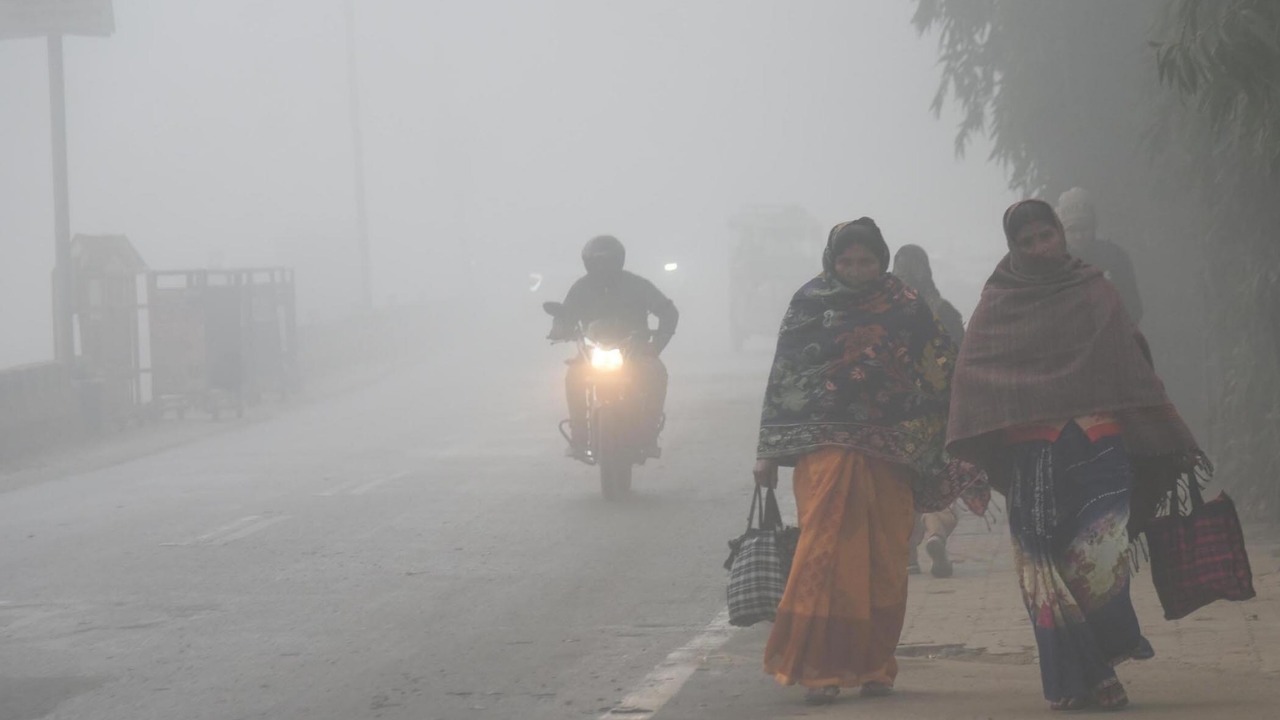
Climate disruption led to cooler temperatures, crop failures, and widespread famine across Europe and Asia.
-
Weakened populations became more susceptible to disease outbreaks, setting the stage for the Black Death.
-
The plague, caused by the bacterium Yersinia pestis, killed an estimated 50 million people between 1347 and 1351.
-
Researchers emphasize that the eruption’s indirect effects created a chain reaction of social and environmental stress.
-
The study underscores how natural events can have long-term consequences for human societies.
-
Modern scientists warn that similar volcanic events today could disrupt global food systems and health security.
The Black Death remains one of the most catastrophic pandemics in human history, reshaping Europe’s demographics, economy, and culture. This new research reframes the narrative, showing how environmental shocks can ripple across centuries to influence human destiny. By linking a volcanic eruption to the eventual spread of plague, scientists highlight the fragile balance between nature and civilization.
The findings also serve as a reminder of the importance of climate resilience and preparedness. Just as medieval societies struggled with cascading crises, modern nations face similar vulnerabilities in the face of climate change, pandemics, and global disruptions. Understanding these historical connections can help policymakers anticipate and mitigate future risks.
Sources: The Guardian, Nature Geoscience, Smithsonian Magazine, BBC Science Focus