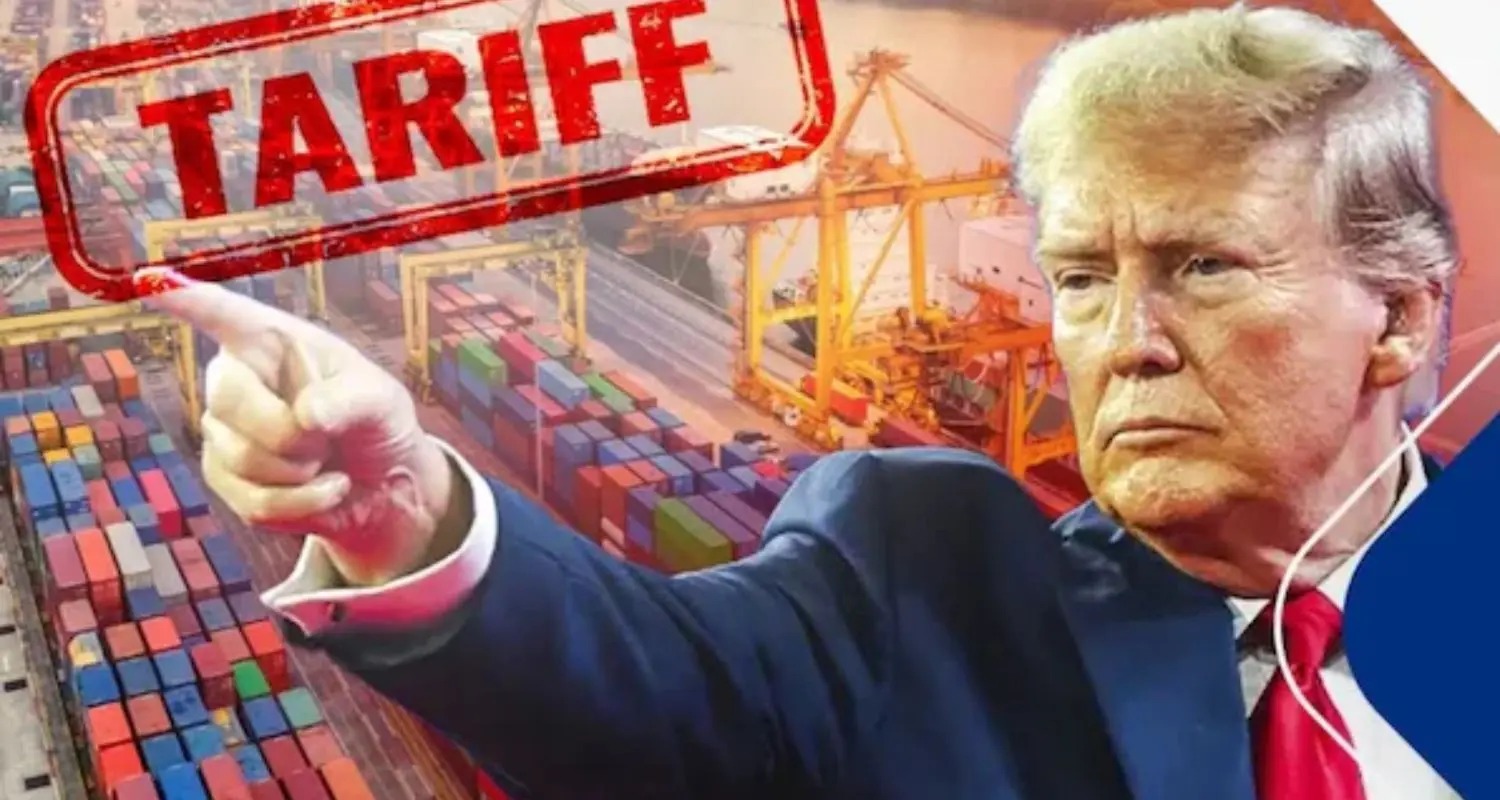

On January 30, 2026, President Donald Trump signed an executive order declaring a national emergency and establishing a process to impose tariffs on goods from countries that sell or provide oil to Cuba. The measure underscores Washington’s tougher stance on nations supporting Cuba’s energy supply.
Executive Order Details
The order introduces a framework for imposing tariffs on imports from countries that engage in oil trade with Cuba. The White House stated the move is aimed at curbing Cuba’s access to energy resources and pressuring nations that support its oil supply chain.
Policy Context
The decision reflects a continuation of U.S. efforts to isolate Cuba economically. By targeting countries that provide oil, the administration seeks to limit Havana’s ability to sustain its energy needs, while signaling a broader geopolitical message to nations aligned with Cuba.
Global Implications
Analysts suggest the tariffs could strain U.S. trade relations with affected countries, potentially impacting global supply chains. The move may also trigger diplomatic responses from nations targeted by the policy, adding complexity to international trade negotiations.
Key Highlights
-
Trump signs executive order declaring national emergency
-
Tariffs to be imposed on nations supplying oil to Cuba
-
Measure aims to restrict Cuba’s energy access
-
Potential strain on U.S. trade relations
-
Signals tougher geopolitical stance toward Cuba
Conclusion
The executive order marks a significant escalation in U.S. policy toward Cuba. By linking tariffs to oil trade, the administration is reinforcing its strategy of economic pressure while reshaping trade dynamics with countries engaged in Cuba’s energy sector.
Sources: White House Statement, Reuters, Bloomberg News