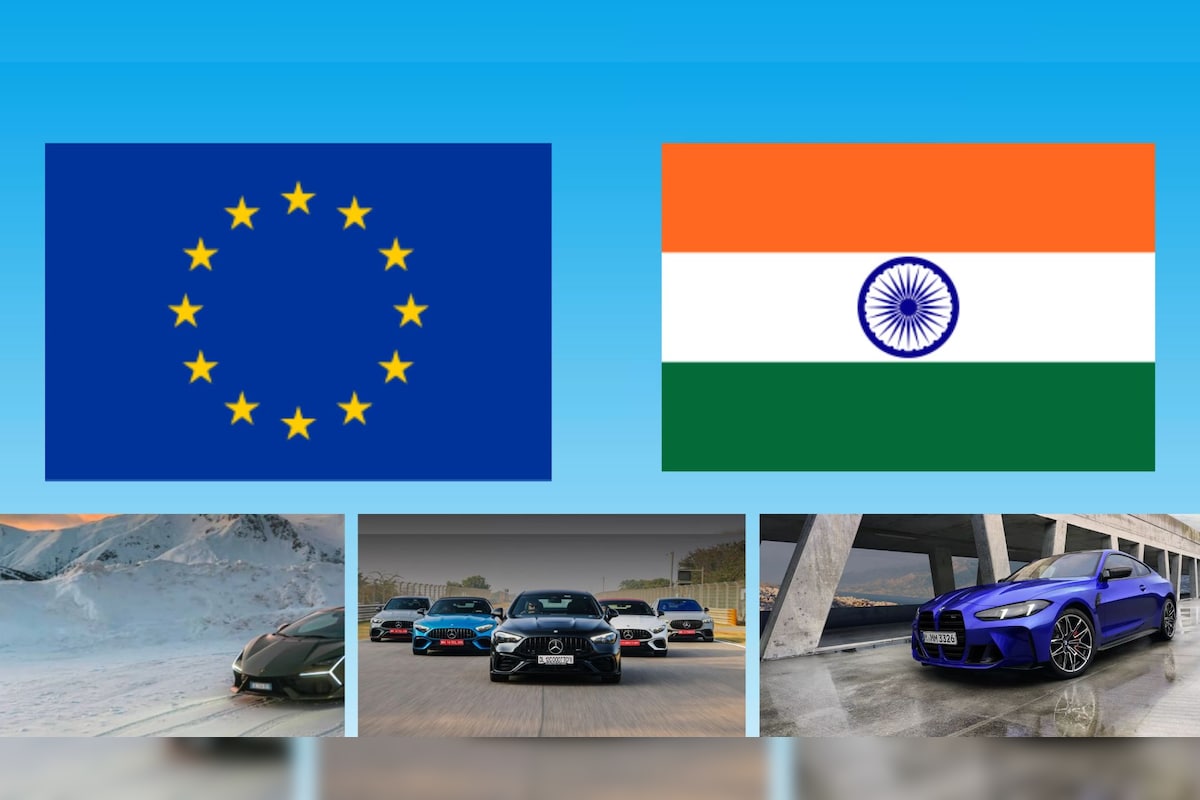

The proposed India-EU Free Trade Agreement (FTA) is expected to reshape the luxury automobile market, with Mercedes-Benz and Landmark Cars positioned to benefit significantly. Lower import duties, enhanced market access, and rising consumer demand could accelerate luxury car sales, making India a stronger player in the global premium segment.
India-EU FTA Impact On Luxury Automobiles
The India-EU FTA negotiations include discussions on reducing tariffs for imported vehicles. Currently, luxury cars face steep import duties, limiting affordability and market penetration. A successful agreement could lower costs, making premium brands like Mercedes-Benz more accessible to Indian buyers and boosting overall demand.
Mercedes-Benz Strategy
Mercedes-Benz has long viewed India as a growth market, with rising incomes and aspirational consumption driving sales. The company is expected to leverage the FTA to expand its portfolio, introduce more models, and strengthen its dominance in the luxury segment. Landmark Cars, as a key dealership partner, stands to gain from increased footfall and higher transaction volumes.
Luxury Market Outlook
India’s luxury car market is projected to grow steadily, supported by urbanization, wealth creation, and evolving consumer preferences. The FTA could act as a catalyst, aligning India’s automotive sector with global standards while encouraging investments in infrastructure and after-sales services.
Key Highlights
-
India-EU FTA may reduce tariffs on imported luxury cars
-
Mercedes-Benz positioned to expand portfolio in India
-
Landmark Cars expected to benefit from higher sales volumes
-
Luxury car demand driven by rising incomes and urbanization
-
FTA could align India’s auto sector with global benchmarks
Conclusion
The India-EU FTA represents more than a trade deal—it could redefine India’s luxury automobile landscape. With Mercedes-Benz and Landmark Cars poised to capitalize, the agreement may usher in a new era of accessibility and growth, cementing India’s place in the global luxury market.
Sources: Economic Times, Business Standard, Mint, Financial Express