
Hungary has rejected LT Foods’ proposed acquisition of Global Green Group, citing national economic and sectoral risks. The decision halts LT Foods’ expansion plans in Europe, raising questions about regulatory hurdles in cross-border deals. The rejection underscores growing scrutiny of foreign investments in sensitive sectors amid global economic uncertainties.
In a significant setback for LT Foods, Hungary has rejected the company’s proposed acquisition of Global Green Group, citing concerns over national economic and sectoral risks. The move highlights the increasing caution European regulators are exercising toward foreign investments, particularly in industries tied to food security and agriculture.
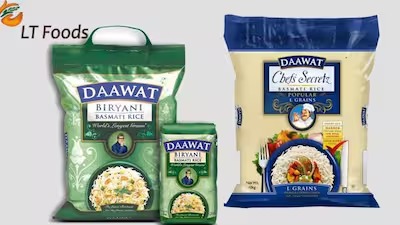
LT Foods, known for its flagship basmati rice brand “Daawat,” had aimed to strengthen its global footprint through this acquisition. However, Hungary’s rejection underscores the challenges Indian companies face when expanding into regulated European markets, where national interests often outweigh corporate ambitions.
Key Highlights:
-
Acquisition Blocked: Hungary rejects LT Foods’ Global Green Group deal.
-
Reason: Identified national economic and sectoral risks.
-
Impact: LT Foods’ European expansion strategy faces a setback.
-
Sector Sensitivity: Food and agriculture seen as critical to national security.
-
Global Context: Reflects rising scrutiny of cross-border investments amid economic uncertainties.
Analysts suggest LT Foods may explore alternative partnerships or focus on strengthening its existing international operations. The development also signals that companies must prepare for heightened regulatory oversight in global expansion strategies.
Sources: Reuters, Economic Times, Business Standard