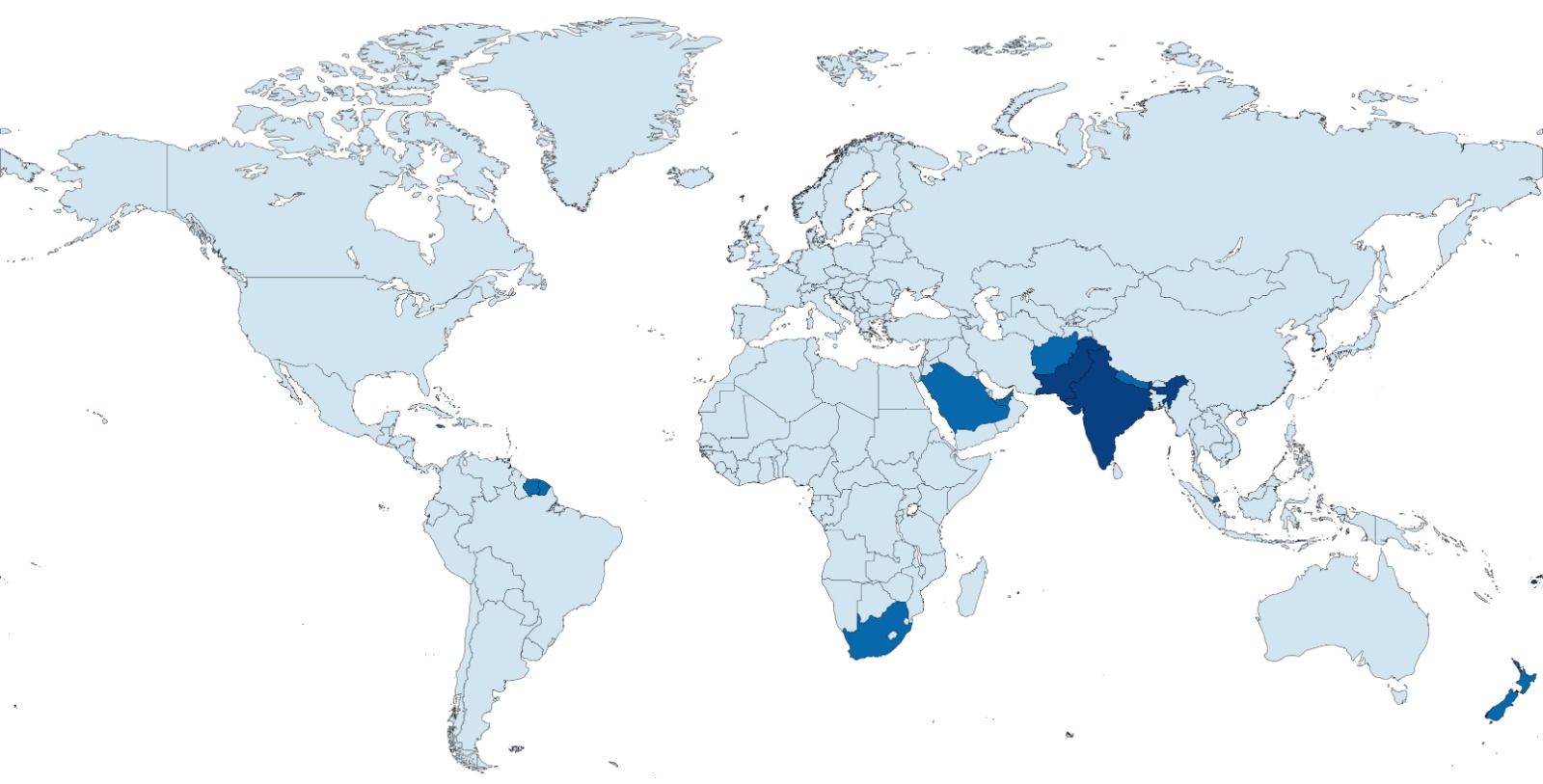
Sweeping social media bans for minors are surging globally, but evidence suggests they can push kids into unsupervised corners of the web, reduce digital literacy, and fragment support ecosystems. Balanced, age-appropriate access with robust safeguards often outperforms outright prohibition in safety, resilience, and long term well being.
Governments are tightening online access for minors in 2026, with Australia implementing a strict under-16 social media ban and multiple countries considering similar rules. France aims to ban under-15s from social platforms and prohibit mobile phones in high schools starting September 2026, signaling a global pivot toward restrictive policies. Proponents argue these moves will curb online harms, but the unintended consequences could be significant.
Key Highlights
Outright bans can drive youth toward anonymous or unregulated platforms, increasing exposure to risky communities where moderation and parental guidance are minimal.
Restricting access undermines digital literacy skills like evaluating misinformation, privacy management, and reputation building best learned through guided, age-appropriate use rather than abstinence.
France’s proposed under-15 ban and school phone restrictions illustrate a shift from digital enablement to enforcement, raising questions about practical compliance, parental burdens, and equity for families reliant on digital tools.
Australia’s pioneering ban sets a global precedent; if replicated without safeguards, countries may see a rise in use of VPNs, alternate accounts, and circumvention tactics that erode trust and create adversarial dynamics between youth, parents, and schools.
Research backed best practice favors a layered approach: verified age gates, default privacy, time-based nudges, robust reporting tools, and school-parent collaboration keeping kids online but safer, smarter, and supported.
Beyond individual safety, bans risk isolating teens from peer networks, extracurricular learning, and civic engagement all increasingly digital potentially widening social and educational gaps.
A more effective path is calibrated access. Set graduated features by age, prioritize transparency reports, and enforce platform-level duty-of-care, while equipping parents and educators with real-time tools to monitor, coach, and intervene. This preserves the benefits of participation while reducing harm, turning the internet from a threat into a training ground for resilience.
Sources: Business Insider, Asharq Al-Awsat, AsiaOne