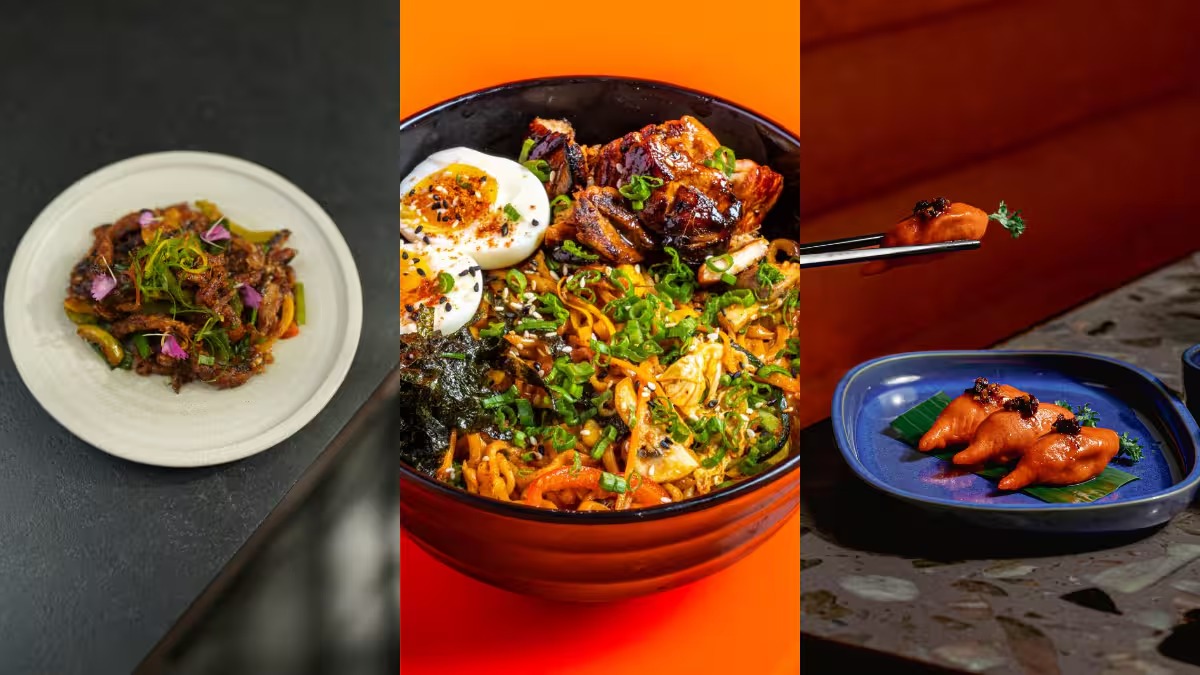
The year 2026 is redefining dining culture with the rise of the “sharing burger” and 13 other innovative food trends. From stout-inspired menus and fiber-focused diets to solo dining and sensory-driven snacks, the culinary world is embracing creativity, inclusivity, and bold flavors that reflect evolving consumer lifestyles.
The global food scene is entering 2026 with a wave of experimentation and cultural shifts. The standout trend is the “sharing burger,” designed for communal dining and replacing traditional starters. This concept reflects a growing appetite for shared experiences, where food becomes a social connector. Alongside this, reports highlight a diverse mix of trends ranging from health-conscious choices to indulgent revivals.
Key highlights from the announcement include
-
The sharing burger is emerging as the centerpiece of dining, encouraging group participation and replacing starters.
-
Beamish stout is gaining popularity, with pubs and fashion embracing Guinness-inspired culture.
-
Fiber-rich diets are trending, driven by gut health awareness and GLP-1 buzz.
-
Red meat is making a comeback as plant-based alternatives plateau.
-
Solo dining and personalized single-serve meals are rising, reflecting the “me-me-me” economy.
-
Sensory snacks with bold textures, aromas, and multi-sensory appeal are gaining traction.
-
Cabbage-based dishes are becoming fashionable, part of the “cabbage-core” movement.
-
Blue-colored drinks and vibrant aesthetics are influencing beverage menus.
-
Retail and hospitality sectors are adapting menus to balance indulgence with health-conscious options.
-
Food culture is increasingly shaped by social media, with viral trends driving restaurant innovation.
The 2026 food trends highlight the balance between tradition and innovation. While communal dining experiences like the sharing burger emphasize togetherness, solo dining reflects personalization. Health-driven choices such as fibermaxxing coexist with indulgent revivals like red meat and stout culture, showcasing the diversity of consumer preferences.
As restaurants, pubs, and food brands adapt to these shifts, 2026 promises to be a year where dining is not just about taste but also about identity, community, and creativity.
Sources: Daily Mail, Taste of Home, Food & Wine