



Tabasco began in 1868 when Edmund McIlhenny crafted a fiery pepper sauce on Avery Island, Louisiana. Using aged red peppers, vinegar, and salt, he bottled a recipe that became iconic. Today, Tabasco is sold in 195 countries, generating $1B+ in annual sales, with steady growth fueled by global cuisine trends.
The story of Tabasco is one of heritage, flavor, and resilience. In 1868, banker-turned-entrepreneur Edmund McIlhenny began experimenting with red peppers grown on Avery Island, Louisiana. He aged them in oak barrels with salt from the island’s mines, creating a fiery sauce that quickly became popular.
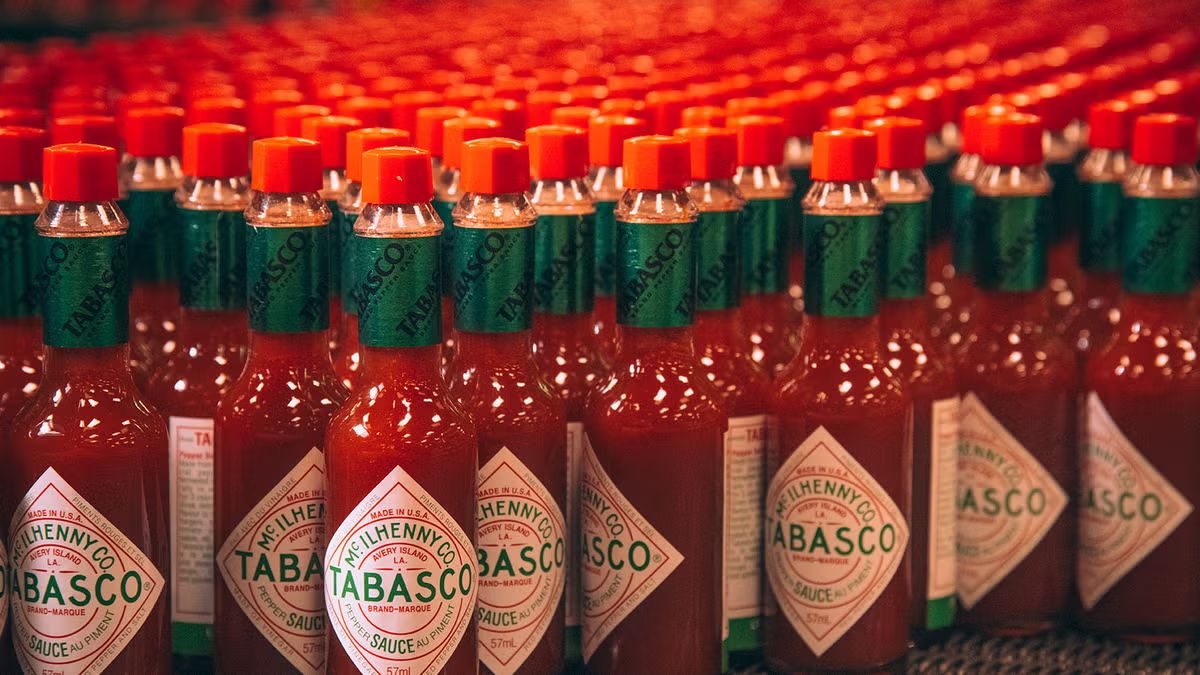
By the late 19th century, Tabasco was already being exported to Europe, making it one of America’s earliest global food brands. Its distinctive diamond-shaped logo and small glass bottles became instantly recognizable.
Unlike many food companies, Tabasco remains family-owned, with the McIlhenny family still running operations from Avery Island. This continuity has preserved its authenticity while allowing innovation.
Fast forward to 2025, Tabasco is sold in 195 countries, with annual sales exceeding $1B. Its growth is fueled by the global popularity of spicy food, collaborations with restaurants, and new product lines like smoked chipotle and habanero sauces. Tabasco has also invested in sustainability, protecting Avery Island’s wetlands and sourcing responsibly.
Notable Updates & Major Takeaways
-
Origin: Founded in 1868 by Edmund McIlhenny on Avery Island, Louisiana.
-
Global Reach: Sold in 195 countries, making it one of the most international condiments.
-
Revenue Growth: Generates $1B+ annually, with steady growth in 2025.
-
Innovation: Expanded into flavors like chipotle, habanero, and jalapeño.
-
Family-Owned: Still run by the McIlhenny family after more than 150 years.
-
Sustainability: Protects Avery Island wetlands and invests in eco-friendly practices.
Closing Note
Tabasco’s journey from a family recipe to a global spice leader proves that authenticity and innovation can coexist. By bottling tradition and embracing modern tastes, Tabasco didn’t just spice up food — it spiced up culture worldwide.
Sources: Tabasco Official History, Statista, Food Business News