


Image Source: Youtube
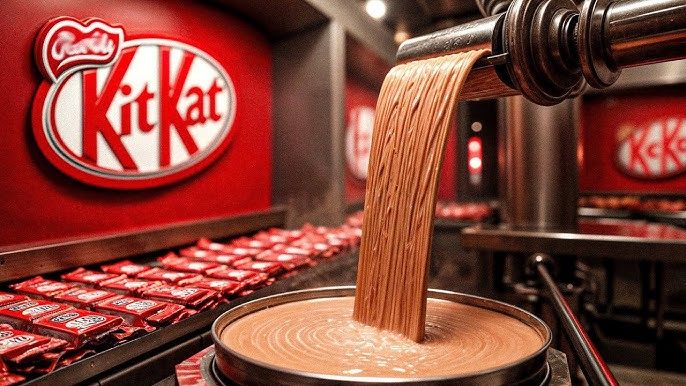
KitKat began in 1935 as “Rowntree’s Chocolate Crisp” in York, England. During WWII, milk shortages forced it into a dark chocolate version, keeping the brand alive. Today, KitKat is owned by Nestlé, sold in 100+ countries, and generates $2B+ annually, with Japan leading innovation through 300+ unique flavors.
Show more
KitKat’s journey is a masterclass in resilience and reinvention.
The Humble Beginning (1935): Launched by Rowntree’s in York, England, KitKat was originally called “Chocolate Crisp.” The name “KitKat” was inspired by a London literary club known for witty gatherings.
Wartime Adaptation (1940s): World War II brought milk shortages, forcing KitKat into a dark chocolate formula. Packaging even carried a message: “KitKat now made with plain chocolate.” This adaptation ensured survival during rationing and kept the brand relevant.
Post-War Boom: After WWII, KitKat returned to milk chocolate and quickly became a household favorite across the UK and Europe. Its slogan “Have a break, have a KitKat” became one of the most enduring taglines in advertising history.
Global Expansion (1988 onwards): Nestlé acquired Rowntree’s, propelling KitKat into 100+ countries. Japan emerged as a cultural epicenter, introducing 300+ flavors from matcha green tea to sake turning KitKat into a collectible phenomenon.
Modern Success (2025): KitKat generates $2B+ annually, with strong growth in Asia and innovation in plant-based chocolate. Sustainability initiatives, including recyclable packaging, align the brand with eco-conscious consumers.
Key Highlights & Major Takeaways
Origin: Born in 1935 in York, England as “Chocolate Crisp.”
Unique Fact: Survived WWII by reformulating into dark chocolate due to milk rationing.
Global Reach: Sold in 100+ countries, with Japan leading flavor innovation.
Revenue Growth: Generates $2B+ annually in 2025.
Cultural Impact: Iconic slogan “Have a break, have a KitKat” remains timeless.
Future Outlook: Expanding into plant-based chocolate and eco-friendly packaging to meet modern demands.
Closing Note
KitKat’s story proves that survival through scarcity can spark global success. From wartime rationing to modern flavor innovation, KitKat didn’t just break into pieces it broke into culture, becoming one of the world’s most beloved chocolate bars.
Sources: Nestlé Official KitKat History, BBC, Statista
Stay Ahead – Explore Now!
WOW STORY OF THE DAY YETI’s Cool Comeback: From Ice Boxes to Global Lifestyle Icon

Advertisement
Advertisement