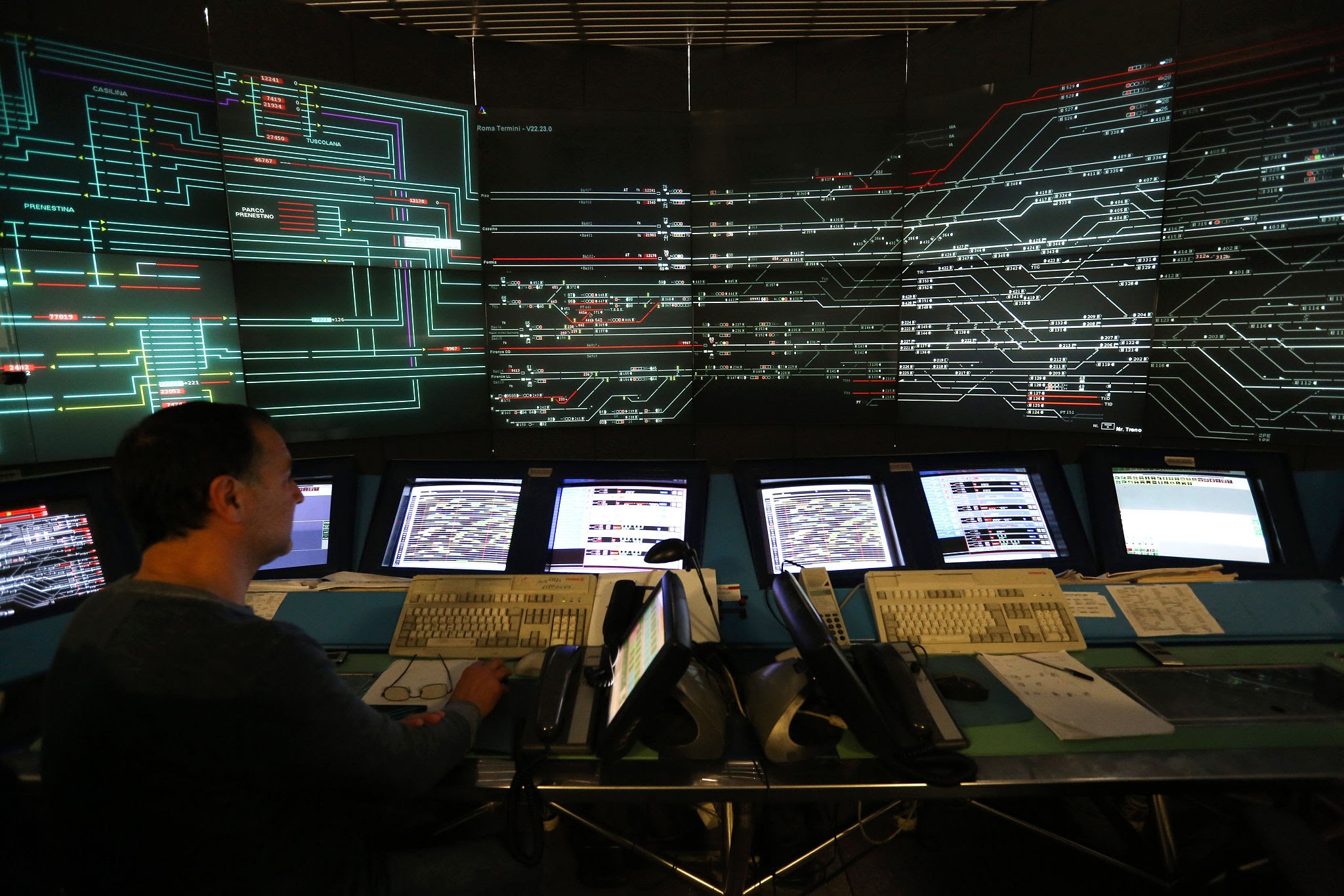
Engineering firm NOVA has announced a strategic ₹100 crore investment focused on railway safety research and development over three years. The initiative targets advanced collision-avoidance systems while addressing rising cybersecurity risks in software-driven rail networks, ensuring automated signals remain protected from external digital threats.
NEW DELHI — Technology and engineering firm NOVA announced a ₹100 crore allocation on June 22, 2026, dedicated entirely to research and development (R&D) in railway safety infrastructure. Speaking at an industrial technology summit in New Delhi, corporate executives confirmed that the capital injection will target next-generation automatic train protection systems while issuing a stark advisory regarding escalating cybersecurity risks in interconnected rail networks. This developmental pivot comes at a critical time when state-run networks are rapidly modernizing physical signaling architecture into software-driven platforms.
Expanding R&D for Next-Generation Train Protection
According to regulatory filings submitted by the firm, the newly approved ₹100 crore allocation will be distributed over a three-year fiscal cycle. The primary objective is the advancement of indigenous collision-avoidance mechanisms and signaling modules that integrate seamlessly with existing high-density rail pathways.
Engineering teams at the company's technical centers will focus on enhancing real-time data processing speeds for on-board equipment. As transit systems scale up operational speeds across major corridors, the demand for localized hardware that can calculate braking distances dynamically has surged. Company data indicates that optimizing these feedback loops can reduce emergency intervention delays significantly, directly supporting safety protocols on high-traffic passenger lines.
Addressing Critical Cybersecurity Weaknesses in Rail Networks
As part of the announcement, technical directors flagged critical vulnerabilities within current transport communication systems. The shift away from legacy mechanical relays to Internet-of-Things (IoT) sensors and Long-Term Evolution (LTE)-based networks has expanded the potential attack surface for hostile digital actors.
The corporate advisory emphasized that contemporary signaling systems rely heavily on continuous wireless communication between locomotives, trackside electronic components, and regional control hubs. A breach or spoofing attempt on these frequencies could theoretically lead to unauthorized speed adjustments or false signal displays. Consequently, a substantial portion of the new investment will fund the development of encrypted cryptographic keys and decentralized verification systems designed to insulate automated train controls from external digital manipulation.
Impact on Passengers, Investors, and the Transport Ecosystem
The integration of advanced safety tech carries measurable implications across multiple sectors of the economy:
For Passengers: Enhanced automated safety systems reduce the risk of human error-related operational disruptions, leading to more predictable travel schedules and minimized collision risks.
For Industrial Investors: Public-private partnerships in specialized rail engineering provide predictable capital deployment options, positioning domestic suppliers to secure long-term infrastructure contracts.
For Freight Operators: Robust cybersecurity prevents malicious network blackouts that can freeze supply chains, ensuring commercial goods move reliably across interstate corridors.
Official Sources Section
The financial parameters and technical scope of this initiative were compiled in accordance with the corporate development blueprint presented by the executive board, alongside official regulatory compliance updates filed with the Ministry of Corporate Affairs. The operational assessments align with current public infrastructure updates published by national transit authorities regarding the nationwide integration of modern train control networks.
Executive Statement
"As transport systems transition rapidly into fully automated, software-dependent networks, physical safety can no longer be decoupled from digital security," stated engineering directors during the corporate briefing. "According to officials, the upcoming allocation will directly address the convergence of operational mechanics and advanced cybersecurity to ensure that automated emergency interventions remain resilient against unauthorized access."
Why It Matters
The practical implications of upgrading transport safety frameworks extend far beyond immediate corporate performance. Modern rail networks serve as the economic backbone for high-volume freight and mass transit. A single systemic failure caused by structural bugs or external software interference can paralyze freight corridors, leading to severe downstream economic losses for industrial supply chains. By proactively funding targeted R&D into secure automated signaling, the initiative creates a technical template for reinforcing critical public infrastructure against both physical failure and sophisticated digital threats.
Key Facts at a Glance
Capital Allocation: A total of ₹100 crore dedicated exclusively to railway safety research and development over the next three fiscal years.
Core Technical Focus: Upgrading automated collision-avoidance hardware and developing localized real-time data processing modules.
Primary Risk Highlighted: Vulnerabilities in wireless LTE networks and localized IoT tracking sensors utilized in automated signaling.
Strategic Goal: Providing encrypted, tamper-resistant communication interfaces between moving locomotives and stationary trackside control hubs.
Frequently Asked Questions
What is the primary objective of the ₹100 crore investment?
The funding is directed at accelerating the research and development of highly resilient railway safety systems, focusing specifically on hardware upgrades and advanced software verification for automated train controls.
Why are cybersecurity risks increasing in modern rail operations?
As older mechanical signals are systematically replaced with wireless networks, digital sensors, and internet-connected control loops, the system becomes exposed to potential software bugs, network intrusions, and wireless signal tampering.
How does this development affect everyday train commuters?
By refining the technology that automatically stops trains when a danger signal is passed, the system lowers the probability of accidents stemming from human operational oversight, leading to safer and more consistent transit.
Source: Ministry of Corporate Affairs Regulatory Filings, NOVA Corporate Development Desk