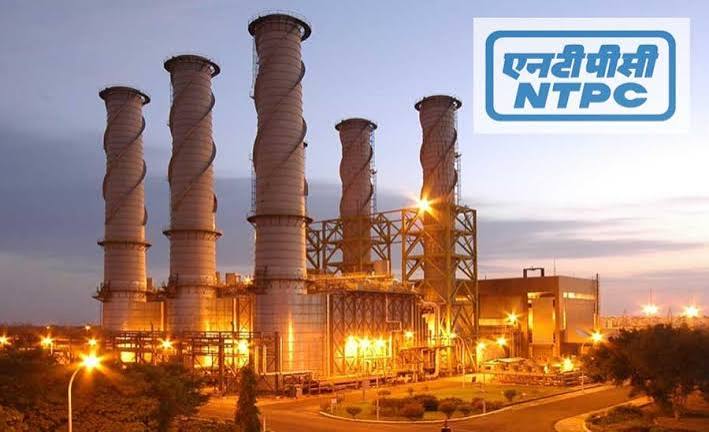
NTPC Limited is scouting overseas uranium assets to fuel its 30 GW nuclear energy expansion. Supported by the 2025 SHANTI Act, the power giant is pivoting toward standalone nuclear power development to supplement India’s 100 GW national target, ensuring fuel security for its future fleet of Pressurised Water Reactors.
NTPC Limited, India’s state-owned power giant, is moving to secure long-term fuel supplies by seeking to invest in overseas uranium assets. The move comes as the company accelerates its transition toward non-fossil fuel energy, with a stated objective of adding 30 GW of nuclear power capacity independently by 2047. As India ramps up its national nuclear target to 100 GW by the same year, NTPC is positioning itself as a key developer, necessitating a reliable and sustainable stream of nuclear fuel.
According to official bid documents, the company cited the "limitations of domestic fuel and mining reserves" as the primary driver for its international exploration. While NTPC currently relies on established energy sources like coal, gas, and solar, the shift toward nuclear power represents a strategic diversification aimed at providing round-the-clock, high-quality base load power.
Strategic Shift Toward Nuclear Power
NTPC's push into the nuclear sector follows the landmark "SHANTI Act" (Sustainable Harnessing and Advancement of Nuclear Energy for Transforming India) enacted in December 2025. This legislation overhauled India’s nuclear sector, opening the door for private and independent power producers to set up plants and significantly capping supplier liability—a move that has cleared the regulatory path for NTPC to expand its nuclear portfolio.
The company is currently pursuing a dual-track strategy:
Joint Ventures: NTPC is developing the 2,800 MW Mahi Banswara project in Rajasthan through ASHVINI, a joint venture with the Nuclear Power Corporation of India Ltd (NPCIL).
Standalone Projects: Through its subsidiary, NTPC Parmanu Urja Nigam Ltd (NPUNL), the company is independently scouting sites across 14 states for large-scale Pressurised Water Reactor (PWR) projects.
Securing the Fuel Chain
To support this massive infrastructure build-out, NTPC has board approval for a draft Memorandum of Understanding (MoU) with the Uranium Corporation of India Limited (UCIL) to conduct joint techno-commercial due diligence on potential overseas uranium assets. This partnership is designed to navigate the complexities of international mining and resource acquisition, ensuring the company can source the necessary radioactive metal directly.
India is concurrently expanding its international fuel partnerships. During recent high-level diplomatic visits, the nation finalized agreements to import uranium from Australia, adding to existing supply chains involving Russia, Uzbekistan, and Canada. NTPC’s direct investment in overseas mines would complement these government-to-government agreements, providing a strategic buffer for its future fleet of reactors.
Why It Matters
The acquisition of overseas uranium assets is vital for the long-term viability of India’s energy transition. As solar and wind power remain intermittent, nuclear energy offers a robust alternative that provides reliable, emission-free base load electricity. By securing its own fuel supply, NTPC mitigates the risk of global price volatility and supply chain disruptions, ensuring that its massive planned investment in nuclear infrastructure delivers consistent results for India’s power grid.
Key Facts at a Glance
Nuclear Target: NTPC aims to build 30 GW of independent nuclear capacity by 2047.
National Goal: India plans to reach 100 GW of total nuclear power capacity by 2047.
Fuel Security: NTPC is actively seeking overseas uranium mines to supplement domestic supply.
Regulatory Backing: The SHANTI Act (Dec 2025) allows independent power producers to enter the nuclear generation sector.
Collaborations: The company has entered non-disclosure agreements with global technology leaders, including Russia’s Rosatom and France’s EDF, to explore PWR-based projects.
FAQ
Why does NTPC need to acquire uranium assets overseas?
Domestic uranium reserves are insufficient to meet the massive requirements of the 30 GW nuclear capacity addition plan. Overseas acquisition ensures long-term fuel security and price stability.
What is the significance of the SHANTI Act?
The SHANTI Act overhauled India’s nuclear sector, allowing entities like NTPC to enter the nuclear power market independently and capping supplier liability, which was previously a major hurdle for private investment.
How is NTPC managing its nuclear projects?
NTPC operates on two fronts: developing large projects like the Mahi Banswara plant through a joint venture with NPCIL, and planning standalone projects through its subsidiary, NPUNL.
Source: NTPC Limited, Ministry of Power, Government of India, Economic Times EnergyWorld, Financial Post