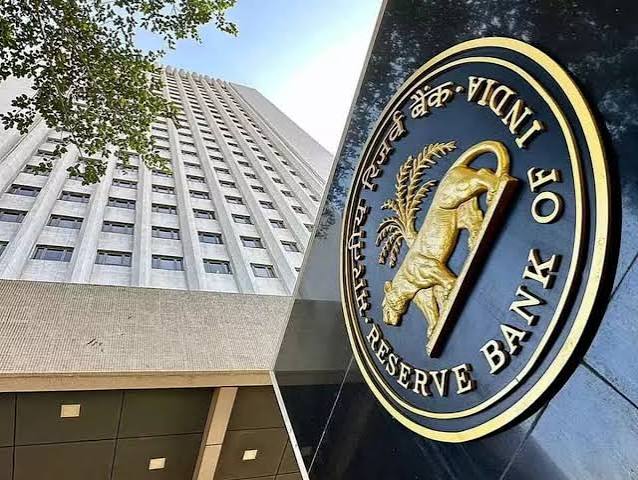
The Reserve Bank of India successfully raised ₹32,000 crore in a government bond auction on July 10, 2026. The sale involved the re-issue of 2031 and 2066 securities, witnessing high demand that resulted in partial allotment rates of 30.81% and 60.35%, respectively, with settlement scheduled for July 13.
MUMBAI – The Reserve Bank of India (RBI) conducted a competitive auction for Government of India dated securities on Friday, attracting robust participation from institutional investors. The central bank successfully raised a total of ₹32,000 crore across two specific tenures, effectively meeting the government’s borrowing target for the week as part of its ongoing fiscal management program.
The auction involved the re-issue of two existing government bonds: the 6.36% Government Security (GS) 2031 and the 7.71% GS 2066. The process was managed through the RBI’s Mumbai office using the multiple price method, with bids processed via the e-Kuber core banking system.
Details of the 2066 and 2031 Bond Auction
Investor appetite remained strong across the yield curve, particularly for the longer-duration paper. The auction results provided a clear picture of market demand:
2066 Bond Results: The RBI accepted 63 bids for a total of ₹109.65 billion out of 262 competitive bids received for ₹331.04 billion. The allotment process saw a partial allotment of 60.35% for the successful bids in this category.
2031 Bond Results: For the 6.36% GS 2031 security, the central bank accepted 44 bids for a total of ₹209.96 billion against 235 bids totaling ₹598.18 billion. This segment saw a partial allotment of 30.81% for participating bidders.
Operational Execution
The auction process, which commenced at 10:30 a.m. for non-competitive bidders, saw significant interest from both institutional and retail participants. By utilizing the e-Kuber platform, the Reserve Bank of India ensured a transparent and efficient bidding process.
According to officials, successful bidders are required to complete their payments by Monday, July 13, 2026. The securities, which were also eligible for "When Issued" trading leading up to the auction date, will now be integrated into the secondary market, providing liquidity for investors and traders alike.
Why It Matters
Government bond auctions are essential for the central bank to manage market liquidity and finance the government's fiscal deficit. For the broader financial market, the results of this auction serve as a key indicator of interest rate expectations and the overall risk appetite among institutional investors. Successful placement of these securities at competitive yields helps in stabilizing the sovereign debt market, which in turn influences corporate borrowing costs across the economy.
Key Facts at a Glance
Total Amount Raised: ₹32,000 crore.
Settlement Date: July 13, 2026.
2066 Bond Participation: 262 bids received; 60.35% partial allotment.
2031 Bond Participation: 235 bids received; 30.81% partial allotment.
Platform Used: RBI e-Kuber system.
FAQ
1. What was the total amount raised in the RBI bond auction?
The Reserve Bank of India raised a total of ₹32,000 crore through the auction of dated securities.
2. Which securities were re-issued during the auction?
The auction involved the 6.36% Government Security (GS) 2031 and the 7.71% GS 2066.
3. What does "partial allotment" mean in this context?
Partial allotment occurs when the number of competitive bids exceeds the notified amount, leading the RBI to distribute the available securities proportionally among bidders who submitted bids at the cut-off price.
4. When will the settlement of these bonds take place?
Successful bidders are scheduled to make their payments on Monday, July 13, 2026.
Source: Reserve Bank of India (RBI), RBI Retail Direct, Press Information Bureau (PIB)