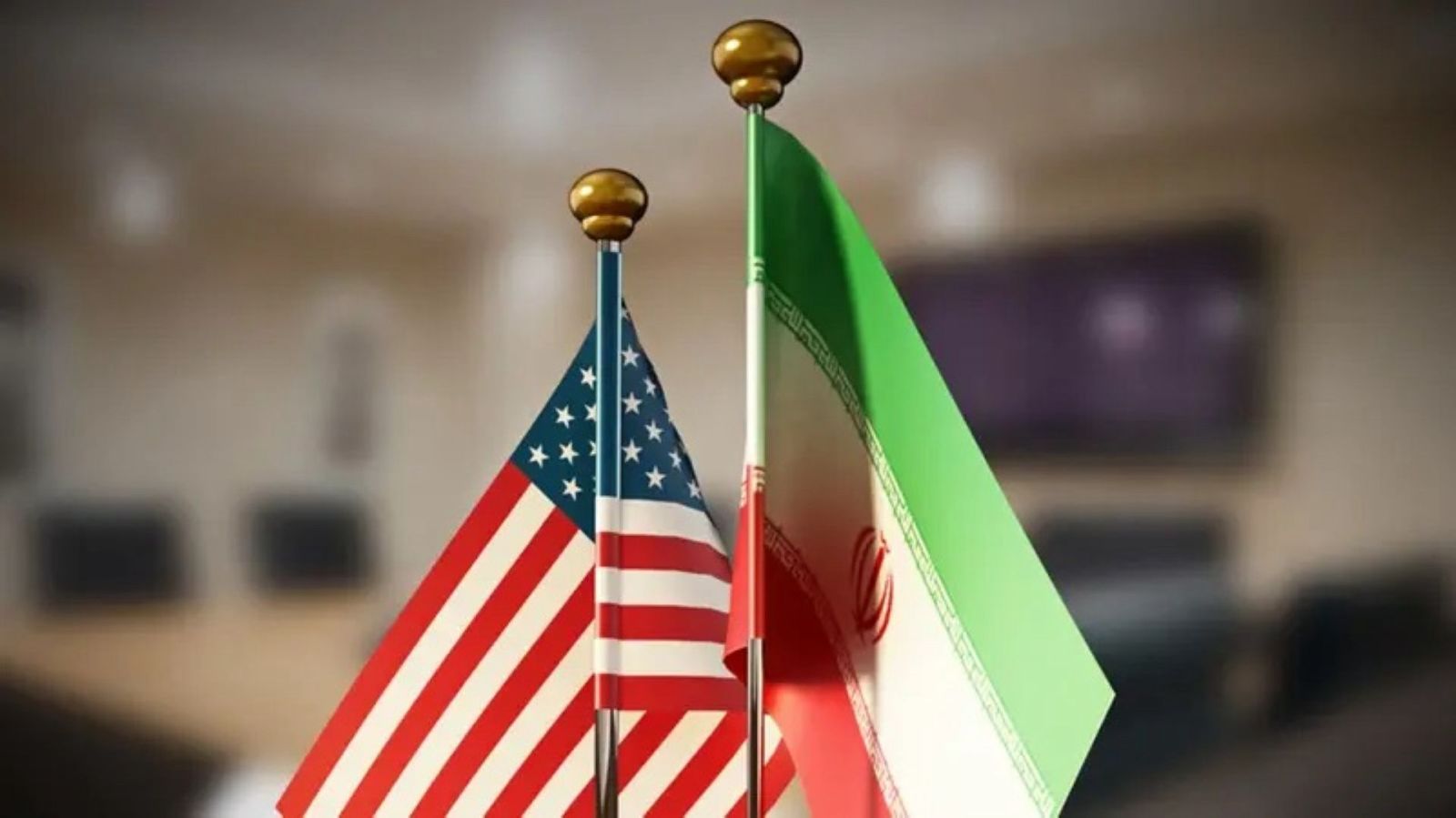
The highly anticipated U.S.-Iran peace summit in Geneva collapsed on Friday after U.S. Vice President JD Vance canceled his trip amid unresolved logistical deadlocks. The cancellation threatens the fragile 60-day ceasefire established by the Islamabad memorandum, as Israel continues its military campaign and domestic critics attack the deal's concessions.
GENEVA — High-stakes bilateral peace talks between the United States and Iran scheduled to take place at the Bürgenstock mountaintop resort near Geneva were abruptly canceled on Friday. The collapse of the summit follows a sudden announcement from the White House that U.S. Vice President JD Vance had canceled his travel plans to Switzerland, throwing regional security expectations into immediate disarray. The failure to convene technical teams comes less than 48 hours after U.S. President Donald Trump and Iranian President Masoud Pezeshkian electronically signed the "Islamabad Memorandum of Understanding," an interim framework intended to establish a 60-day ceasefire and halt a devastating regional war that began on February 28. Diplomatic observers warn that this abrupt cancellation severely clouds the prospects for a lasting, verifiable truce in the Middle East.
Logistical Friction and Implementation Standoffs Abruptly Halt Progress
The sudden cancellation exposed deep underlying distrust and logistical friction between Washington and Tehran. According to statements released by the Swiss Foreign Ministry, the discussions will not take place as planned, though Swiss intermediaries emphasized they remain ready to facilitate future iterations of the four-party talks involving mediators from Qatar and Pakistan.
The primary catalyst for the diplomatic breakdown appears to be a dispute over the sequencing of the interim agreement's terms. Reports from the semi-official Tasnim News Agency in Tehran indicated that Iranian negotiators refused to board flights to Switzerland until they observed tangible evidence that the U.S. Navy had actively begun lifting its naval blockade. Furthermore, Iran’s foreign ministry publicly cast doubt on the necessity of a highly publicized European signing ceremony, arguing that the electronic signatures of both presidents on the primary accord had already rendered the document legally binding.
Domestic Political Backlash and Regional Military Complications
The cancellation of the Geneva summit occurs against a backdrop of severe domestic and international complications for the Trump administration. In Washington, several Republican allies in Congress have publicly broken ranks, questioning whether the White House conceded too much structural leverage to Tehran. Under the initial terms of the Islamabad memorandum, the U.S. agreed to provide sweeping economic sanctions relief, unfreeze tens of billions of dollars in sovereign Iranian assets, and issue immediate maritime waivers for Iranian crude oil exports. Critics have noted that these concessions stand in direct contrast to the administration's initial wartime demand for Iran's "unconditional surrender."
Simultaneously, the durability of any prospective truce remains heavily compromised by regional military realities:
The Israeli Stance: Israel was entirely excluded from the bilateral negotiations and has formally distanced itself from the U.S.-Iran accord.
Ongoing Conflict: The Israel Defense Forces (IDF) have maintained intensive military operations against the Iranian-allied Hezbollah militant group in Lebanon, ignoring the broader ceasefire framework.
The Cost of War: In a related development reported by the Wall Street Journal, the U.S. Department of Defense informed lawmakers that it requires an emergency $80 billion appropriation to cover the unexpected operational costs of the conflict.
Official Sources Section
The details surrounding the cancellation of the diplomatic framework have been verified through official administrative releases from the Swiss Federal Department of Foreign Affairs (FDFA), formal press statements issued by the White House press pool, and official dispatches from the semi-official Tasnim News Agency. Financial cost assessments are based on regulatory filings submitted to the U.S. Congress.
Quote Section
"The logistics of these negotiations have never been simple or predictable," a White House spokesperson stated in an official release on Thursday night, confirming that the U.S. delegation had been fully prepared to depart before arrangements deteriorated.
Why It Matters
The cancellation of these technical talks places a fragile regional ceasefire in immediate jeopardy, directly impacting global energy supply chains and multinational corporate planning. While oil prices dipped slightly following news that tankers had begun testing the reopening of the strategically vital Strait of Hormuz, this diplomatic setback injects renewed volatility into the commodities sector. For global markets and international shipping conglomerates, the lack of a formalized, face-to-face treaty means the threat of a renewed naval blockade or escalated drone warfare remains acutely high.
Key Facts at a Glance
Summit Collapse: The Swiss Foreign Ministry confirmed that the highly anticipated Bürgenstock technical talks scheduled for Friday have been called off.
Vance Withdraws: U.S. Vice President JD Vance canceled his planned departure for Geneva following unresolved structural and logistical deadlocks.
Sanctions Disconnect: Tehran demanded immediate verification of U.S. naval blockade waivers before sending its diplomatic corps to Switzerland.
Human and Financial Toll: The conflict, which began on February 28 with joint U.S. and Israeli airstrikes, has claimed over 7,000 lives and driven up global energy costs.
FAQ Section
Why were the peace talks in Geneva called off?
The talks were canceled due to unresolved logistical deadlocks and disagreements over the sequencing of the interim pact. Iran demanded immediate verification of U.S. sanctions relief before sending negotiators, while the U.S. Vice President canceled his travel following a lack of consensus on the summit's agenda.
Does this mean the 60-day ceasefire is officially over?
Not yet. The "Islamabad Memorandum of Understanding" electronically signed by both presidents remains technically active, extending a tenuous 60-day window. However, the cancellation of technical talks heavily complicates how the terms will be implemented or verified.
Is Israel bound by the terms of the U.S.-Iran agreement?
No. Israel was entirely excluded from the negotiation process, has formally distanced itself from the terms of the memorandum, and continues to execute active military campaigns against Hezbollah forces in Lebanon.
Source: Swiss Federal Department of Foreign Affairs (FDFA), White House Press Office, Tasnim News Agency, The Wall Street Journal.