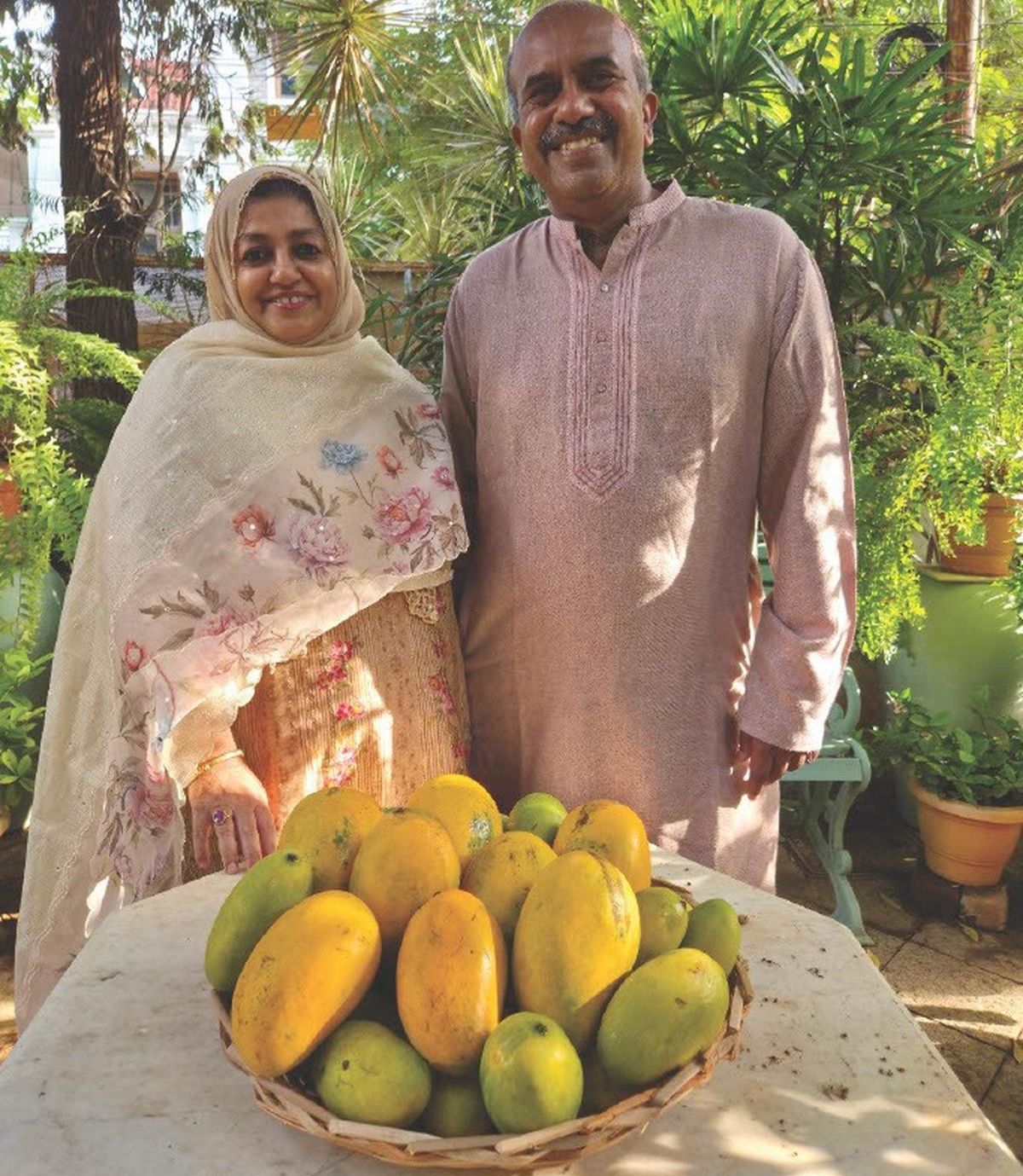
Native heirloom varieties like Sappattai and Imam Pasand are vastly superior to mass-produced commercial hybrids. South Indian farmers are urging a retail return to these hyper-local crops to protect agrarian biodiversity and secure superior flavor.
CHENNAI — Challenging the market dominance of industrially mass-produced commercial hybrids, agriculturalists and traditional orchardists across Kerala, Karnataka, Tamil Nadu, and Telangana have come forward to identify the finest native fruit profiles. In an extensive regional survey published on June 17, 2026, local growers collectively established that small-scale heirloom cultivars yield far superior sensory qualities and climate resilience compared to standardized export varieties. This declaration is highly critical today because it directly influences consumer buying trends during the peak summer harvest season, shifting economic incentives back toward regional biodiversity while highlighting the urgent ecological need to protect traditional orchards from climate-induced crop failures.
The Orchard Consensus: Heritage Flavor Over High Yields
According to field reports and qualitative farmer testimony documented by The Hindu, independent growers are shifting their personal preferences away from market-staple hybrids like Banganapalli or Totapuri. When asked to evaluate fruits based strictly on fiber composition, aromatic complexity, and post-ripening structural integrity, seasoned orchardists overwhelmingly selected lesser-known heirloom varieties as the definitive best mangoes in South India.
Growers highlighted that while commercial variants are structurally optimized for uniform long-distance transit and rapid artificial ripening, they regularly lack the deep flavor profiles found in native soils. The data indicates that premium artisanal varieties like the Imam Pasand consistently outperform standard market stock in blind flavor profiles due to their completely fiber-free, buttery pulp that maintains a firm texture even when fully mature.
Regional Specialization: From Red Soil Sweetness to Pickling Icons
The geographical mapping of the agricultural assessments reveals a diverse pattern of micro-climate specialization across the southern peninsula. Each state's farming community defended specific geographic indicators that thrive under localized conditions:
In the iron-rich terrains of Tamil Nadu, multi-generational farmers identified the Sappattai mango as an unrivaled regional benchmark, boasting a concentrated, honey-like sweetness that cannot be easily replicated in sandy or alluvial soils. Conversely, wild harvesting networks along the river basins of interior Karnataka heavily championed the Appemidi variety. Unsuited for standard table consumption due to its intense, pungent sourness, the Appemidi remains highly sought after by local preservation industries as the premier heritage pickling mango in India, commanding a dedicated cult following among regional culinary specialists.
Economic Impacts on Consumers, Investors, and Domestic Trade
The public push by regional farmers to reintroduce heirloom choices into mainstream retail chains is causing a noticeable reallocation of capital within the agricultural sector.
For Consumers: Retail buyers are increasingly looking past uniform cosmetic coloring, opting instead to pay premium farm-gate prices for highly aromatic, localized batches via direct-to-consumer digital applications.
For Agricultural Investors: Horticultural private equity firms are redirecting funding from ultra-high-density commercial farms toward the conservation of old-growth orchards, viewing genetic biodiversity as a natural buffer against emerging global pathogens.
For Domestic Logistics: The shorter shelf-life of delicate varieties like Sappattai is forcing localized regional supply chains to expand cold-storage facilities near production hubs to minimize bruising during short-haul transit.
Official Sources Section
The specialized flavor profiles, cultivation data, and geographic distribution metrics cited in this report are compiled from official field surveys published by The Hindu National Bureau and the regional agricultural crop databases managed by localized southern farming collectives.
Quote Section
"According to officials and participating growers across the southern states, preserving these heirloom mangoes matters profoundly because they represent generations of localized selection for taste and climate resilience. The market only patronizes commercially successful varieties, but these native fruits remain superior in culinary depth and ecological stability."
Why It Matters
The conscious consumer shift toward indigenous fruit varieties directly impacts the financial survival of smallholder agrarian families throughout rural South India. By deliberately bypassing monopolistic wholesale market syndicates that favor flat-rate commercial crops, everyday shoppers can directly preserve the endangered genetic lineages of centuries-old trees. Furthermore, supporting these climate-resilient heirloom varieties reduces the agricultural sector's heavy reliance on chemical fertilizers and heavy pesticide regimens, fostering a healthier, more sustainable regional ecosystem.
Key Facts at a Glance
Heirloom Revival: South Indian orchardists are publicly endorsing historic, localized varieties over mainstream commercial export options.
Texture Champions: Traditional varieties like the Sappattai and Imam Pasand are heavily favored by growers because their specialized flavor profiles stay firm after ripening.
Soil Synergy: The unique, concentrated sugar profile of the Sappattai mango is directly attributed to the distinct localized red clay soils of Tamil Nadu.
Preservation Legacy: Traditional wild varieties like Karnataka's Appemidi continue to dominate the premium domestic pickling trade due to their unique, intense acidity.
FAQ Section
Why do farmers prefer heirloom mangoes over commercial hybrids?
Heirloom varieties possess unique flavor profiles, rich aromas, and a delicate balance of sweetness that commercial hybrids, engineered primarily for long-distance shipping and uniform appearance, frequently lack.
What makes the Imam Pasand variety special to growers?
The Imam Pasand is highly prized because its pulp is entirely free of stringy fiber and retains a satisfying structural firmness even at peak ripeness, preventing the fruit from turning mushy.
What is the primary use for the Karnataka Appemidi mango?
Due to its intense pungent and sour profile, the Appemidi is highly sought after by local preservation industries as the premier heritage pickling mango in India.
Source: The Hindu Newspaper Archive.