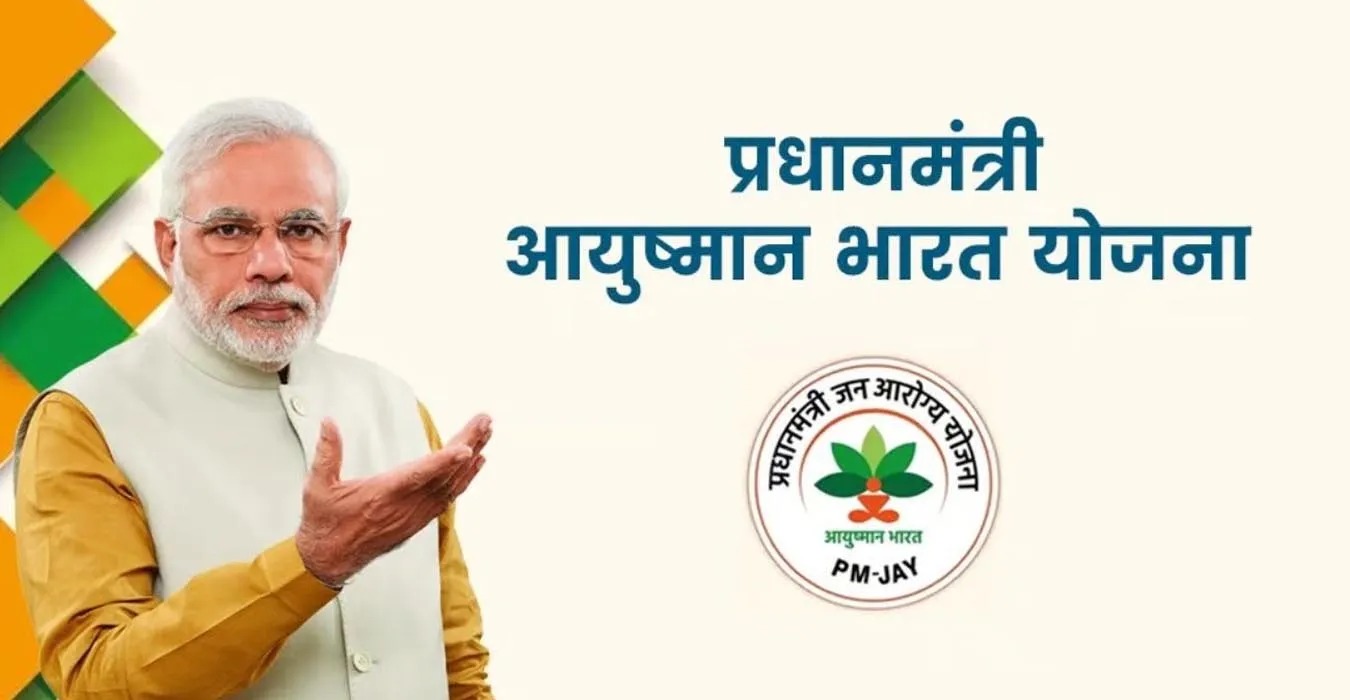
Prime Minister Narendra Modi reviewed India’s healthcare achievements over the past 12 years, emphasizing the global impact of the Ayushman Bharat program. Flagship insurance rollouts, price controls on implants, and expanded generic drug networks have successfully lowered out-of-pocket medical bills and improved healthcare access for vulnerable citizens.
NEW DELHI — Prime Minister Narendra Modi declared that India has firmly established its global identity as the nation operating the world's largest public healthcare programme. In a comprehensive programmatic review released on Sunday, June 14, 2026, the Prime Minister detailed the structural transformation of the country’s medical infrastructure over the past twelve years.
Under the policy banner of "#12YearsOfSwasthBharat," the Union Government highlighted a significant reduction in out-of-pocket medical expenses for economically vulnerable populations. This change has been driven by flagship expansions within the Ayushman Bharat insurance matrix and decentralized generic medicine distribution systems.
The Scale of Universal Health Coverage Metrics
The cornerstone of India’s universal health coverage model remains the Ayushman Bharat Pradhan Mantri Jan Arogya Yojana (AB PM-JAY). Designed to provide a financial safety net against catastrophic health crises, the scheme offers a pre-funded health coverage envelope of up to ₹5 lakh per family per year to eligible beneficiaries for secondary and tertiary hospitalization services.
According to healthcare databases published by the National Health Authority (NHA), the program acts as the primary social security layer for over 55 crore individuals, effectively shielding lower-income households from falling into poverty due to medical debts. Beyond emergency insurance, the structural framework integrates a wide network of Ayushman Arogya Mandirs—localized health and wellness centers that provide primary diagnostic care and preventative health tracking across remote rural blocks.
Interventions on Medical Devices and Essential Drugs
The government’s public health review emphasized that long-term affordability requires direct price interventions within highly commercialized medical device markets. Under regulatory mandates directed by the National Pharmaceutical Pricing Authority (NPPA), price caps were enforced on life-saving medical implants.
Key consumer cost reductions highlighted by the Prime Minister include:
Cardiac Stents: Capping open-market margins brought down the baseline costs of drug-eluting stents by up to 85 percent.
Knee Implants: Centralized pricing caps lowered orthopaedic replacement surgeries into affordable, predictable brackets for senior citizens.
The Jan Aushadhi Impact: The Pradhan Mantri Bharatiya Jan Aushadhi Pariyojana has commercialized generic drug options through thousands of specialized pharmacies, offering essential chronic disease medications at 50 to 90 percent price discounts compared to branded alternatives.
Structural Rebalancing of Medical Education Access
Parallel to consumer pricing intervention, the Ministry of Health has executed an aggressive supply-side expansion to address chronic doctor-to-patient deficits across Tier-2 and Tier-3 cities. Government educational registries demonstrate a coordinated push to establish new medical colleges by upgrading existing district-level general hospitals.
Since 2014, total undergraduate MBBS seats nationwide have expanded by over 110 percent, while postgraduate specialist learning positions have scaled up by more than 115 percent. This institutional scale-up aims to democratize high-level medical education for middle-class students while expanding specialized human infrastructure across previously underserved state interiors.
Official Sources Section
According to official administrative reviews published via the Press Information Bureau (PIB) and detailed policy dashboards from the Ministry of Health and Family Welfare, India's digital health strategy has been formalized through the parallel deployment of the Ayushman Bharat Digital Mission (ABDM). Ministry data logs show that over 50 crore unique Ayushman Bharat Health Accounts (ABHA) have been generated, laying the technical foundation to enable cross-compatible, secure paperless digital health records across public and private hospital chains.
Quote Section
In an official public announcement detailing the twelve-year health milestone, Prime Minister Narendra Modi stated:
"Over the last 12 years, India has worked to make quality healthcare more affordable and accessible. We feel proud when we are known as the nation with the world's largest healthcare programme, Ayushman Bharat, which provides top-quality healthcare to the most vulnerable. Other efforts like PM Bharatiya Jan Aushadhi Pariyojana have made medicines affordable. The prices of stents and knee implants have become affordable, and this has helped many people. At the same time, medical education has become more accessible to people due to more institutions and seats being available. We will keep building on this ground covered so far in order to build a healthy India."
Why It Matters
The formal expansion and integration of universal healthcare networks shift the economic burden away from domestic households, allowing families to channel income toward capital creation instead of volatile medical emergencies. For the commercial healthcare sector, the government’s immense purchasing power alters private hospital dynamics—incentivizing healthcare networks to transition from high-margin luxury diagnostics toward predictable, high-volume insurance-backed treatment packages. On a macroeconomic scale, building a resilient, digitally integrated health grid prevents productivity drops across industrial labor pools and limits state expenditure variances during large-scale disease challenges.
Key Facts at a Glance
Global Footprint: Ayushman Bharat (PM-JAY) is legally documented as the largest publicly financed health assurance framework operational globally.
Financial Protection: The program covers up to ₹5 lakh annually per family for secondary and tertiary critical treatments.
Pharmaceutical Subsidies: The Jan Aushadhi program cuts generic medicine purchase prices for everyday citizens by 50% to 90%.
Device Caps Imposed: Strategic price capping on coronary stents and knee implants has significantly reduced the cost of advanced surgeries.
Academic Doubling: Undergraduate medical education seats across India have more than doubled over the past 12 years to expand local doctor availability.
FAQ Section
Q: Who is legally eligible to claim free treatments under the Ayushman Bharat PM-JAY scheme?
A: Eligibility is determined objectively through the Socio-Economic Caste Census (SECC) data matrix, focusing primarily on economically vulnerable rural households, occupational categories of urban laborers, and families lacking sustainable livelihood assets.
Q: How do Jan Aushadhi generic medicines maintain low prices without losing safety standards?
A: Prices are lower because medications are procured directly from manufacturers in massive bulk volumes by the government, eliminating heavy corporate marketing outlays and middle-tier distributor markups. Every individual batch must clear strict compliance testing at NABL-accredited laboratories before distribution.
Q: What role does the ABHA health account play in regular patient care?
A: The Ayushman Bharat Health Account (ABHA) acts as a secure, universal digital health identifier. It allows citizens to aggregate their medical prescriptions, diagnostic lab reports, and discharge summaries digitally, enabling doctors to access accurate medical histories instantly across any registered hospital in India.
Source: Press Information Bureau (PIB) Cabinet Secretariat, Ministry of Health and Family Welfare Policy Portal, National Health Authority (NHA) Operational Registries.