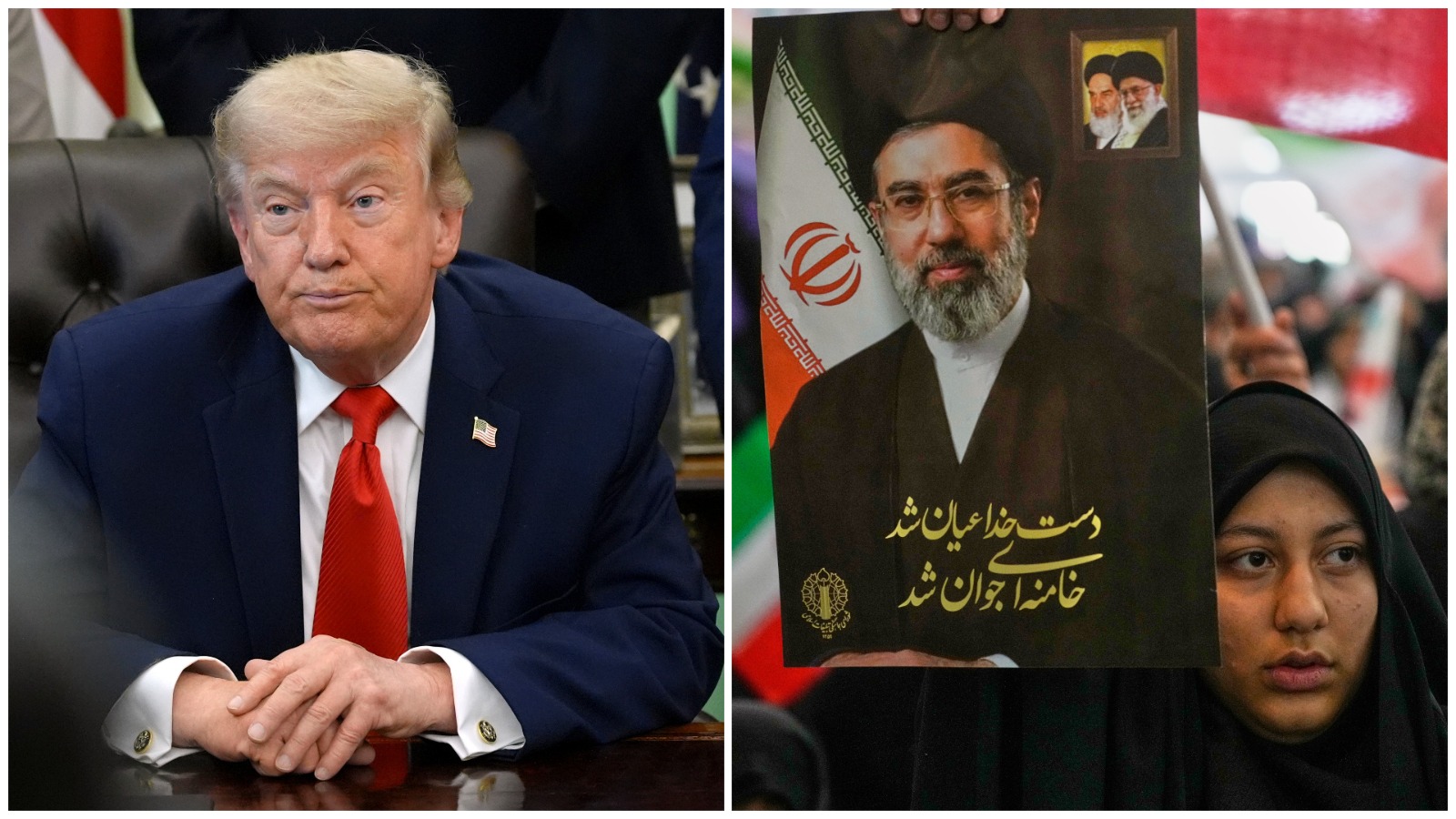
The U.S. and Iran are on the verge of signing a remotely mediated preliminary peace deal to end maritime hostilities. While President Trump expects an immediate reopening of the Strait of Hormuz following a Sunday signing, Tehran urges caution as internal political divisions delay a finalized timeline.
VANCOUVER — A high-stakes diplomatic breakthrough between the United States and Iran has reached a critical bottleneck. U.S. President Donald Trump announced that a preliminary peace agreement is scheduled to be signed remotely today, Sunday, June 14, 2026, forcing an immediate end to the three-month maritime conflict.
The sweeping memorandum of understanding (MoU), mediated by Pakistan, primarily anchors on the immediate reopening of the blockaded Strait of Hormuz. However, the ambitious timeline faces immediate friction. While Washington and Islamabad prepare for a digital, electronic signing ceremony, Iran's Foreign Ministry has publicly pushed back. Tehran states that no final schedule is locked in as internal fractures and hardline protests boil over in the Iranian capital.
The Islamabad MoU: Reopening Hormuz and Postponing Nuclear Details
The emerging accord, colloquially termed the "Islamabad Memorandum of Understanding," seeks to normalize global energy corridors. The Strait of Hormuz—which carried roughly a fifth of the world's liquid petroleum before hostilities broke out on February 28—will be opened to all international commercial shipping immediately upon signatures.
The structural design of the deal intentionally decouples immediate maritime de-escalation from long-term nuclear limits. According to senior White House officials, the MoU sets up an extendable 60-day ceasefire framework.
Under these conditions:
The Immediate Phase: The U.S. will lift its naval blockade on Iranian ports, and Iran will guarantee safe, unhindered maritime passage.
The Deferred Phase: Deeper nuclear issues—including the dismantling of Iran's enrichment facilities and the transfer of its uranium stock out of the country via B-2 bombers—will be deferred to technical-level negotiations starting next week.
Conflicting Narratives and Propaganda War
Despite the diplomatic progress, a fierce information war has erupted between Washington and Tehran regarding the true terms of the text. President Trump has adamantly ruled out any upfront financial exchange or cash transfers, emphasizing that economic rewards are strictly performance-based. "Unlike past arrangements, no money will change hands upon signing," Trump asserted on Truth Social.
Conversely, Iranian state media and Foreign Minister Abbas Araghchi have framed the MoU domestically as a strategic victory, claiming it guarantees the preservation of territorial sovereignty and a path to release $24 billion in frozen offshore assets. White House spokespersons swiftly rejected these figures, calling them "inaccurate propaganda" designed to sell the deal to a skeptical internal population.
Official Sources Section
According to official administrative press releases published via the White House Briefing Room and diplomatic logs from Pakistan’s Foreign Office, the remote electronic signing protocols have been technically finalized. The Ministry of Foreign Affairs Pakistan confirmed that Prime Minister Shehbaz Sharif has coordinated with both warring parties to establish the secure digital infrastructure required to formalize the truce without requiring a physical bilateral summit.
Quote Section
Expressing firm confidence in the digital peace framework, U.S. President Donald Trump posted:
"The Deal is scheduled to get signed tomorrow, and immediately after it is signed, the Hormuz Strait is OPEN TO ALL. Our relationship with Iran is a much different and better one than previous Administrations have had. Hopefully, this process will all work out quickly, easily, and smoothly. If it doesn't, we have the ultimate alternative!"
Conversely, Esmaeil Baghaei, spokesperson for the Iranian Foreign Ministry, urged caution during a state broadcast:
"According to officials and our diplomatic teams, while negotiations have never been closer to a preliminary framework, text elements remain subject to supreme domestic review. A final signing ceremony cannot be verified for Sunday until all internal consensus mechanisms are completely satisfied."
Why It Matters
The potential remote finalization of the US-Iran pact holds massive practical implications for global energy markets, logistics companies, and regional security architectures. Reopening the Strait of Hormuz will immediately ease global supply constraints, potentially lowering Brent crude prices and reducing international maritime freight insurance premiums. For global consumers, this helps cool transport-driven inflation. However, the exclusion of Iran's regional missile programs and the deferral of nuclear dismantling have already sparked intense pushback from hardliners in Tehran and defense planners in Israel, highlighting that this MoU is a fragile tactical pause rather than a permanent peace.
Key Facts at a Glance
Hormuz Opening: The primary immediate outcome of the signed MoU is the unblocking of the Strait of Hormuz to global shipping.
Remote Signing: Due to logistical constraints, Pakistan has prepared an electronic, digital signing platform for Sunday, June 14.
Nuclear Delay: Broad structural nuclear dismantling and uranium exports are deferred to a 60-day post-signing negotiation window.
No Cash Upfront: The White House has officially refuted claims that Iran will receive billions in immediate asset releases upon signing.
Internal Backlash: Iranian hardliners and protesters have gathered outside the Foreign Ministry in Mashhad, condemning the deal as a concession.
FAQ Section
Q: Is this agreement a final, comprehensive peace treaty between the US and Iran?
A: No. Officials on both sides emphasize that this is a preliminary Memorandum of Understanding (MoU) designed to establish an immediate 60-day ceasefire and reopen shipping lanes. It serves as a framework for future, more intensive technical and nuclear talks.
Q: Why is the deal being signed remotely instead of at a formal diplomatic summit?
A: Given the ongoing hostility and security protocols, a remote digital signing ceremony via Pakistan's mediation allows both administrations to enact the truce instantly without the political complications of a physical meeting.
Q: What are the main objections from critics of this proposed agreement?
A: U.S. and regional critics argue the deal fails to permanently curb Iran's regional proxy funding and ballistic missile programs. Meanwhile, Iranian hardliners argue that reopening Hormuz gives away Tehran's strongest geopolitical leverage without securing upfront sanctions relief.
Source: White House Press Briefing Repository, Ministry of Foreign Affairs Pakistan Official Statements, BBC International News Desk, The Hindu International Liveblog.