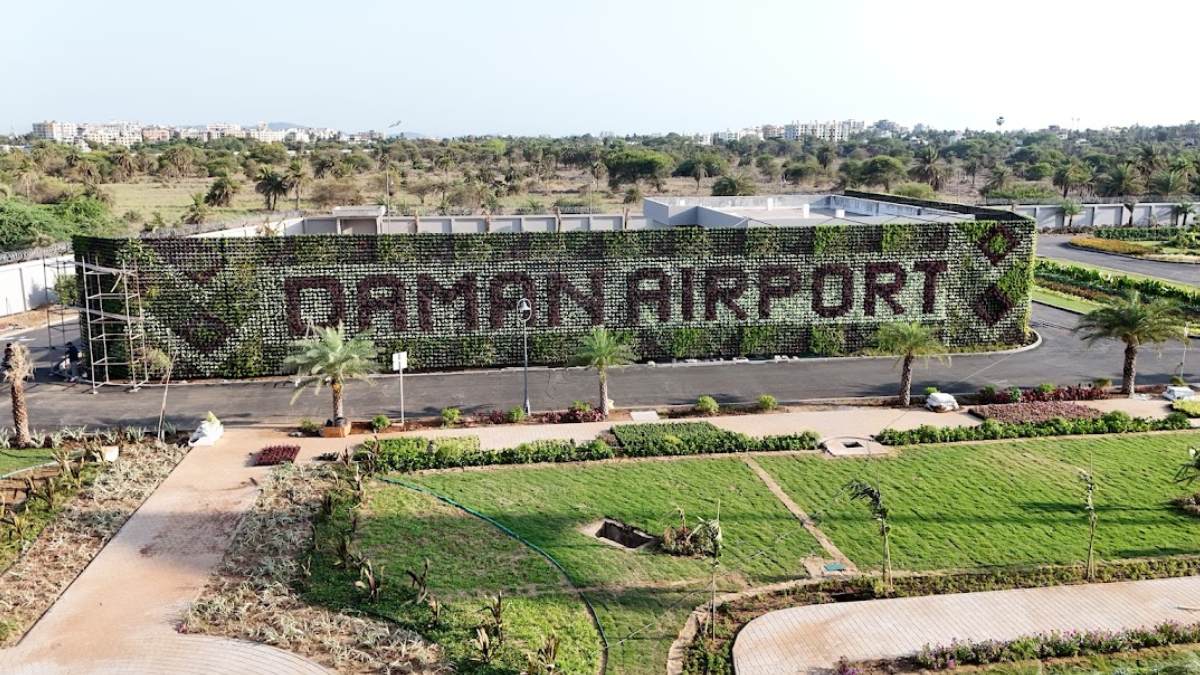
Prime Minister Narendra Modi has inaugurated the new passenger terminal building of NAMO Airport in Daman. The infrastructure project transitions the facility into a fully functional commercial aviation hub, designed to accelerate regional tourism, streamline corporate logistics for local industries, and enhance travel options across the union territory.
DAMAN — Prime Minister Narendra Modi officially inaugurated the new terminal building of NAMO Airport in Daman on June 5, 2026. The high-profile infrastructure event, attended by senior union territory administrators and federal aviation ministry officials, marks a structural shift in the region's transport network. This development is important today because it establishes direct, high-capacity commercial aviation access to a vital industrial and coastal tourism enclave, reducing dependency on adjacent mainland transit hubs and lowering travel times for domestic commuters.
Enhanced Infrastructure to Boost Regional Aviation Growth
The newly constructed terminal building at NAMO Airport is engineered to manage a substantial upgrade in passenger traffic volumes. Prior to this expansion, the aviation site primarily supported limited military logistics and small-scale chartered flights. By constructing a modern passenger terminal, the government aims to integrate Daman directly into the main domestic aviation grid, inviting scheduled commercial carriers to operate daily routes.
According to technical specifications released by airport engineers, the new terminal features modular check-in counters, advanced baggage handling systems, and streamlined security checkpoints designed to handle peak-hour passenger surges. The architectural design incorporates energy-efficient lighting and localized water-harvesting systems, matching modern green infrastructure standards mandated for newly developed public transport hubs across India.
Expanding the Regional Connectivity Grid
The transformation of NAMO Airport forms part of a broader federal push to enhance regional air connectivity across smaller union territories and Tier-2 economic zones. Tourism and civil aviation boards project that the updated terminal will allow direct narrow-body aircraft operations, linking Daman to major corporate capitals including Mumbai, Ahmedabad, and New Delhi without requiring multi-hour road transfers.
Economic Impact on Businesses, Citizens, and Tourism
The opening of the new terminal building is expected to generate immediate economic benefits for multiple sectors within the union territory. For everyday citizens and local travelers, the operational terminal provides a direct, accessible gateway for medical, educational, and business travel, eliminating the need to take lengthy train or road journeys to distant airports.
For business owners and manufacturing enterprises operating within the industrial estates of Daman and Silvassa, the airport serves as a significant logistical asset. Corporate executives, international clients, and specialized technical teams can now fly directly to the region, accelerating corporate workflows and boosting local investment potential. Furthermore, the hospitality sector stands to benefit from a steady influx of weekend travelers and coastal tourists looking for faster travel options.
Official Sources Section
The engineering timelines, operational capacities, and structural funding parameters were compiled through statutory releases issued by the Ministry of Civil Aviation. Regional land allocation blueprints and connectivity projections are maintained under the administration of Daman and Diu. Corporate project disclosures and contractor updates regarding public works are tracked via public reporting dashboards on BSE Limited and the National Stock Exchange of India Limited.
Quote Section
Sovereign and administrative heads highlighted the long-term economic strategy underpinning the aviation expansion during the opening ceremonies.
"According to officials from the regional development desk, the completion of the new terminal building unlocks the true economic potential of the coastal union territory," Prime Minister Narendra Modi stated during his inaugural address. "Organizers stated that upgrading our secondary airports ensures that smaller industrial hubs can participate equally in the national manufacturing and logistics expansion."
Why It Matters
The practical implications of upgrading NAMO Airport center heavily on localized economic diversification. Historically reliant on traditional manufacturing and local trade, Daman can now leverage high-speed transport infrastructure to position itself as a major corporate conference hub and premium seaside tourism destination. Additionally, the expanded airport boosts regional security and emergency response capabilities, providing a reliable staging area for humanitarian assistance and medical evacuation flights during monsoon weather events.
Key Facts at a Glance
Inaugural Milestones: Prime Minister Narendra Modi formally opened the new terminal building of NAMO Airport in Daman.
Capacity Expansion: Engineered to handle regular scheduled commercial passenger flights, shifting the facility away from exclusive military and charter use.
Strategic Transit: Designed to establish direct flight paths to major economic centers, including Mumbai and Ahmedabad.
Green Standards: The architecture utilizes modern sustainability frameworks, including energy-efficient systems and resource recycling.
FAQ Section
Which commercial airlines will operate out of the new Daman terminal?
The Ministry of Civil Aviation is currently reviewing route applications from major domestic low-cost carriers, with final flight schedules and carrier selections expected in the coming weeks.
How far is the NAMO Airport terminal from the central industrial zones?
The terminal building is strategically situated within the urban perimeter of Daman, allowing corporate travelers to reach local industrial sectors and seaside hotels within a brief driving window.
Does the new terminal support international flight operations?
At launch, the facility is designated entirely for domestic flight operations. Future expansions to support international charters will depend on passenger traffic trends and regulatory security assessments over consecutive fiscal cycles.
Source: Ministry of Civil Aviation Project Status Portals, Prime Minister's Office Official Briefings