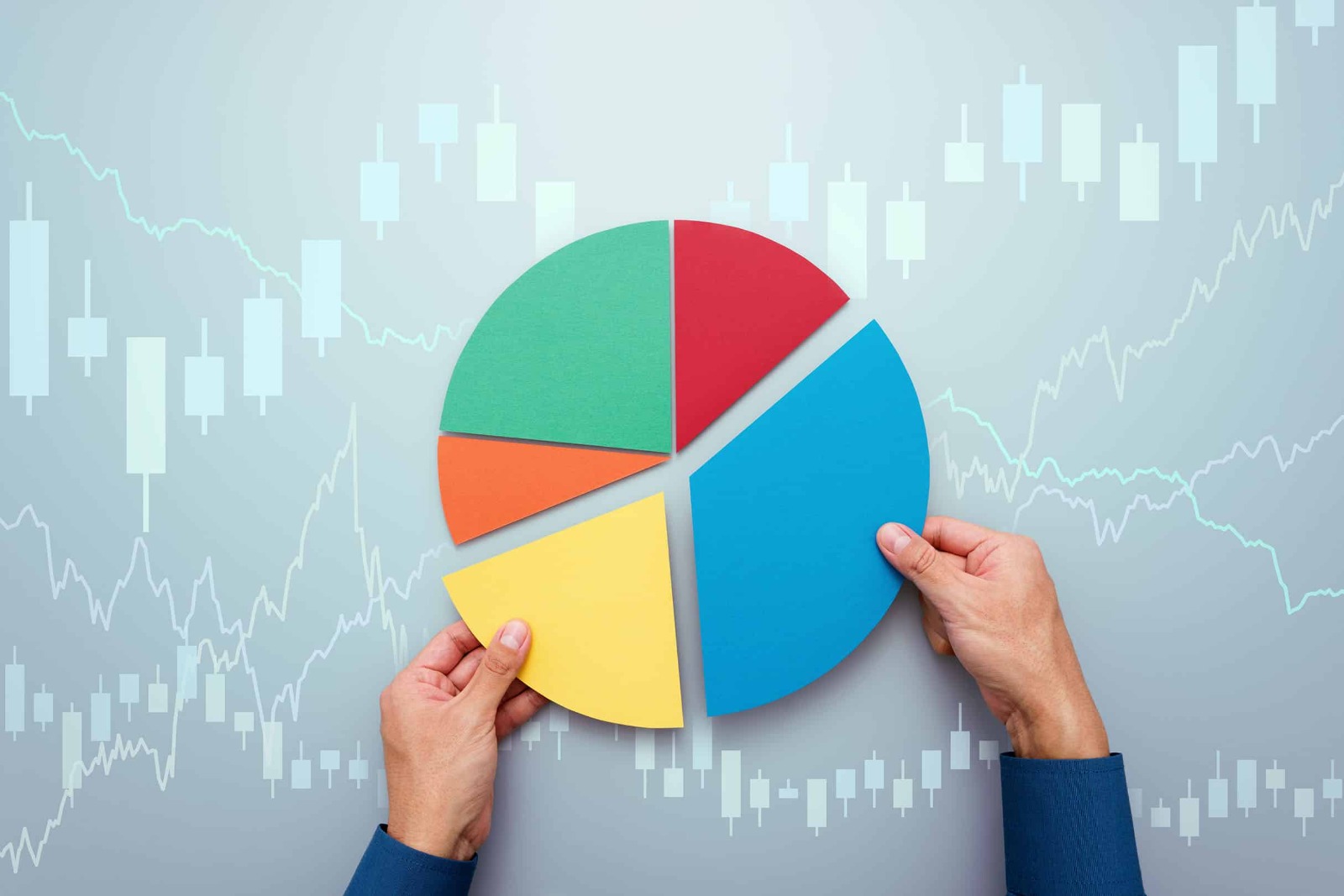
Market volatility often shifts portfolio allocations, making them heavy in small- and mid-cap stocks. Rebalancing through strategies like time-based adjustments or cash-flow redirection helps investors mitigate risk, maintain discipline, and ensure their investments remain aligned with long-term financial goals and risk tolerance levels in 2026.
MUMBAI — As the financial year progresses, many investors are finding their portfolios becoming increasingly "small- and mid-cap heavy" following recent market rallies. Financial experts emphasize that this asset drift can expose portfolios to unintended volatility, necessitating a structured approach to portfolio rebalancing to maintain alignment with long-term financial goals and risk tolerance.
Portfolio rebalancing is the disciplined process of realigning the proportions of different assets to match an investor's original target allocation. When high-growth sectors like small-cap and mid-cap equities outperform, they often occupy a larger share of the total portfolio than initially planned, shifting the investor's risk profile beyond their comfort zone.
The Strategic Importance of Rebalancing
According to market analysts, the primary goal of rebalancing is not to time market peaks or troughs but to restore risk discipline. When a specific asset class grows disproportionately, a portfolio becomes overly sensitive to sector-specific downturns.
"Rebalancing helps lock in gains from outperforming assets and redeploy them into undervalued areas, effectively following the 'buy low, sell high' mantra in a disciplined manner," states a recent report on portfolio management. By periodically resetting the asset mix, investors ensure that their exposure remains consistent with their investment horizon and objectives, such as retirement planning or capital protection for short-term goals.
Methods for Effective Portfolio Adjustment
Financial advisors recommend several proven strategies for Indian investors to manage their equity-heavy portfolios in 2026:
Time-Based Strategy: This approach involves reviewing holdings at fixed intervals—quarterly, semi-annually, or annually. It is widely regarded as the simplest method to maintain discipline without constant market monitoring.
Threshold-Based Strategy: Investors trigger a rebalance only when an asset class deviates from the target by a predefined percentage, such as 5% or 10%. This allows for flexibility and responsiveness to significant market movements.
Cash Flow Rebalancing: Instead of selling "winners" and triggering capital gains tax, investors can direct new systematic investment plan (SIP) inflows toward underweight asset classes like debt or large-cap funds. This is often the most tax-efficient method for those with regular investment capacity.
Asset Stabilisation: For those concerned about excessive risk, introducing balanced advantage funds or dynamic asset allocation funds can act as a shock absorber, providing growth potential while curbing overall portfolio volatility.
Managing Costs and Tax Implications
Investors are cautioned that rebalancing is not a cost-free exercise. Frequent trading can attract exit loads and capital gains taxes. Under current Indian tax regulations, selling equities held for more than 12 months attracts a 12.5% long-term capital gains (LTCG) tax on amounts exceeding ₹1.25 lakh, while short-term capital gains (STCG) on equity are taxed at 20%. Experts advise calculating these costs against the benefits of rebalancing to ensure the strategy remains accretive to long-term returns.
Quote Section
"Organizers stated that" disciplined investors often view market rallies as an opportunity to normalize their risk levels rather than as a signal to increase exposure. According to officials, a well-defined rebalancing policy acts as a safeguard against emotional decision-making, ensuring that an investor's portfolio remains resilient even during periods of increased market volatility.
Why It Matters
For individual investors, rebalancing prevents the "drift" that occurs when successful stocks or sectors swell in value. Left unchecked, a portfolio intended to be balanced can become aggressively risky. For long-term financial health, periodic rebalancing acts as a control mechanism, ensuring that an investor does not inadvertently bear more market risk than they can afford, especially as they approach critical financial milestones like retirement or major purchases.
Key Facts at a Glance
Rebalancing Goal: To realign current asset holdings with the investor's original target risk-return profile.
Common Triggers: Deviations beyond a 5% threshold or scheduled semi-annual/annual reviews.
Tax Efficiency: Directing new SIP inflows to underweight assets is a common strategy to avoid immediate tax liabilities.
Risk Mitigation: Rebalancing protects against over-concentration in volatile small- and mid-cap sectors.
FAQ
How often should I rebalance my portfolio?
Most experts recommend a review every 6 to 12 months, or whenever your asset allocation drifts significantly (e.g., by more than 5%) from your target.
Is it always necessary to sell my winning stocks?
Not necessarily. You can use cash flow rebalancing by directing fresh investments toward the underperforming asset classes to restore your target mix without selling current holdings.
What are the tax implications of rebalancing?
Selling equity assets triggers capital gains tax (LTCG or STCG). Always account for these costs, as a small drift may not justify the tax impact of a large sell-off.
Does rebalancing guarantee higher returns?
No. Rebalancing is a risk management tool. While it can improve risk-adjusted returns, its primary purpose is to keep your portfolio's risk level aligned with your financial goals.
Official Sources