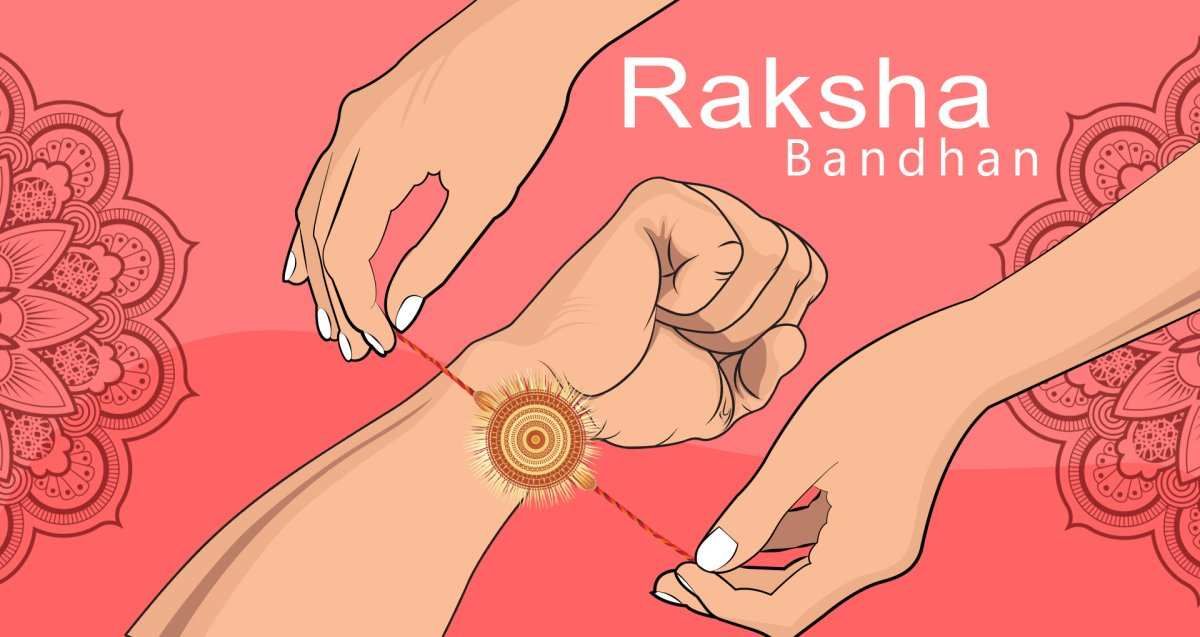
Raksha Bandhan 2026 will be celebrated on August 30. The festival, which honors the bond between siblings, falls on the Shravana Purnima. Families are encouraged to perform rituals outside of the inauspicious Bhadra Kaal period to ensure the traditional customs are observed at the most favorable time.
NEW DELHI — Raksha Bandhan, the annual celebration honoring the bond between siblings, has sparked inquiries regarding its precise timing for 2026. According to the traditional Hindu Panchang, the festival is observed on the Purnima (full moon) of the Shravana month. This year, the auspicious timing for the rituals is set for August 30, 2026, putting to rest speculation about a July observance.
The festival remains one of the most culturally significant occasions in the Indian calendar, symbolizing protection, duty, and affection. While digital discourse often creates confusion around lunar-based festival dates, religious scholars and meteorological bodies have confirmed the alignment of the full moon phase in late August, solidifying the schedule for families across India and the diaspora.
Understanding the Purnima Significance
The core of Raksha Bandhan lies in the observance of the Purnima Tithi. According to the Drik Panchang, the significance of the day is tied to the specific period when the full moon coincides with the auspicious hours for the Rakhi tying ceremony.
In 2026, the Purnima Tithi begins on August 29 and concludes on the evening of August 30. Experts advise that the most spiritually significant time for the ceremony is during the afternoon, avoiding the Bhadra Kaal—a period considered inauspicious for performing sacred rites.
Rituals and Cultural Observances
Raksha Bandhan rituals generally involve a sequence of traditional practices aimed at invoking prosperity and well-being. Siblings typically perform an aarti, apply a tilak on the forehead, and tie the protective Rakhi thread on the wrist.
This act is more than a social custom; it is rooted in deep historical and mythological narratives, ranging from the legend of Krishna and Draupadi to the historical accounts of queens sending threads to rulers seeking protection. Beyond the ceremony, the festival serves as a major driver for the retail sector, with markets experiencing heightened demand for confectionery, textiles, and jewelry in the days leading up to the date.
Economic and Social Impact
For consumers, the confirmed date of August 30 provides a clear timeline for travel planning and gift purchasing. Retail analysts note that Raksha Bandhan represents one of the year’s largest gifting windows, second only to Diwali in many regions.
Businesses, particularly in the e-commerce and logistics sectors, prepare for a surge in demand as families who are geographically separated utilize courier services to exchange Rakhis and gifts. This year, with the festival falling on a late-August Sunday, observers anticipate a notable increase in domestic travel as people return home to participate in family gatherings.
Why It Matters
Raksha Bandhan acts as a vital social anchor, reinforcing kinship bonds in an increasingly mobile society. By providing a dedicated occasion for familial connection, the festival contributes to the continuity of traditional values. For the national economy, the predictable timing of the festival allows for efficient inventory management in the consumer goods sector, ensuring that festive demand is met through a robust supply chain.
Key Facts at a Glance
Official Date: August 30, 2026.
Lunar Event: The festival coincides with the Shravana Purnima (full moon).
Ritual Timing: Observance of Bhadra Kaal is traditionally recommended to ensure rites are performed at the most auspicious times.
Cultural Scope: Celebrated across India and by the Indian diaspora globally to honor sibling relationships.
FAQ
Why is there confusion about the date of Raksha Bandhan?
Confusion often arises because the festival follows the lunar calendar, and the Purnima Tithi may span across two solar days, leading to differing interpretations regarding the most auspicious time for rituals.
Can Rakhi be tied on August 29?
If the Purnima Tithi begins on August 29, some families may choose to observe rituals depending on their local customs or specific Panchang interpretations, but August 30 is the primary date for 2026.
What is Bhadra Kaal, and why is it avoided?
Bhadra Kaal is considered a spiritually negative phase in Vedic astrology, during which performing important rituals like tying a Rakhi is generally discouraged to ensure the best possible outcome for the participants.
Source: Drik Panchang, Indian Express Festive Calendar, Ministry of Culture