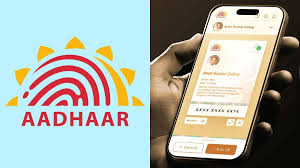
The Unique Identification Authority of India (UIDAI) has launched its new Aadhaar App, officially retiring the legacy mAadhaar platform on June 30, 2026. Fully aligned with the DPDP Act, the privacy-centric application introduces secure face authentication, one-click biometric locks, and encrypted offline QR code verification to prevent data misuse
NEW DELHI, INDIA — In a major structural shift for India’s public digital infrastructure, the Unique Identification Authority of India (UIDAI) has officially launched its entirely redesigned, next-generation mobile platform. Effective June 30, 2026, the older mAadhaar application is officially being retired, making the new Aadhaar App the primary gateway for smartphone-based identity services. The roll-out addresses long-standing privacy and data storage concerns, aligning the nation’s core biometric system with the principles of the Digital Personal Data Protection (DPDP) Act.
The transition marks a pivotal milestone for over 1.3 billion identity holders across India. Moving beyond a simple digital storage card, the new Aadhaar App acts as a secure, consent-based digital wallet designed to support offline validation, eliminating the historical necessity of sharing physical paper photocopies or revealing complete identification details during routine verification checks.
Enhanced Privacy Features and Selective Data Sharing
According to operational disclosures by UIDAI engineers, the foundational architecture of the new platform centers around data minimization. Unlike previous iterations that displayed entire demographic records on-screen, the application utilizes a "selective sharing" framework.
Residents can generate time-bound, encrypted verifiable credentials or specialized contact cards that contain only required fields, such as a name and verified mobile number, depending on the service provider's requirements. This completely removes the necessity of disclosing full records for routine administrative transactions.
Key Privacy and Security Infrastructure
Face Authentication: Users can complete routine secure logins and confirm their identity through integrated facial recognition systems, eliminating reliance on SMS-based One-Time Passwords (OTPs) that are frequently vulnerable to network delays or SIM-swapping fraud.
One-Click Biometric Controls: The application features an improved, instantaneous biometric lock and unlock utility, giving citizens direct control to lock down their biometric records against unauthorized authentication attempts.
Extended Logs Tracking: While previous software restricted users to tracking a handful of actions, the new platform generates a downloadable, password-protected PDF file outlining all verifications and authentications conducted over the last six months.
Direct In-App Profile Updates and Multi-User Management
Beyond advanced security, the new application significantly lowers the operational burden on standard domestic consumers and regional enrolment centers. Users can execute essential demographic updates, such as altering an address using valid proof of address documents or updating an Aadhaar-linked mobile number, directly through the interface.
Furthermore, the software introduces a "One Family – One App" mechanism. This system allows a single smartphone user to host and manage up to five distinct profiles under the same registered mobile number, making it substantially easier for family heads to handle identity compliance for minors or elderly dependents.
Impact on Citizens, Businesses, and Service Providers
The structural phase-out of the legacy infrastructure directly influences multiple everyday environments:
For Travelers and the Hospitality Industry
Hotels and guest houses can implement paperless check-ins using the application's built-in Offline Verification Seeking Entity (OVSE) framework. By scanning a guest's temporary, encrypted app-generated QR code, accommodations can legally verify a traveler’s name and photograph without creating or storing physical photocopies, ensuring compliance with local security laws while respecting consumer privacy.
For Gig Economy Platforms and Service Providers
Corporate platforms onboarding delivery agents, commercial drivers, or freelance field workers can utilize the app's face verification features to establish quick proof of presence. This completely mitigates identity fraud risks during remote hiring pipelines.
For Banking and KYC Compliance
The system supports full offline, paperless electronic Know-Your-Customer (e-KYC) data transfers. Financial entities can ingest cryptographically secure files directly from an active session, lowering the baseline operational expenditures traditionally tied to physical identity verification.
Official Sources Section
The final deployment and the corresponding retirement of the old platform were confirmed through public announcements shared across the official communication channels of the authority.
"According to officials, the older mAadhaar platform has formally reached its end-of-life status. The newly deployed application has already surpassed 31 million downloads during its preliminary phased rollout, indicating rapid adoption across both major smartphone operating systems."
UIDAI technical teams stated that the software is compatible with Android devices operating on version 9.0 or higher, as well as Apple devices running iOS 16 or later. To maintain strict data integrity, the app incorporates advanced platform-integrity checks to prevent installation on rooted or altered mobile operating systems.
Why It Matters
The rollout of this updated software structure directly addresses the rising global threat of identity theft and financial fraud. By enabling offline verification and masked data sharing without active internet requirements, the government equips citizens with a practical defense against malicious actors who harvest discarded paper identification copies. It bridges the gap between state-backed documentation and modern, privacy-first mobile security.
Key Facts at a Glance
Transition Date: The older mAadhaar platform is officially discontinued on June 30, 2026.
Profile Capacity: Supports up to five individual family profiles on a single device under the "One Family – One App" concept.
Core Technology: Introduces native Face Authentication and encrypted, offline QR-code verification.
Data Control: Fully aligned with the strict data minimization mandates of the DPDP Act.
Service Availability: Address updates and mobile number changes can now be requested directly inside the mobile software.
Frequently Asked Questions (FAQ)
Is the old mAadhaar app still usable after June 30, 2026?
No. UIDAI has officially retired the older mAadhaar platform. Users must download the newly redesigned version from the Google Play Store or Apple App Store to continue accessing mobile identity features.
Can I link a new mobile number through the app if I lose my old SIM card?
If you completely lose access to your registered mobile number and have no alternative verified device, you cannot complete the initial face authentication setup on the app. In such circumstances, you must visit an authorized local Seva Kendra to re-verify your biometric record.
Do businesses need special hardware to scan the app's secure QR codes?
No. Registered Offline Verification Seeking Entities (OVSE) or standard service managers can utilize any standard smartphone camera linked with the official verification software to scan, read, and accept the app's encrypted digital credentials.
Source: * Unique Identification Authority of India (UIDAI) Portal